3000+ Pumps & Parts
Pumps On Sale!
Fast Dispatch
Home and garden pumps are the quietest workhorses on any WA property. They push rainwater from a tank into your laundry. They lift bore water to the reticulation. They drain a flooded shed after a winter downpour. Most people never think about home and garden pumps until one dies on a 38-degree Saturday and the lawn starts browning by Tuesday. This guide is written to stop that happening. It covers what to buy, how to size it, and the specific reasons pumps fail faster in Perth and regional WA than almost anywhere else in the country.

A pump does two things: it moves a volume of water, and it pushes that water against resistance. Volume is measured in litres per minute. Resistance is measured in metres of head, which combines vertical lift with friction losses inside your pipes and fittings. Every pump has a curve that shows how these two trade off. Push water higher and you get less of it. This is the single concept that separates a good purchase from an expensive mistake, and it is the reason home and garden pumps sold on horsepower alone are almost always the wrong pump.
Australian households put home and garden pumps to work across four broad jobs. Boosting pressure for showers, taps and washing machines. Feeding sprinklers and drip irrigation. Drawing water up from a bore or well. Removing unwanted water from sumps, ponds and low spots. A single unit rarely does all four well. The manufacturers who dominate this category in Australia, including Grundfos, Davey, Onga, Ebara and Tsurumi, each build separate ranges for separate duties for exactly this reason.
The word "domestic" on a box is a marketing term, not an engineering spec. What matters is the duty point, the material the impeller is made from, the seal type, and whether the motor is rated for continuous running. Cheap home and garden pumps hit their advertised flow figure at zero head, a condition that exists nowhere in a real house.
This is the most common purchase in the home and garden pumps category. A pressure pump sits between your water source and your outlets and holds a steady pressure regardless of how many taps are open. Modern units like the Grundfos SCALA2 and the Davey Torrium2 range use variable speed or intelligent controllers to keep pressure flat instead of cycling on and off. That matters for two reasons: cycling wears out the motor, and it produces the pressure drop you feel when someone flushes the toilet mid-shower.
If you are running a rainwater tank to the house, a pressure tank paired with the pump reduces start-stop cycles dramatically. Many failures blamed on the pump are really a flat pressure vessel or a failed pressure switch.
Self-priming jet pumps such as the Grundfos JP series pull water from a source below the pump, generally to a suction depth of around 8 metres. As home and garden pumps go, they suit shallow wells, tanks sitting lower than the house, and transfer duties. They are simpler and cheaper than submersibles, and they are serviceable above ground, which is a genuine advantage on a rural block. Their limit is suction depth. Past roughly 8 metres, atmospheric physics stops cooperating and you need a different tool.
If your water sits deeper than 8 metres, you need a submersible bore pump. These sit in the water and push rather than pull, so depth stops being a barrier. Grundfos SQ and SP series units are the benchmark in Australia for domestic bores. For Perth households on garden bores, this is usually the one doing the heavy lifting through summer, and it is also the one most exposed to the water quality problems covered further down.
Not all home and garden pumps push water in. Winter in the south west means water where you do not want it. Sump pumps and drainage units handle flooded garages, pump-out pits and stormwater. Tsurumi builds the range most Australian trades reach for, including low-level residue units that clear water down to a few millimetres. For water features and ponds, the Davey Dynapond series is built for genuine 24/7 continuous duty, which most cheap pond pumps are not. And for chlorinated water, pool pumps are a separate category again, built with corrosion-resistant wet ends.
Sizing home and garden pumps comes down to two numbers. Work out flow first. A standard shower needs roughly 9 to 12 litres per minute. An outdoor tap runs about 20. A single reticulation station can pull 20 to 40 depending on head count. Add up what will run at the same time, not what exists on the property. Two showers plus a washing machine is a realistic peak for most homes and lands around 30 litres per minute.
Then work out head. Measure the vertical distance from the water surface to the highest outlet. Add friction loss, which for a typical domestic run of 25mm poly is around 2 to 4 metres. Add the pressure you actually want at the outlet, generally 20 to 30 metres for comfortable household pressure. A house with a 6 metre lift and a 25 metre pressure requirement needs a pump rated near 35 metres of head at 30 litres per minute, not a pump advertising 50 metres at zero flow.
Undersizing home and garden pumps gives you weak showers. Oversizing is worse, because a pump running far left of its curve runs hot, wastes power and eats seals. This is where a five-minute phone call beats an hour of guesswork. Pumptastic's team sizes home and garden pumps against real duty points every day, and the call costs nothing: (08) 6384 5884.
Perth sits on the Gnangara and Jandakot groundwater mounds, and that water carries dissolved iron. When it hits air, the iron oxidises into a rust-coloured sludge that coats impellers, blocks sprinkler nozzles and stains limestone. Add fine sand from an unscreened bore and you have an abrasive slurry running through a component with tolerances measured in fractions of a millimetre. This is why bore-fed home and garden pumps in Perth often fail in three to five years while the identical unit on scheme water in Melbourne runs for fifteen.
Three things extend the life of home and garden pumps on a WA bore. First, stainless steel or high-grade composite wet ends instead of cast iron, because cast iron and iron-rich groundwater is a losing combination. Second, correct bore screening and a settled installation depth so you are not drawing sand off the bottom. Third, a controller that shuts the pump down on dry run instead of letting it cook. A pump controller costs a fraction of a replacement motor and is the cheapest insurance you can buy for home and garden pumps.
The regulatory side matters too. Since 1 September 2022, domestic garden bores in Perth and Mandurah run on the same two-day-per-week sprinkler roster as scheme water users, with your days set by the last digit of your street number. Sprinklers cannot run between 9am and 6pm, and the winter sprinkler switch-off bans all sprinkler use from 1 June to 31 August. Breaches carry a $100 on-the-spot fine. Hand-held trigger hoses stay legal year-round. Always confirm your current roster with Water Corporation, because rules do change.
That compressed watering window changes which home and garden pumps you should buy. Two mornings a week means your pump has to deliver the full weekly volume in a handful of runs. A marginal pump that limped through a three-day roster will not cope. Correct sizing of home and garden pumps has become more important in WA, not less.
Outside the metro area the calculation shifts again. In the Wheatbelt, the Great Southern and the Mid West, a pump failure is not an inconvenience, it is a stock water problem or a firefighting problem. Freight times are longer and a local repairer may be two hours away. That changes the maths on buying quality: parts availability matters more than the sticker price.
Practical priorities for regional buyers of home and garden pumps. Choose brands with genuine Australian spare parts backing, which in practice means Grundfos, Davey, Onga, Ebara and Tsurumi rather than unbranded imports. Keep a spare pump capacitor on the shelf, because a $20 capacitor is the single most common failure point and it strands a property for a week if you have to wait on freight. Consider solar-assisted options where mains power is unreliable. And check voltage: long rural runs cause voltage drop that quietly destroys single-phase motors.
Coastal properties from Geraldton down through Bunbury and Albany face salt-laden air, which attacks the motor housings and fasteners on home and garden pumps. Stainless fittings and a covered installation position pay for themselves within a couple of seasons.
Pumptastic ships home and garden pumps Australia-wide from Perth with free freight on orders over $100, which puts regional WA on the same footing as the metro. Fast dispatch matters more than a $30 price difference when the water is off.
Big-box retailers sell on price because they cannot sell on advice. The staff member in the plumbing aisle is not going to ask about your friction loss or your bore's iron content. That is fine for a $99 transfer pump. It is a poor way to buy home and garden pumps your household depends on daily.
Three things are worth knowing before you spend money on home and garden pumps. Warranty periods vary widely by brand and by application, and running a garden-rated pump on continuous duty can void it. Spare parts availability is more important than the initial price, because a pump you cannot get a seal kit for is disposable. And electrical work on hard-wired installations must be done by a licensed electrician in WA, which is a cost to factor in up front.
Pumptastic holds over 3,000 pumps and parts, stocks the full Grundfos Home and Garden range, and answers the phone with people who install this gear. If you would rather talk it through than guess, contact the team or call (08) 6384 5884, Monday to Friday, 9am to 5pm AWST.
For a three-bedroom home running two outlets at once, most households land on a pump delivering 30 to 40 litres per minute at 30 to 35 metres of head. Reticulation with multiple stations pushes that higher. Measure your vertical lift and count your simultaneous outlets before shopping, or call and we will size it with you.
Often yes, but home and garden pumps used this way must be sized for the larger of the two duties, which is almost always the reticulation. Running one undersized unit for both is the most common cause of weak shower pressure in WA homes on tank or bore water.
The usual causes are a failed capacitor, dry running from a dropping water table, a blocked or sanded intake, or voltage drop on a long supply run. Capacitors are cheap and easy to replace. The rest need diagnosis before you buy a replacement pump you may not need.
On iron-rich groundwater, expect three to eight years depending on build quality, run hours and whether the bore is properly screened. Stainless wet ends and dry-run protection sit at the top of that range. Cast iron units on sandy bores sit at the bottom.
If your pump uses a conventional pressure switch, yes. The tank absorbs small demands and stops the motor cycling every time someone runs a tap. Variable-speed units like the SCALA2 have this handled internally, so an external tank is optional.
For a house pump running daily, generally yes. They hold constant pressure, run quieter, draw less power at partial load and reduce start-stop wear. For a shed transfer pump used twice a month, a fixed-speed unit is the sensible spend.
A jet pump sits above ground and pulls water up, with a practical limit near 8 metres of suction. A submersible sits in the water and pushes it up, so depth is not a constraint. Jet pumps are easier to service. Submersibles handle deep bores and run quieter.
Plumbing connections on a plug-in unit are within reach of a competent DIYer. Any hard-wired electrical work in WA must be carried out by a licensed electrician. Bore installations involving downhole work should go to a licensed driller.
Yes. Two watering days per week means the same weekly volume delivered in fewer, longer runs. That favours a pump comfortably rated at your peak flow rather than one operating at the edge of its curve.
Pumptastic dispatches fast from Perth with free shipping Australia-wide on orders over $100. Metro orders typically arrive within a couple of business days, with regional WA following shortly after. Full delivery details are here.
The wrong pump is not a small mistake. It is a brown lawn, a weak shower and a second purchase inside two years. The right one disappears into the background and does its job for a decade.
Pumptastic stocks home and garden pumps from the brands that actually get supported in Australia: Grundfos, Davey, Onga, Tsurumi and Ebara. Over 3,000 pumps and parts on the shelf. Free freight over $100. Real advice from people who know what Perth bore water does to an impeller.
Browse the Grundfos Home and Garden range, or call (08) 6384 5884 and we will size it for you in five minutes.
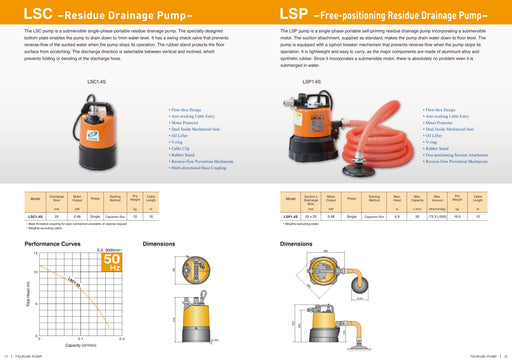
The Tsurumi LSC1.4S is a single-phase submersible portable residue drainage pump designed for ultra low-level water removal down to approximately 1...
View full detailsComplete maintenance kit for ASM D-Series diaphragm pumps, containing essential wear components to restore pump performance and reliability. Design...
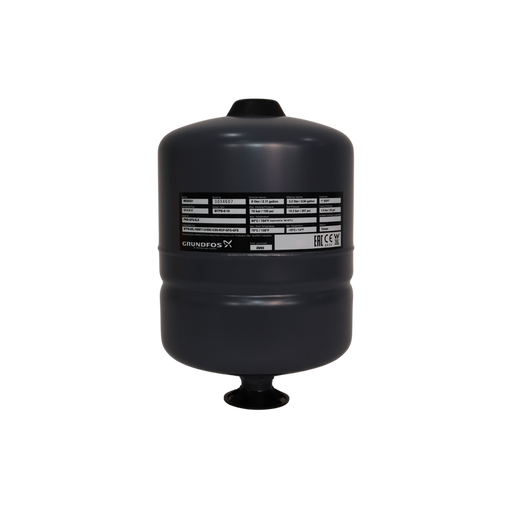
View full detailsThe Grundfos GT-H-18 PN10 G1 V is a compact steel pressure tank designed for drinking water applications. It features a non-toxic butyl rubber d...
View full detailsThe Davey Dynapond 8000 is a submersible centrifugal pond pump designed for continuous operation (24/7) in fountains, pond recirculation, wate...
View full detailsThe Tsurumi LSP1.4S is a single-phase portable self‑priming residue drainage pump incorporating a submersible motor, designed for fast removal of s...
View full details