3000+ Pumps & Parts
Pumps On Sale!
Fast Dispatch
Need a reliable centrifugal pump in Western Australia? This guide shows you how they work, the main types, and how to pick the right one for your home, farm, or worksite. A centrifugal pump moves water with a spinning impeller, and it is the most common pump used in Australia for water transfer, pressure boosting, and irrigation. At Pumptastic, we stock trusted brands and ship Australia-wide, with fast dispatch to Perth and regional WA. By the end of this page, you will know which pump fits your job and how to order it today.

A centrifugal pump is a machine that moves liquid by spinning an impeller inside a sealed casing. The motor turns the impeller. The impeller throws water outward, which builds speed and pressure. That pressure pushes the water out through the discharge outlet and along your pipes. The design is simple, so this type of pump is cheap to run, easy to service, and built to last. That is why you find one working in homes, on farms, in mines, and in town water supplies across Australia. If you want reliable flow at a fair price, a centrifugal pump is usually the first choice.
The job comes down to three parts: the impeller, the casing, and the shaft. Water enters through the middle of the impeller, called the eye. The spinning vanes fling the water to the outer edge and speed it up. The water then moves into the volute casing or diffuser, which slows the flow and turns that speed into pressure. Finally the water leaves through the discharge port. One thing to watch is dry running. Most centrifugal pumps need water inside the casing to prime and cool the seal. Run one dry and you can burn the mechanical seal in minutes. A self-priming model handles a bit of air, which suits tanks and shallow lift jobs.
Not every centrifugal pump suits every task, so match the design to the duty. A single-stage pump has one impeller and gives high flow at low to medium pressure, which is ideal for water transfer and filling tanks. A multistage pump stacks several impellers to build high pressure, which is what you want for pressure boosting and tall buildings. A self-priming pump clears air from the suction line, so it is handy for dams, tanks, and pools. An end suction pump is the classic close-coupled workhorse for irrigation and general supply. There are also submersible centrifugal pumps that sit under water for bore, drainage, and pond duty. Pick the flow and head first, then the type, and the choice gets easy.
WA puts pumps through hard, dry, and remote conditions, so the right unit matters. On Wheatbelt and Peel farms, a centrifugal pump handles stock water, spray filling, and paddock irrigation. In the Pilbara and on Goldfields mine sites, they run dewatering, water transfer, and washdown duty every day. Around Perth homes, a pressure pump lifts weak mains flow so showers and reticulation work well through summer. Pool owners use one to circulate and filter water, while bore users pair a surface centrifugal pump with a tank for garden supply. Because so much of WA sits far from the nearest branch, fast delivery and phone support are not extras. They keep your water moving when a pump quits.
Two numbers drive the whole decision: flow rate and head. Flow rate is how much water you need, measured in litres per minute. Head is how high and far you must push it, measured in metres. Add the vertical lift and the pipe friction to get total head, then match a pump curve that hits both numbers. Power comes next. Single-phase 240V suits most homes and small farms, while three-phase 415V suits bigger sites. Check the suction side too. NPSH, or net positive suction head, tells you if the pump will cavitate. Cavitation is when the water boils inside the pump and chews up the impeller, and it is a top cause of early failure. Material matters as well: cast iron is tough and cheap, while stainless steel resists rust and salt. Not sure on the maths? Send us your flow, height, and pipe run, and our team sizes it for you.
Brand choice affects parts, warranty, and how long the pump lasts. Davey is an Australian name built for local water and backed by easy spares. Grundfos leads on energy-efficient and quiet units, and we hold a dedicated Grundfos WA range for local buyers. Onga is a trusted value pick for pool and transfer duty. Ebara builds clean stainless single-stage pumps that farmers rate for irrigation. Tsurumi is the go-to for drainage and site work. For high pressure jobs, look at a vertical multistage pump. Every brand we carry is genuine stock with a manufacturer warranty, so you get real support, not a grey import.
Pumptastic is an Australian pump shop with more than 3000 pumps and parts ready to dispatch. You get expert advice by phone on (08) 6384 5884, genuine brands, and free shipping on orders over $100. We serve homes, farms, tradies, and industry, and we ship fast across Perth and regional WA. If a pump fails on site, we help you find the right replacement and get it moving the same or next business day where stock allows. Browse the full centrifugal pump range now, or contact our team and we will size the right pump for your job.
1. What is a centrifugal pump used for? A centrifugal pump is used to move water and thin liquids for water transfer, pressure boosting, irrigation, pool circulation, drainage, and dewatering. It suits homes, farms, mines, and industry because it gives strong, steady flow at a low cost.
2. How does a centrifugal pump work?
It works by spinning an impeller inside a casing. Water enters the middle of the impeller, gets thrown outward and sped up, then the casing turns that speed into pressure. The pressurised water exits through the discharge outlet.
3. What is the difference between a centrifugal pump and a submersible pump?
A surface centrifugal pump sits outside the water and draws it up through a suction pipe. A submersible pump sits under the water and pushes it up. Many submersible pumps also use a centrifugal design, so the real difference is where the pump sits.
4. Centrifugal pump vs positive displacement pump: which is better?
A centrifugal pump gives high flow for thin liquids like water at a low price. A positive displacement pump suits thick liquids or jobs that need exact dosing. For most water jobs in Australia, a centrifugal pump is the better and cheaper pick.
5. How do I choose the right size centrifugal pump?
Work out your flow rate in litres per minute and your total head in metres, which is the lift plus pipe friction. Then match a pump curve that meets both numbers. Send Pumptastic your details and we will size it for you.
6. What is the best centrifugal pump brand in Australia?
It depends on the job. Davey and Onga are strong local value picks, Grundfos leads on efficiency, Ebara is great for stainless irrigation pumps, and Tsurumi is best for drainage. All are genuine stock at Pumptastic with a warranty.
7. How much does a centrifugal pump cost in Australia?
Small home and transfer pumps often start a few hundred dollars, while larger three-phase and multistage units cost more. Price depends on brand, flow, head, and material. Check the live prices on our collection pages.
8. Can a centrifugal pump run dry?
No. Most centrifugal pumps must have water inside to prime and cool the seal, and running dry can wreck the mechanical seal fast. A self-priming pump copes with some air but still needs water in the casing to start.
9. Do you deliver centrifugal pumps to Perth and regional WA?
Yes. Pumptastic ships Australia-wide with fast dispatch, and we deliver across Perth and regional WA. Orders over $100 get free shipping, and you can call our team for urgent stock.
10. What is cavitation and how do I stop it?
Cavitation is when water boils inside the pump because the suction pressure is too low, and it damages the impeller. To stop it, keep the suction pipe short and wide, avoid a blocked inlet, and choose a pump with the right NPSH for your setup.
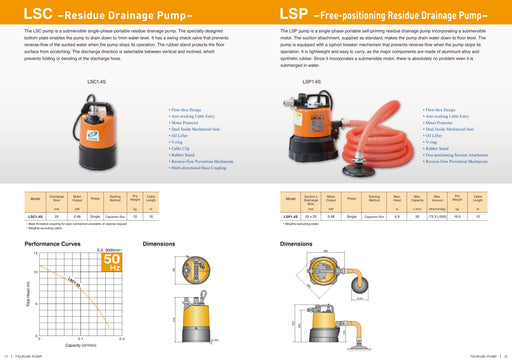
The Tsurumi LSC1.4S is a single-phase submersible portable residue drainage pump designed for ultra low-level water removal down to approximately 1...
View full detailsComplete maintenance kit for ASM D-Series diaphragm pumps, containing essential wear components to restore pump performance and reliability. Design...
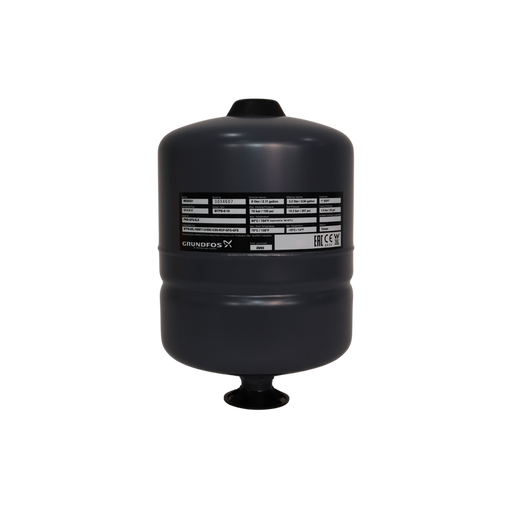
View full detailsThe Grundfos GT-H-18 PN10 G1 V is a compact steel pressure tank designed for drinking water applications. It features a non-toxic butyl rubber d...
View full detailsThe Davey Dynapond 8000 is a submersible centrifugal pond pump designed for continuous operation (24/7) in fountains, pond recirculation, wate...
View full detailsThe Tsurumi LSP1.4S is a single-phase portable self‑priming residue drainage pump incorporating a submersible motor, designed for fast removal of s...
View full details