3000+ Pumps & Parts
Pumps On Sale!
Fast Dispatch

Low water pressure is one of the most common complaints in Australian homes, particularly in Western Australia and regional areas where rainwater tanks, bore systems, and long plumbing runs are common. Weak showers, slow filling taps, and appliances struggling to operate properly are often signs that the existing pump is undersized or outdated.
Pressure pumps are designed to improve water flow and deliver consistent pressure throughout the home. This guide explains how pressure pumps work, how to choose the right one for Australian conditions, and what WA homeowners should consider before upgrading.
A pressure pump increases water pressure by automatically activating when a tap or appliance is used. It draws water from a tank, bore, or storage system and delivers it at a consistent pressure to the home.
In Australian properties, pressure pumps are commonly paired with rainwater tanks or bore water systems. In WA, pumps often operate outdoors in high temperatures, making correct selection critical for efficiency and longevity.
Many Australian homes do not rely solely on mains water pressure. Rainwater tanks, rural supply lines, and older plumbing systems often require assistance to deliver usable pressure.
In Western Australia, newer builds frequently include rainwater tanks, while regional homes may rely entirely on stored water. A pressure pump ensures comfortable water flow for showers, toilets, washing machines, and outdoor taps.
Fixed speed pumps operate at a constant speed. They are simple and affordable upfront but can be noisy and less energy efficient.
These pumps are common in older Australian installations but are gradually being replaced by more efficient options.
Variable speed pumps adjust their speed based on demand. They provide smoother pressure, lower noise, and reduced power consumption.
They are well suited to WA homes where water usage varies throughout the day and energy efficiency is a priority.
Some pressure pumps use external controllers instead of pressure tanks. These systems are compact and easy to install but must be correctly matched to avoid short cycling.
Flow rate determines how much water the pump can supply at once. Homes with multiple bathrooms, irrigation, or large families require higher flow capacity.
Undersized pumps struggle during peak use, while oversized pumps waste energy.
Australian plumbing systems require stable pressure to operate appliances correctly. Low pressure affects hot water systems, washing machines, and irrigation.
Correct sizing balances comfort, efficiency, and pump lifespan.
Pressure pumps are commonly used with:
Rainwater tanks
Bore water systems
Rural supply lines
Gravity fed tanks
In WA, water quality and distance from the source significantly affect pump performance. Sediment, iron, and long pipe runs must be considered before selecting a pump.
Most Australian homes use single phase power, which suits the majority of residential pressure pumps.
Variable speed pumps are particularly effective on single phase supply, offering efficiency without sacrificing performance.
In regional WA, solar assisted setups can reduce running costs for irrigation or outbuildings. These systems must be carefully designed to ensure reliability.
Pump placement affects performance and lifespan. In WA, pumps exposed to direct sun may overheat if not properly shaded or ventilated.
Correct pipe sizing, secure mounting, and minimal bends improve efficiency and reduce noise. Professional installation ensures the pump operates within manufacturer specifications.
Low or fluctuating water pressure
Pump short cycling
Excessive noise or vibration
High electricity usage
Frequent maintenance issues
Most problems stem from incorrect sizing, poor installation, or outdated pump technology.
A quality pressure pump can last many years when correctly sized and maintained. Heat, water quality, and run time impact lifespan more than brand alone.
Regular servicing and filter maintenance significantly extend pump life.
Australian homes face different water challenges compared to overseas markets. Pumptastic supplies pressure pumps designed for Australian homes and WA conditions, ensuring reliable performance and long term support.
Explore pressure pump solutions at Pumptastic
Every home is different. Expert advice ensures the pump matches your water source, household demand, and plumbing layout.
For tailored recommendations, visit Contact Us
Low pressure is often caused by incorrect pump sizing, blocked filters, or leaks in the system.
Yes. They provide smoother pressure, lower noise, and reduced electricity costs, especially in WA.
Yes, when correctly sized, pressure pumps can supply all household fixtures and appliances.
Yes. Pressure pumps are commonly paired with rainwater tanks in Australian homes.
At least once a year, or more often in dusty or regional environments.
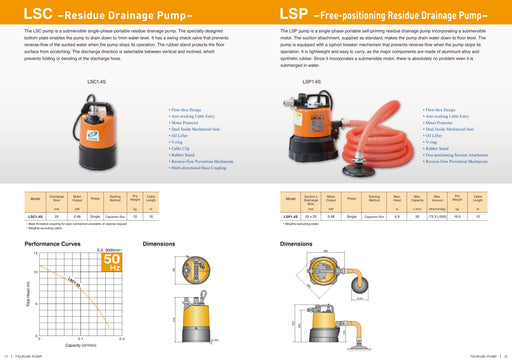
The Tsurumi LSC1.4S is a single-phase submersible portable residue drainage pump designed for ultra low-level water removal down to approximately 1...
View full detailsComplete maintenance kit for ASM D-Series diaphragm pumps, containing essential wear components to restore pump performance and reliability. Design...
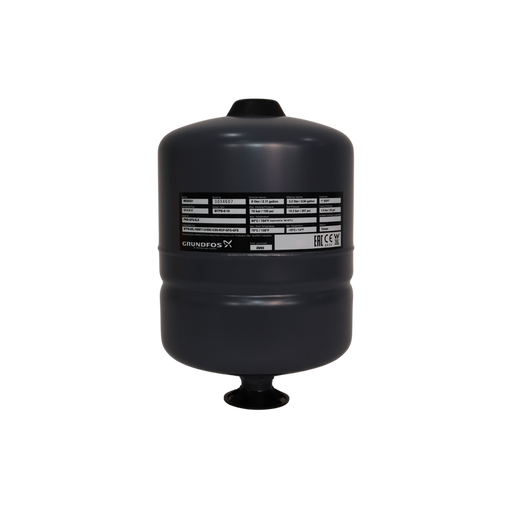
View full detailsThe Grundfos GT-H-18 PN10 G1 V is a compact steel pressure tank designed for drinking water applications. It features a non-toxic butyl rubber d...
View full detailsThe Davey Dynapond 8000 is a submersible centrifugal pond pump designed for continuous operation (24/7) in fountains, pond recirculation, wate...
View full detailsThe Tsurumi LSP1.4S is a single-phase portable self‑priming residue drainage pump incorporating a submersible motor, designed for fast removal of s...
View full details