3000+ Pumps & Parts
Pumps On Sale!
Fast Dispatch

Australian backyards and swimming pools go hand in hand, especially across Western Australia where warm weather extends the swimming season. The pool pump is the heart of the system. When it is undersized, oversized, or the wrong type, pool owners face cloudy water, noisy operation, and high electricity costs.
This guide explains how to choose the right pool pump size and type for Australian backyards, with specific considerations for WA heat, pool usage patterns, and regional conditions.
Australian pools run longer hours due to heat and frequent use. In WA, extended summers and high evaporation increase filtration demands. A poorly selected pump works harder than necessary, driving up energy bills and shortening lifespan.
Choosing the correct pump improves water clarity, reduces operating costs, and keeps the pool swim ready year round.
A pool pump circulates water through the filtration system, removing debris and maintaining chemical balance. The pump pulls water from the pool, pushes it through the filter, and returns clean water back into the pool.
In Australian homes, pumps often run outdoors in full sun, making efficiency and heat tolerance critical factors.
Single speed pumps run at one fixed speed. They are simple and affordable upfront but expensive to run long term.
Many older Australian pools still use single speed pumps, but they are becoming less common due to rising power costs.
Variable speed pumps adjust their speed based on demand. They use significantly less electricity and operate more quietly.
These pumps are ideal for WA homes where pools run for long hours and energy efficiency matters.
Some pool pumps integrate with solar systems, reducing grid electricity usage. In WA, high sun exposure makes solar assisted pool pumping an attractive option.
Pump size must match the pool volume. Oversized pumps waste energy and cause excessive water flow, while undersized pumps struggle to circulate water effectively.
Knowing the pool size in litres is essential before selecting a pump.
Australian pools typically require full water turnover within a set period each day. The pump must deliver enough flow to meet this requirement without running continuously at high speed.
Correct sizing balances filtration efficiency and energy use.
Most Australian homes use single phase power, which suits the majority of residential pool pumps. Larger properties or shared facilities may have three phase supply.
Variable speed pumps are particularly effective on single phase power, making them ideal for WA households looking to reduce running costs.
Noise complaints are common in suburban settings. Pool pumps placed close to fences or neighbours must operate quietly.
Variable speed pumps run at lower speeds for most of the day, significantly reducing noise. Proper mounting and ventilation also help minimize vibration.
In WA, pumps exposed to direct sun can overheat. Shade, airflow, and correct positioning improve longevity.
Using appropriate pipe sizing and minimizing sharp bends improves efficiency and reduces strain on the motor.
Professional installation ensures the pump operates within recommended limits.
High electricity bills
Noisy operation
Poor water circulation
Cloudy pool water
Frequent breakdowns
Most issues trace back to incorrect pump selection or outdated single speed systems.
A well selected pool pump can last many years. Heat, run time, and water chemistry impact lifespan more than brand alone.
Regular servicing and correct operation significantly extend pump life.
Australian pools operate under different conditions to overseas markets. Pumptastic supplies pool pumps suited to Australian backyards, with options designed for WA heat and usage patterns.
Explore reliable pool pump solutions at Pumptastic
Every pool is different. Expert advice ensures the pump matches pool size, plumbing layout, and usage needs.
For personalised recommendations, visit Contact Us
Pump size depends on pool volume, plumbing layout, and desired turnover time. Oversizing is a common mistake.
Yes. They significantly reduce power costs and noise, especially in WA where pumps run longer hours.
Most Australian pools run between six and ten hours per day, depending on season and pump type.
Yes. Many homeowners upgrade to reduce electricity costs and improve filtration control.
At least once a year, or sooner if performance drops or noise increases.
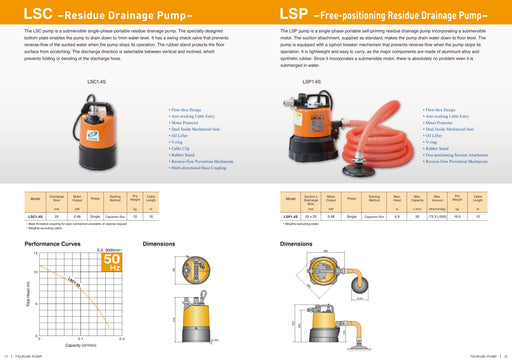
The Tsurumi LSC1.4S is a single-phase submersible portable residue drainage pump designed for ultra low-level water removal down to approximately 1...
View full detailsComplete maintenance kit for ASM D-Series diaphragm pumps, containing essential wear components to restore pump performance and reliability. Design...
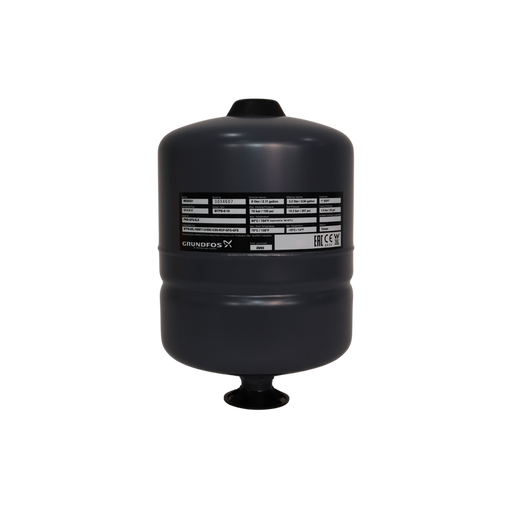
View full detailsThe Grundfos GT-H-18 PN10 G1 V is a compact steel pressure tank designed for drinking water applications. It features a non-toxic butyl rubber d...
View full detailsThe Davey Dynapond 8000 is a submersible centrifugal pond pump designed for continuous operation (24/7) in fountains, pond recirculation, wate...
View full detailsThe Tsurumi LSP1.4S is a single-phase portable self‑priming residue drainage pump incorporating a submersible motor, designed for fast removal of s...
View full details