3000+ Pumps & Parts
Pumps On Sale!
Fast Dispatch

Energy costs across Australia continue to rise, and households are paying closer attention to how much electricity everyday systems consume. Water pumps are one of the most overlooked contributors to high power bills, especially in homes using rainwater tanks, bore systems, pressure pumps, or pool pumps.
In Western Australia and regional areas, pumps often run longer hours due to climate, water usage patterns, and distance from supply points. Choosing an energy efficient water pump in 2026 is no longer about convenience. It is about long term savings, reliability, and sustainability.
This guide explains how energy efficient water pumps work, what Australian households should look for, and how WA conditions affect pump efficiency.
Australian households face higher electricity prices and longer pump run times compared to many other regions. In WA, hot weather increases water demand while pumps operate outdoors in harsh conditions.
Older pumps run at full power even when demand is low, wasting energy and increasing wear. Energy efficient pumps adjust internal operation to match real time demand, reducing unnecessary power usage and extending equipment life.
Energy efficient pumps use advanced motor technology and intelligent controls to reduce power consumption. Instead of running at one constant speed, they adjust output based on flow and pressure needs.
This results in smoother operation, quieter performance, and significantly lower electricity usage. These benefits are especially noticeable in Australian homes with variable daily water demand.
Variable speed pumps adjust motor speed to match water demand. They are the most energy efficient option for Australian households and are widely used for pressure systems, pool pumps, and some rainwater applications.
In WA, variable speed pumps perform well during long operating hours and high temperature conditions.
Some modern single phase pumps use improved motor designs to deliver better efficiency than older models. They offer a balance between upfront cost and energy savings.
These pumps suit smaller households or applications with consistent demand.
Solar assisted pumps reduce reliance on grid electricity by using solar power during daylight hours. In regional WA, where sunlight is abundant, solar assisted systems can significantly cut operating costs.
These systems must be correctly sized to ensure reliability year round.
Different water sources place different demands on pumps. Rainwater tanks require steady pressure, bore systems require lift capacity, and pool systems require continuous circulation.
Choosing a pump designed for the specific water source improves efficiency and performance.
Oversized pumps waste energy. Undersized pumps run longer and harder than necessary. Correct sizing is one of the most important factors in achieving energy efficiency.
Professional assessment helps avoid costly mistakes.
Western Australia presents unique challenges for water pumps. High ambient temperatures, outdoor installations, and long pipe runs increase energy demand.
Energy efficient pumps designed for Australian conditions handle heat better and operate more efficiently during peak usage periods. Regional properties benefit the most due to higher daily run times.
Most Australian households use single phase power. Modern energy efficient pumps are designed to perform well on single phase supply without compromising output.
Solar integration works best for irrigation, tank supply, and auxiliary water systems. When combined with energy efficient pumps, solar power reduces operating costs and improves sustainability.
Even the most efficient pump performs poorly if installed incorrectly. Pipe size, pump placement, ventilation, and controller settings all affect efficiency.
In WA, pumps exposed to direct sun should be shaded and well ventilated to prevent overheating and power loss.
Installing oversized pumps
Ignoring system leaks
Using outdated single speed pumps
Poor installation layout
Lack of regular maintenance
Avoiding these mistakes maximises energy savings and pump lifespan.
Energy efficient pumps often last longer than older designs because they operate under less stress. Reduced run speeds, smoother starts, and better thermal management all contribute to longer service life.
Regular servicing further extends lifespan, especially in WA and regional environments.
Energy efficiency depends on correct pump selection, not just marketing claims. Pumptastic supplies energy efficient water pumps suited to Australian homes and regional conditions, with options designed for long term reliability.
Explore energy efficient water pump solutions at Pumptastic
https://pumptastic.com.au/
Every household has different water usage patterns. Expert advice ensures the pump delivers real energy savings rather than just theoretical efficiency.
For personalised recommendations, visit Contact Us
Yes. Lower electricity bills and longer lifespan often offset the initial cost within a few years.
Variable speed pumps offer the highest efficiency for most household applications.
Yes. Many energy efficient pumps are specifically designed for tank and pressure systems.
Yes, when properly sized and installed, they perform reliably in Western Australian conditions.
Savings vary, but many households see significant reductions in pump related power usage.
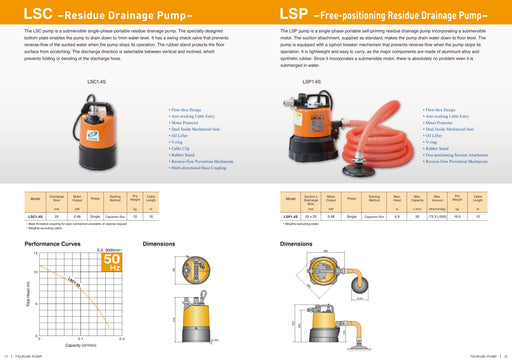
The Tsurumi LSC1.4S is a single-phase submersible portable residue drainage pump designed for ultra low-level water removal down to approximately 1...
View full detailsComplete maintenance kit for ASM D-Series diaphragm pumps, containing essential wear components to restore pump performance and reliability. Design...
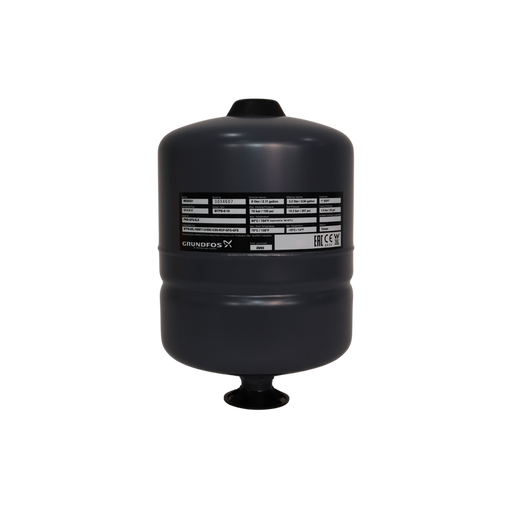
View full detailsThe Grundfos GT-H-18 PN10 G1 V is a compact steel pressure tank designed for drinking water applications. It features a non-toxic butyl rubber d...
View full detailsThe Davey Dynapond 8000 is a submersible centrifugal pond pump designed for continuous operation (24/7) in fountains, pond recirculation, wate...
View full detailsThe Tsurumi LSP1.4S is a single-phase portable self‑priming residue drainage pump incorporating a submersible motor, designed for fast removal of s...
View full details