3000+ Pumps & Parts
Pumps On Sale!
Fast Dispatch

Rainwater tanks are widely used across Australia, particularly in Western Australia and regional areas where water efficiency matters. While the tank stores water, the pump is what makes that water usable for homes, gardens, and small properties.
Choosing the wrong rainwater tank pump leads to poor pressure, noisy operation, frequent breakdowns, and higher power costs. This guide explains how rainwater tank pumps work, how to choose the right one for Australian conditions, and what WA homeowners should consider before buying.
A rainwater tank pump draws stored water from a tank and supplies it to household plumbing, irrigation systems, or outdoor taps. The pump activates when water is needed and shuts off when demand stops.
In Australia, rainwater pumps are commonly used for toilets, laundry, gardens, and sometimes whole of house supply. In WA, pumps often operate outdoors in hot conditions, making correct selection critical for long term reliability.
Western Australia experiences long dry periods and water restrictions, making rainwater harvesting an important part of household water management.
Many WA homes use rainwater tanks to supplement mains water, while regional properties often rely on tanks as a primary source. A properly matched pump ensures consistent pressure regardless of tank size or distance to the house.
Pressure pumps provide consistent water pressure for household use. They are suitable for toilets, washing machines, showers, and outdoor taps.
These pumps are the most common choice for Australian homes using rainwater indoors.
Submersible pumps sit inside the tank and operate quietly. They are popular in suburban areas where noise reduction is important.
They are protected from heat and weather, making them well suited to WA conditions.
External pumps are installed beside the tank and are easier to access for maintenance. They are common on regional properties where space and access are less restricted.
Flow rate determines how much water the pump can deliver at one time. Homes using rainwater for multiple fixtures need higher flow capacity to avoid pressure drops.
Australian plumbing systems require sufficient pressure to operate appliances correctly. Low pressure is one of the most common complaints when tank pumps are undersized.
Correct sizing balances comfort, efficiency, and pump lifespan.
Rainwater is generally cleaner than bore or dam water, but it can still contain debris, roof sediment, and organic matter.
In WA, dust and seasonal debris increase contamination risk. Installing basic filtration protects pumps and improves water quality for household use.
Most Australian homes use single phase power, which suits the majority of tank pumps on the market.
Solar pumps are an option for sheds, irrigation, or remote tank setups. They are less common for full household supply but useful for regional properties with limited power access.
Pump location, pipe sizing, and ventilation affect performance. Pumps exposed to direct sun in WA can overheat if poorly positioned.
Using correct pipe diameters and avoiding sharp bends improves efficiency and reduces noise.
Professional installation reduces long term issues and improves reliability.
Low water pressure
Pump short cycling
Air leaks in suction lines
Blocked filters
Noise and vibration
Most problems are caused by incorrect sizing, poor installation, or lack of maintenance.
With correct sizing and maintenance, a quality rainwater tank pump can last many years. WA heat, outdoor exposure, and usage frequency affect lifespan more than brand alone.
Regular filter cleaning and inspections extend pump life significantly.
Australian water systems are not one size fits all. Pumptastic supplies rainwater tank pumps designed for Australian homes and regional properties, with solutions suited to WA conditions.
Explore reliable rainwater tank pump options at Pumptastic
Every property is different. Expert advice ensures the pump matches your tank size, usage needs, and plumbing system.
For personalised recommendations, visit Contact Us
It depends on how many fixtures use rainwater and whether it supplies indoor plumbing, gardens, or both.
Submersible pumps are quieter and protected from heat, while external pumps are easier to access for maintenance.
Yes, as long as there is water in the tank. Pump performance is not affected by rainfall frequency.
Yes. Basic filtration protects the pump and improves water quality for household use.
At least once a year, or more often in dusty or regional WA environments.
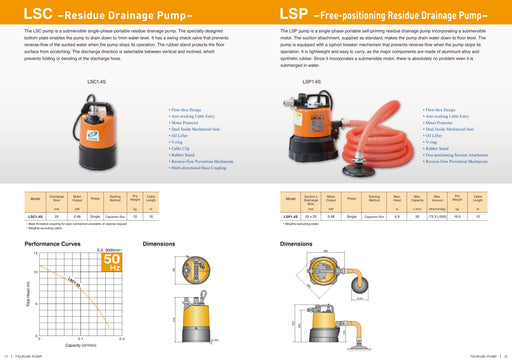
The Tsurumi LSC1.4S is a single-phase submersible portable residue drainage pump designed for ultra low-level water removal down to approximately 1...
View full detailsComplete maintenance kit for ASM D-Series diaphragm pumps, containing essential wear components to restore pump performance and reliability. Design...
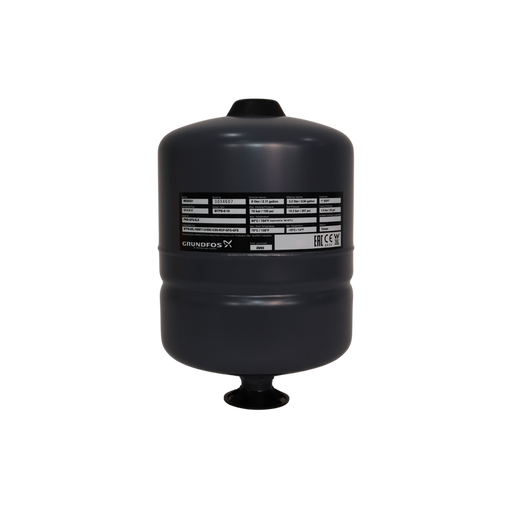
View full detailsThe Grundfos GT-H-18 PN10 G1 V is a compact steel pressure tank designed for drinking water applications. It features a non-toxic butyl rubber d...
View full detailsThe Davey Dynapond 8000 is a submersible centrifugal pond pump designed for continuous operation (24/7) in fountains, pond recirculation, wate...
View full detailsThe Tsurumi LSP1.4S is a single-phase portable self‑priming residue drainage pump incorporating a submersible motor, designed for fast removal of s...
View full details