3000+ Pumps & Parts
Pumps On Sale!
Fast Dispatch

Choosing the right water pump in Australia is not as simple as picking the cheapest option or the biggest brand. Australian homes and small farms face unique conditions including heat, mineral heavy water, long pipe runs, and variable water sources. In Western Australia and regional areas, a poorly chosen pump results in low pressure, frequent breakdowns, and unnecessary power costs.
This guide explains how to choose the right water pump based on real Australian conditions so homeowners and small property owners can invest once and get reliable performance.
Australian properties often rely on bore water, rainwater tanks, dams, or mixed systems. Each source places different demands on a pump.
In WA, long dry periods and sandy soil can introduce sediment into water supplies, while regional areas may require pumps to operate over longer distances. Selecting a pump without understanding these factors leads to premature failure.
Pressure pumps are commonly used for household water supply from tanks or bores. They provide consistent water pressure for showers, appliances, and outdoor taps.
These pumps are ideal for suburban and regional homes where reliable pressure is essential.
Bore pumps are designed to lift groundwater from below the surface. In Western Australia, bore depth and water quality vary significantly, making correct sizing critical.
Submersible bore pumps are the most common choice for deeper bores and higher demand properties.
Transfer pumps move water between tanks, dams, or irrigation systems. Small farms often use them for stock watering or garden irrigation.
They are not suitable for household pressure unless paired with a pressure system.
Knowing where your water comes from is the first step.
Rainwater tanks require pumps designed for clean water and steady pressure. Bore water systems must account for depth, minerals, and sediment. Dam or creek water may contain debris that requires filtration.
In WA and regional Australia, many properties use more than one water source, increasing system complexity.
An average Australian household requires enough flow and pressure for multiple taps, showers, and appliances operating at the same time.
Undersized pumps struggle during peak use, while oversized pumps waste energy and increase wear.
Small farms may need water for livestock, irrigation, and sheds. These demands often exceed household use and require pumps capable of higher flow rates.
Planning for future expansion prevents costly upgrades later.

Pump performance is measured by pressure and flow rate. Both must match your property requirements.
Low pressure results in weak showers and inefficient irrigation. Insufficient flow causes pressure drops when multiple outlets are used.
Australian plumbing systems require pumps capable of handling real world usage, not just ideal conditions.
Most Australian homes use single phase power. Larger properties and small farms may have access to three phase power, allowing for higher output pumps.
Choosing the wrong power type limits performance or requires expensive electrical upgrades.
Solar pumps are increasingly popular in WA due to high sun exposure. They are ideal for remote properties and reduce long term operating costs.
Solar systems must be correctly sized to ensure reliability year round.
Australian water sources often contain iron, sand, and minerals. Bore water in WA may also be saline in coastal areas.
Using filtration protects pump components and extends lifespan. Ignoring water quality is one of the most common causes of pump failure.
Incorrect installation causes vibration, overheating, and early breakdowns. Pipe size, pump location, and ventilation all impact performance.
Professional advice ensures the pump operates within its design limits, especially for regional and rural properties.
Buying based on price instead of requirements
Ignoring water source and quality
Choosing the wrong pump size
Not planning for future water use
Skipping expert advice
These mistakes lead to higher long term costs and system frustration.
A quality water pump, correctly sized and maintained, can last many years. Australian heat, water quality, and usage patterns affect lifespan more than brand name.
Routine servicing and proper operation significantly extend pump life.
Australian conditions demand local knowledge. Pumptastic supplies water pumps suited to Australian homes and small farms, with solutions designed for WA and regional environments.
Explore reliable pump solutions for your property at Pumptastic
Every property is different. Getting the right advice before purchasing prevents costly mistakes and ensures long term performance.
For tailored recommendations and support, visit Contact us
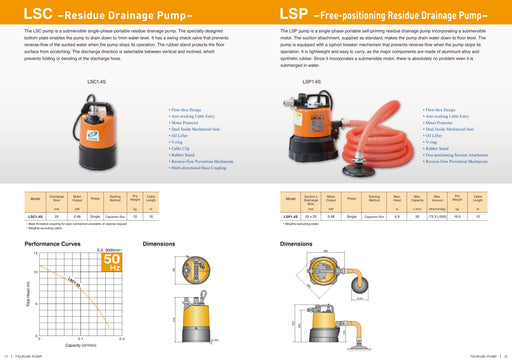
The Tsurumi LSC1.4S is a single-phase submersible portable residue drainage pump designed for ultra low-level water removal down to approximately 1...
View full detailsComplete maintenance kit for ASM D-Series diaphragm pumps, containing essential wear components to restore pump performance and reliability. Design...
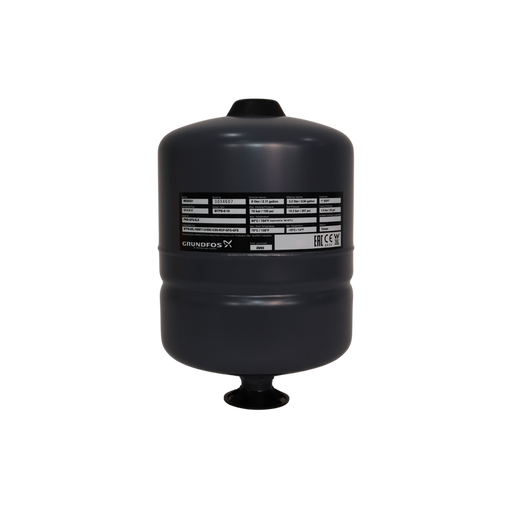
View full detailsThe Grundfos GT-H-18 PN10 G1 V is a compact steel pressure tank designed for drinking water applications. It features a non-toxic butyl rubber d...
View full detailsThe Davey Dynapond 8000 is a submersible centrifugal pond pump designed for continuous operation (24/7) in fountains, pond recirculation, wate...
View full detailsThe Tsurumi LSP1.4S is a single-phase portable self‑priming residue drainage pump incorporating a submersible motor, designed for fast removal of s...
View full details