3000+ Pumps & Parts
Pumps On Sale!
Fast Dispatch

Across Western Australia, bore water is a critical water source for households, rural properties, lifestyle blocks, and small farms. With long dry periods, sandy soils, and mineral heavy groundwater, choosing the right bore water pump is not optional. A poor decision leads to low pressure, pump failure, or constant repairs.
This guide explains how bore water pumps work in WA, what to look for before buying, and how to avoid the most common mistakes made by homeowners in regional and rural areas.
A bore water pump is designed to draw groundwater from below the surface and deliver it to your home, tank, or irrigation system. In Western Australia, bore depths vary significantly depending on location, from shallow coastal bores to deep inland systems.
The pump must overcome vertical lift, water pressure requirements, and resistance caused by pipe length. WA conditions make pump selection more critical because groundwater quality and heat place extra stress on equipment.
Submersible pumps sit below the water level inside the bore. They are the most common choice for WA properties because they handle deeper bores efficiently and are protected from surface heat.
These pumps are ideal for households, farms, and irrigation systems where consistent flow and pressure are required.
Surface pumps are installed above ground and draw water from shallower bores. In Western Australia, they are only suitable where water levels are consistently high.
They are easier to access for maintenance but struggle with deeper or fluctuating water tables.
Solar bore pumps are popular across remote and off grid areas of WA. They use solar panels to power the pump directly, reducing running costs and eliminating reliance on mains power.
They are best suited to livestock watering, tanks, and properties where consistent sunlight is available year round.
Bore depth is one of the most important factors when choosing a pump. Many buyers focus on brand names instead of technical requirements.
In WA, bore depths can range from under 10 metres to well over 60 metres. The deeper the bore, the more head pressure the pump must generate. Choosing a pump without accounting for depth results in weak flow or premature failure.

Western Australian bore water often contains iron, sand, minerals, and salinity. Coastal areas may experience salt intrusion, while inland regions can have abrasive sediments.
Poor water quality accelerates wear on impellers, seals, and motors. Selecting the wrong pump materials or skipping filtration shortens lifespan and increases maintenance costs.
Households typically require steady flow for showers, toilets, and appliances. Rural properties may need higher flow rates for irrigation or livestock.
Oversizing wastes energy. Undersizing leads to pressure loss and frustration.
Low pressure is a common complaint in WA homes using bore water. The pump must be matched to the pressure demands of the plumbing system, including tank setups and irrigation lines.
Most residential properties in WA use single phase power. Larger rural installations may require three phase systems for higher output and efficiency.
Choosing the wrong power type leads to expensive upgrades later.
Solar bore pumps are increasingly cost effective in WA due to high sun exposure. They reduce long term operating costs and are ideal for remote or regional properties.
WA properties often require consideration of bore casing size, pipe materials, and local groundwater conditions. Improper installation causes vibration, overheating, and early failure.
Incorrect installation is one of the leading causes of pump damage. While DIY may seem cheaper, mistakes often cost more to fix than professional installation.
Buying based on price instead of specifications
Ignoring bore depth and water quality
Choosing incorrect pump size
Not planning for future water demand
Skipping professional advice
Each of these mistakes leads to performance issues or costly replacements.
With proper sizing, filtration, and maintenance, a quality bore pump can last many years. In WA, heat, usage frequency, and water quality play a major role in lifespan.
Regular servicing and correct operation significantly extend pump life.
If a pump is frequently losing pressure, overheating, or requiring repeated repairs, replacement may be more cost effective. Older pumps often lack efficiency compared to modern systems.
Professional assessment helps determine the best option.
Local knowledge matters when dealing with WA bore water conditions. Pumptastic understands Western Australian water systems and supplies pumps suited to regional and rural environments.
Buying from a specialist ensures correct sizing, reliable performance, and ongoing support.
Visit Pumptastic to explore bore water pump solutions designed for Australian conditions.
Every bore is different. Getting expert advice before purchasing saves time, money, and frustration.
For tailored recommendations and support, reach out through
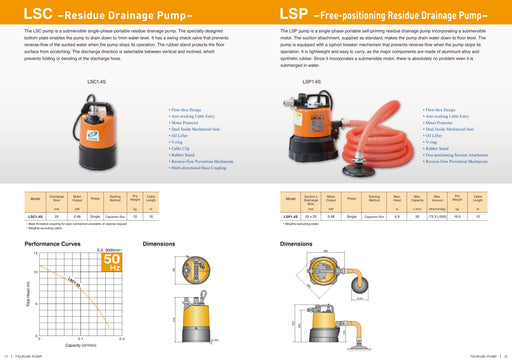
The Tsurumi LSC1.4S is a single-phase submersible portable residue drainage pump designed for ultra low-level water removal down to approximately 1...
View full detailsComplete maintenance kit for ASM D-Series diaphragm pumps, containing essential wear components to restore pump performance and reliability. Design...
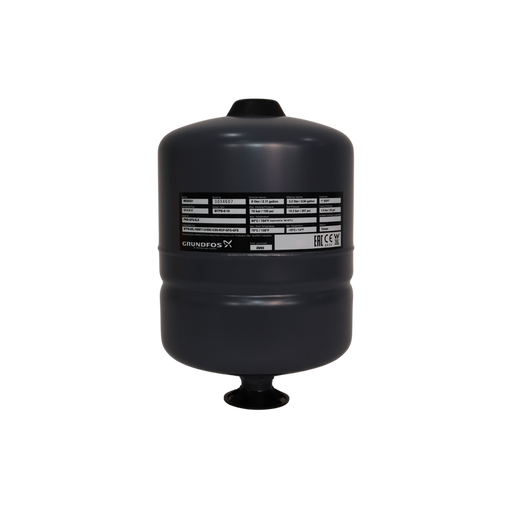
View full detailsThe Grundfos GT-H-18 PN10 G1 V is a compact steel pressure tank designed for drinking water applications. It features a non-toxic butyl rubber d...
View full detailsThe Davey Dynapond 8000 is a submersible centrifugal pond pump designed for continuous operation (24/7) in fountains, pond recirculation, wate...
View full detailsThe Tsurumi LSP1.4S is a single-phase portable self‑priming residue drainage pump incorporating a submersible motor, designed for fast removal of s...
View full details