3000+ Pumps & Parts
Pumps On Sale!
Fast Dispatch

Water pumps in Australia operate under tougher conditions than many other regions. Heat, dust, mineral heavy water, long pipe runs, and irregular usage all place stress on pump systems. In Western Australia and regional areas, these challenges are even more pronounced.
When water pressure drops, pumps cycle constantly, or systems fail altogether, the issue is rarely random. Understanding the most common water pump problems in Australian conditions helps homeowners and small property owners fix issues early and avoid costly replacements.
Australian water systems face unique environmental stress. Extended dry periods increase sediment levels. Heat accelerates wear on motors and seals. Bore water often contains iron, sand, or salinity.
In WA and regional areas, pumps also tend to run longer distances and higher loads, increasing failure risk when systems are not properly matched or maintained.
Low water pressure is one of the most common complaints among Australian households using pumps.
Incorrect pump sizing
Blocked filters or pipework
Air leaks in suction lines
Worn pump components
Poor installation layout
Check and clean filters regularly
Inspect pipes and fittings for leaks
Confirm the pump matches household or farm demand
Seek professional advice if pressure remains inconsistent
Low pressure is often a sizing or setup issue rather than a pump fault.
Short cycling causes premature wear and higher power consumption.
Pressure tank is waterlogged
Incorrect pressure switch settings
Leaks in the system
Pump oversized for demand
Check pressure tank air charge
Inspect for leaks in plumbing
Ensure the pump capacity matches actual usage
Replace faulty pressure switches when needed
Ignoring short cycling significantly shortens pump lifespan.
Unusual noise or vibration indicates mechanical or installation problems.
Pump not mounted securely
Air trapped in the system
Worn bearings or impellers
Pipe resonance in rigid installations
Secure the pump on a stable base
Bleed air from the system
Use flexible pipe connections
Service or replace worn components
In WA heat, vibration issues worsen faster if left unresolved.
A pump that loses prime or fails to start can stop water supply completely.
Air leaks in suction lines
Low water levels in tanks or bores
Faulty foot valves
Cracked fittings
Refill and reprime the system
Inspect suction lines for leaks
Replace damaged valves or fittings
Check water source levels during dry periods
This issue is common in regional Australia during peak summer usage.
Bore water pumps face additional challenges due to depth and water quality.
Abrasive particles wear impellers and seals, reducing efficiency and lifespan.
Incorrect pump sizing causes motors to work beyond capacity.
Install appropriate filtration
Ensure pump depth and head calculations are accurate
Schedule regular inspections for bore systems
Ignoring water quality is one of the fastest ways to destroy a bore pump.
Many WA homes rely on single phase power, limiting pump size and performance.
Solar pumps are reliable when properly sized but fail when undersized or poorly installed.
Confirm electrical supply matches pump requirements
Avoid overloading circuits
Ensure solar systems are correctly designed for year round use
Prevention reduces downtime and repair costs.
Regular filter cleaning
Annual servicing
Correct pump sizing
Proper installation
Monitoring water quality changes
Small maintenance tasks prevent major failures.
Frequent repairs, declining performance, or outdated systems often indicate replacement is more economical. Newer pumps are more energy efficient and better suited to modern Australian water demands.
Professional assessment helps determine the best option.
Australian water conditions vary significantly by region. Pumptastic understands WA and regional challenges and supplies pump solutions designed for Australian environments.
Learn more about reliable water pump solutions at Pumptastic
If your pump continues to struggle despite basic troubleshooting, expert advice prevents costly mistakes.
For tailored support, visit Contact us
Higher water demand, heat expansion, and lower water levels increase system strain, especially in WA.
Warning signs include noise, pressure loss, frequent cycling, and higher power usage.
Yes. Iron and sediment cause abrasion and clogging if filtration is not installed.
Yes. Longer pipe runs, higher usage, and water quality issues increase failure rates.
At least once a year, or more often for bore and farm systems.
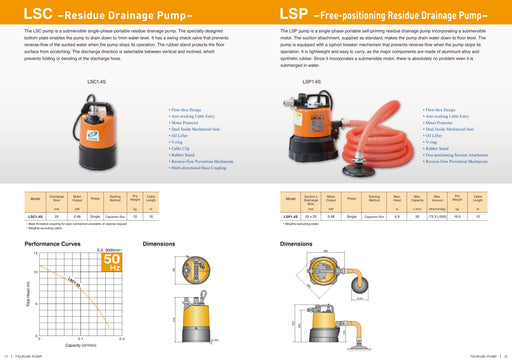
The Tsurumi LSC1.4S is a single-phase submersible portable residue drainage pump designed for ultra low-level water removal down to approximately 1...
View full detailsComplete maintenance kit for ASM D-Series diaphragm pumps, containing essential wear components to restore pump performance and reliability. Design...
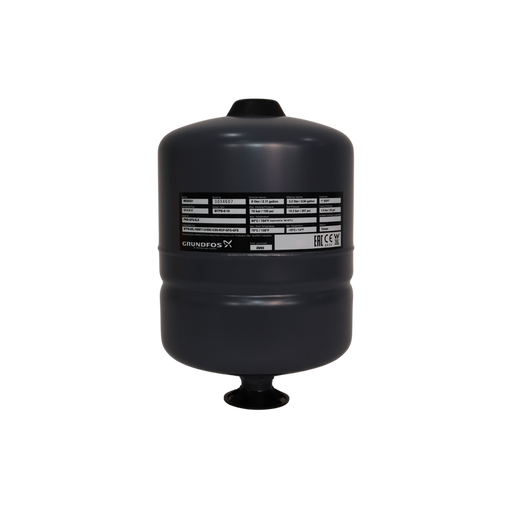
View full detailsThe Grundfos GT-H-18 PN10 G1 V is a compact steel pressure tank designed for drinking water applications. It features a non-toxic butyl rubber d...
View full detailsThe Davey Dynapond 8000 is a submersible centrifugal pond pump designed for continuous operation (24/7) in fountains, pond recirculation, wate...
View full detailsThe Tsurumi LSP1.4S is a single-phase portable self‑priming residue drainage pump incorporating a submersible motor, designed for fast removal of s...
View full details