3000+ Pumps & Parts
Pumps On Sale!
Fast Dispatch

Australia’s climate is tough on water pumps. High temperatures, dust, long dry periods, and mineral rich water place constant stress on pump systems. In Western Australia and regional areas, pumps often operate outdoors, run for long hours, and supply water from tanks or bores that require extra care.
Without proper maintenance, water pumps lose efficiency, consume more electricity, and fail earlier than expected. This guide explains how Australian homeowners can maintain their water pumps effectively, with specific advice for WA and regional conditions.
Water pumps in Australia face environmental challenges that accelerate wear. Heat affects motors and seals. Dust clogs ventilation and filters. Bore and rainwater systems often contain sediment that damages internal components.
In WA, summer temperatures and outdoor installations increase the risk of overheating. Regional properties also tend to have longer pipe runs and higher usage, placing additional load on pumps.
Pressure pumps require regular inspection of filters, pressure tanks, and controllers. Poor maintenance leads to fluctuating pressure and short cycling.
Bore pumps are exposed to iron, sand, and minerals. Without filtration and monitoring, internal components wear rapidly.
Tank pumps must be protected from debris, insects, and dust. Blocked filters are a common cause of pump failure in Australian homes.
Pool pumps run for long hours in hot conditions. Without maintenance, efficiency drops and power costs rise.
Filters should be checked regularly, especially in dusty WA conditions. Blocked filters restrict flow and force pumps to work harder.
Small leaks in pipework or fittings reduce efficiency and cause pressure loss. Air entering the system can lead to pump damage.
Changes in noise often indicate wear or installation issues. Early detection prevents major failures.
During summer, pumps run longer and face higher temperatures. Ensure ventilation is clear, shading is adequate, and filters are clean.
Lower usage during winter makes it a good time for inspections and servicing. This prevents surprises when demand increases again.
In Western Australia, direct sun exposure significantly reduces pump lifespan. Pumps should be shaded and installed with adequate airflow.
Avoid enclosing pumps in sealed boxes. Overheating leads to motor failure and increased energy consumption.
Sediment and iron are common in WA bore water. Installing and maintaining filtration protects impellers and seals.
Periodic flushing removes buildup that reduces performance. This is particularly important for regional properties using bore water.
Loose connections, voltage issues, and overloaded circuits cause pump faults. Solar assisted systems should be checked to ensure panels and controllers are functioning correctly.
Professional electrical checks reduce safety risks and prevent damage.
Some maintenance tasks require professional tools and expertise. Annual servicing helps identify worn components before they fail.
Professional servicing is especially important for bore pumps and high usage systems in regional Australia.
Persistent pressure loss
Frequent cycling
Unusual noise
Overheating
Rising electricity costs
Ignoring these signs often leads to complete pump failure.
Well maintained pumps last significantly longer and operate more efficiently. Reduced strain lowers energy costs and improves reliability.
In WA and regional environments, maintenance is the difference between years of service and premature replacement.
Local conditions matter. Pumptastic understands Australian water systems and WA climate challenges, supplying pumps and advice designed for long term reliability.
Learn more about water pump solutions at Pumptastic or visit the link https://pumptastic.com.au/
If you are unsure about your pump condition or maintenance schedule, expert advice saves time and money.
For professional support, visit this link https://pumptastic.com.au/pages/contact-us
Most pumps should be serviced at least once a year, or more often in dusty or regional WA environments.
Yes. High temperatures cause motors to overheat and seals to degrade faster.
Yes. Filters and intake screens must be cleaned regularly to prevent blockages.
Warning signs include noise, pressure loss, overheating, and higher electricity usage.
Yes. Regular maintenance costs far less than replacing a failed pump system.
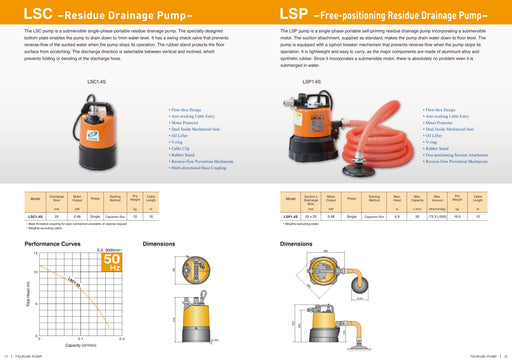
The Tsurumi LSC1.4S is a single-phase submersible portable residue drainage pump designed for ultra low-level water removal down to approximately 1...
View full detailsComplete maintenance kit for ASM D-Series diaphragm pumps, containing essential wear components to restore pump performance and reliability. Design...
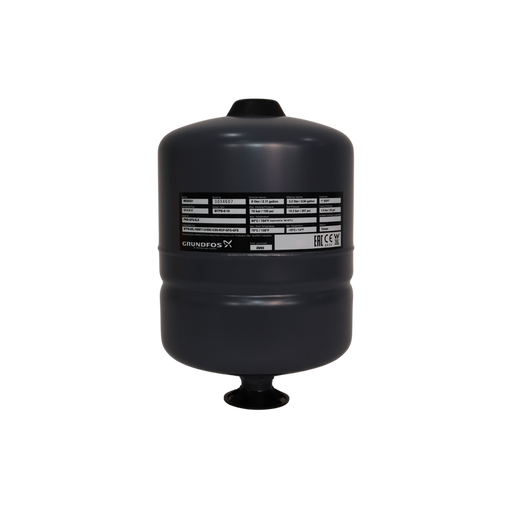
View full detailsThe Grundfos GT-H-18 PN10 G1 V is a compact steel pressure tank designed for drinking water applications. It features a non-toxic butyl rubber d...
View full detailsThe Davey Dynapond 8000 is a submersible centrifugal pond pump designed for continuous operation (24/7) in fountains, pond recirculation, wate...
View full detailsThe Tsurumi LSP1.4S is a single-phase portable self‑priming residue drainage pump incorporating a submersible motor, designed for fast removal of s...
View full details