3000+ Pumps & Parts
Pumps On Sale!
Fast Dispatch
Weak showers, a washing machine that crawls to fill, or a reticulation line that barely reaches the back fence are all signs your home needs better water pressure. Choosing the right water pressure pump is the difference between a system that quietly does its job for a decade and one that cycles constantly, wastes power, and fails in the middle of a hot Perth summer. This guide walks through every factor that matters, written for the way water actually behaves in Western Australian homes running on scheme water, rainwater tanks, and garden bores.

A water pressure pump, also called a pressure booster or tank pump, draws water from a source such as a rainwater tank, bore, or storage tank and delivers it to your taps, showers, appliances, and reticulation at a strong, steady pressure. Left to gravity, tank water usually trickles. A pressure pump fixes that by pushing water through your plumbing on demand, switching on the moment you open a tap and off again when you close it. Getting the selection right starts with two numbers.
Flow rate, measured in litres per minute (L/min), is how much water the pump can move. To size it, add up the outlets likely to run at once. A shower uses roughly 9 to 12 L/min, a toilet cistern about 6 L/min, and an outside tap up to 15 L/min, so a family bathroom plus a kitchen tap can demand 35 to 50 L/min during the morning rush. Pressure, expressed as head in metres, bar, or kPa, is how hard the pump pushes. A comfortable home needs about 3 bar, which is close to 30 metres of head or 300 kPa. If your furthest tap sits on a second storey or a long pipe run from the tank, you also need to allow for the vertical lift plus friction losses along the pipe, together known as Total Dynamic Head. Undersize the pump and pressure sags when a second tap opens; oversize it and you pay for energy you never use.
Most WA homes are served by one of four pump types. A jet pump is self priming and forgiving, ideal for drawing rainwater from a tank sitting a few metres away. A multistage pump uses several impellers to build strong, efficient pressure and suits medium to large homes with long pipe runs. A variable speed pump is the modern favourite: its motor adjusts to demand, holding constant pressure whether one tap or four are open while cutting running costs and noise. A submersible bore pump sits down the borehole itself and is the only real option when water sits deeper than roughly 7 to 8 metres, which covers many Perth garden bores. You can compare these in our Grundfos pressure pumps range and the Davey water pressure systems we stock.
Where your water comes from shapes the choice. Homes on scheme water usually only need a booster to lift pressure on higher floors or long blocks. Properties running from rainwater tanks need a pump matched to peak household demand, ideally certified to AS/NZS 4020 for contact with drinking water. Garden bores, common right across Perth and the Wheatbelt, draw groundwater that is often high in iron and can be mildly saline, so stainless steel wetted parts resist corrosion and staining far better than cast iron. WA's heat, the distances between fittings, and heavy reliance on bore and tank water make correct sizing and durability more important here than in most of the country. For bore setups see our submersible bore pumps, and for units tuned to local supply, our Grundfos pumps for WA.
A pump rarely works alone. A pressure tank stores a reserve of pressurised water so the pump does not restart every time you rinse a cup, which reduces cycling and extends motor life. A pressure controller or pressure switch tells the pump when to start and stop, and dry run protection shuts it down if the tank empties, preventing motor burnout. Match these in our pump controllers and pressure control components.
Look for stainless steel or techno polymer wetted parts for potable and bore water, a sealed motor with a sensible IP rating, and replaceable seals and capacitors so a small failure never means a whole new pump. A variable speed drive can noticeably lower your power bill on a pump that runs daily, and a quieter model matters when the unit sits near a bedroom or alfresco. Proven brands including Grundfos, Davey, Onga and Ebara have all earned their reputation in Australian conditions.
Sizing a pump well is worth getting right the first time. Tell our team your water source, the number of outlets, and the distance to your furthest tap, and we will match you to the correct model. Browse the full range or talk to our WA pump experts and have the right pump dispatched fast, Australia wide.
Size the pump around peak demand, the total litres per minute of every outlet likely to run at once, plus the pressure needed to reach your furthest and highest tap. A small home might need 35 to 40 L/min, while a larger two storey house often needs 50 L/min or more at around 3 bar. If you are unsure, our team can size it from your outlet count and pipe run.
Most homes feel comfortable at around 3 bar, which is roughly 30 metres of head or 300 kPa. Below about 2 bar, showers feel weak and appliances fill slowly. A quality pressure pump or booster brings a low pressure system up to that comfortable range.
A pressure tank is not always essential, but it is strongly recommended. It stores pressurised water so the pump does not switch on for every small draw, which cuts cycling, reduces noise, and extends the life of the motor. Many constant pressure and variable speed systems reduce this need with smart control instead.
A jet pump is self priming and handles air and suction well, making it a reliable choice for drawing rainwater from a tank. A multistage pump uses several impellers to deliver stronger, more efficient pressure and is better suited to larger homes and long pipe runs. Multistage units are usually quieter and more energy efficient for whole of home supply.
For a pump that runs every day, yes. A variable speed pump adjusts its motor to match demand, holding steady pressure while using less electricity than a fixed speed pump. The higher upfront cost is often recovered through lower running costs and longer pump life.
Absolutely, and it is one of the most common setups in Australia. Choose a pump rated for your peak household flow and, for drinking water, one certified to AS/NZS 4020. Adding a pressure tank or a smart controller keeps the supply steady across taps, showers and the garden.
If the water level sits below about 7 to 8 metres, you need a submersible bore pump that sits down the hole and pushes water up. Because Perth bore water is often high in iron and can be slightly saline, stainless steel components resist staining and corrosion far better than cast iron. Browse our submersible bore pumps for suitable options.
The vertical lift to upstairs outlets can rob pressure, so you need a pump sized for that extra head plus friction. A multistage or variable speed booster set to around 3 bar usually restores strong flow to upper floors. Confirm the pump's maximum head comfortably exceeds the height and length of your longest run.
Stainless steel or techno polymer wetted parts are the safer choice for potable water, rainwater and bore water, especially where iron or salinity causes staining and corrosion. Cast iron remains durable and cost effective for cleaner water and some transfer duties. In most WA home applications, stainless steel is the longer lasting option.
Plumbing and electrical connections should be carried out by a licensed professional to meet Australian standards and protect your warranty. Correct installation also ensures the pump primes properly, runs quietly, and delivers its rated pressure. Our team can supply the right pump and guide you on what your installer will need.
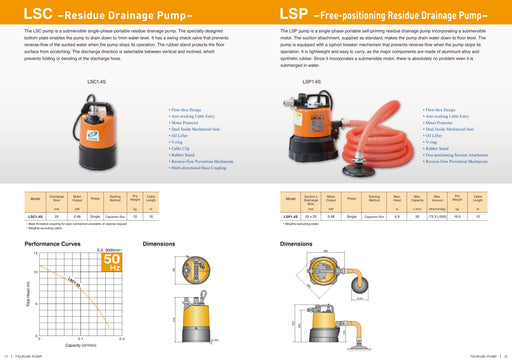
The Tsurumi LSC1.4S is a single-phase submersible portable residue drainage pump designed for ultra low-level water removal down to approximately 1...
View full detailsComplete maintenance kit for ASM D-Series diaphragm pumps, containing essential wear components to restore pump performance and reliability. Design...
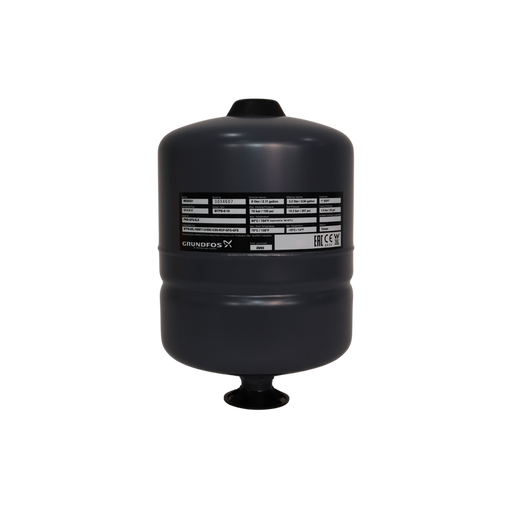
View full detailsThe Grundfos GT-H-18 PN10 G1 V is a compact steel pressure tank designed for drinking water applications. It features a non-toxic butyl rubber d...
View full detailsThe Davey Dynapond 8000 is a submersible centrifugal pond pump designed for continuous operation (24/7) in fountains, pond recirculation, wate...
View full detailsThe Tsurumi LSP1.4S is a single-phase portable self‑priming residue drainage pump incorporating a submersible motor, designed for fast removal of s...
View full details