3000+ Pumps & Parts
Pumps On Sale!
Fast Dispatch
The main difference between a submersible pump and a pressure pump is where they operate and what job they do. A submersible pump sits fully underwater inside a bore, tank, well or sump and pushes water up to the surface, while a pressure pump is installed above ground and boosts the pressure of water that is already available so your taps, showers and irrigation run at consistent, usable pressure. In short, a submersible pump moves water out of a source, and a pressure pump delivers that water through your home or property at the pressure you need.
If your water is deep underground or inside a tank, you need a submersible pump to lift it. If your water is already at the surface but comes out weak at the tap, you need a pressure pump to boost it. Many Australian properties, especially those on bore water or rainwater tanks, actually need both working together as a complete system.
A submersible pump uses a hermetically sealed electric motor coupled to a series of stacked impellers, all housed in a corrosion-resistant casing designed to run underwater. Because it is submerged, the pump pushes water upward rather than pulling it, which is far more efficient than surface suction and avoids priming problems entirely. Surface pumps face a practical suction limit of roughly seven to eight metres, so for deep bores common across Australia, a submersible bore pump is the only realistic choice. The surrounding water also cools the motor, and because the unit sits underground or inside a tank, operation is almost silent. Australian buyers typically choose models like the Grundfos SQ and SQE submersible pumps for domestic bores or the heavier duty Grundfos SP borehole pumps for agricultural and commercial bores. You can browse the full range of submersible bore pumps for Australia at Pumptastic, all with fast dispatch nationwide.
A pressure pump, sometimes called a booster pump or jet pressure pump, is a surface-mounted unit that takes water from a nearby source such as a rainwater tank, mains supply or shallow well and increases its pressure before sending it into your plumbing. Most modern domestic pressure systems combine a multistage centrifugal pump with an automatic pressure controller that starts the pump when you open a tap and stops it when you close it. Systems like the Davey HS50-06T Torrium2 water pressure system deliver constant flow without pressure spikes, and pairing your pump with a pressure tank reduces cycling, extends motor life and smooths out flow. Explore Grundfos pressure pumps and Davey pressure systems at Pumptastic to match a unit to your household demand.
Ask one question first: where is your water? If it sits more than eight metres below ground in a bore or well, choose a submersible. If it is in an above-ground rainwater tank, either type can work, though an in-tank submersible runs quieter while a surface pressure pump is easier to service. If you are on mains or tank water and simply frustrated by weak showers or struggling sprinklers, a pressure pump is the answer. If you need to drain floodwater, a pit or a basement, that is a job for a submersible sump pump rather than either of the above. Sizing matters as much as type, because flow rate, total head and pipe friction determine real-world performance, so call the Pumptastic team on (08) 6384 5884 for free sizing advice before you buy.
On many rural Australian properties the two pumps form one system. A submersible bore pump lifts water from the aquifer into a holding tank, then a surface pressure pump draws from that tank and pressurises the house and garden. Adding a pump controller and a correctly pre-charged pressure tank protects both pumps from dry running and rapid cycling, which are the two most common causes of premature pump failure in Australia.
Western Australia relies on bore water more than any other state, with hundreds of thousands of domestic garden bores across Perth, the Wheatbelt, the South West and regional WA. Perth's sandy coastal aquifers, seasonal watering rosters and iron-rich groundwater in many regional areas all influence pump selection, so corrosion-resistant stainless steel submersibles are the smart choice for WA bores. Pumptastic ships Australia wide with free shipping on orders over one hundred dollars, and our dedicated Grundfos pumps WA range is stocked for fast delivery to Perth and regional Western Australia.
Pumptastic is an Australian online pump specialist stocking more than three thousand pumps and parts from Davey, Grundfos, Onga, Tsurumi and Ebara, backed by genuine manufacturer warranties, expert phone advice and fast dispatch. Whether you need a submersible bore pump, a complete pressure system or the pressure tanks and controllers that keep them running, you will find it in stock and ready to ship today.
Yes, in many cases. A correctly sized submersible bore pump with stacked impellers can generate strong pressure directly to the house when paired with a pressure controller and tank, which is a common setup on Australian bore water properties.
Both work. A submersible in-tank pump is quieter and protected from weather, while an external pressure pump is cheaper to access and service. For homes close to neighbours, submersible is usually the better choice.
For deep water sources, yes. Pushing water from below eliminates suction losses and priming issues, so submersibles typically use less energy per litre lifted from depth than surface pumps attempting the same job.
Surface pumps are practically limited to around seven to eight metres of suction lift at sea level. Beyond that depth, a submersible pump is required.
A typical three to four person home needs roughly 40 to 60 litres per minute at around 300 to 500 kPa. Bathrooms, storeys and irrigation demand change this, so get free sizing advice from Pumptastic on (08) 6384 5884.
Not always, but adding one reduces pump cycling, protects the motor and delivers smoother pressure at the tap. Most bore-to-house systems perform better and last longer with a pressure tank fitted.
Rapid cycling usually indicates a waterlogged or incorrectly pre-charged pressure tank, a small leak in the system, or a faulty pressure controller. Left unfixed, it will burn out the motor.
Quality stainless steel submersibles from brands like Grundfos and Davey commonly last 10 to 15 years in clean bore water. Sandy or iron-rich water, common in WA, shortens life, so correct pump selection matters.
Yes, and it is the standard setup for rural properties. The submersible lifts bore water into a storage tank and the pressure pump distributes it to the house at constant pressure.
Pumptastic stocks Davey, Grundfos, Onga and Tsurumi submersible and pressure pumps online with free shipping over one hundred dollars, fast dispatch Australia wide and expert phone support.
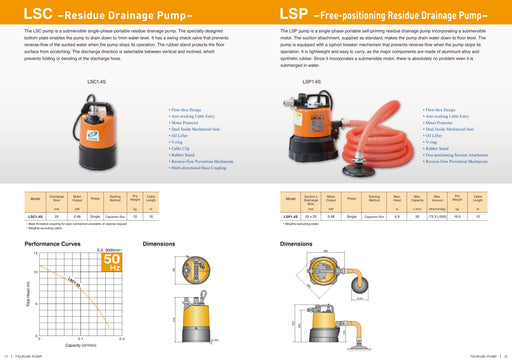
The Tsurumi LSC1.4S is a single-phase submersible portable residue drainage pump designed for ultra low-level water removal down to approximately 1...
View full detailsComplete maintenance kit for ASM D-Series diaphragm pumps, containing essential wear components to restore pump performance and reliability. Design...
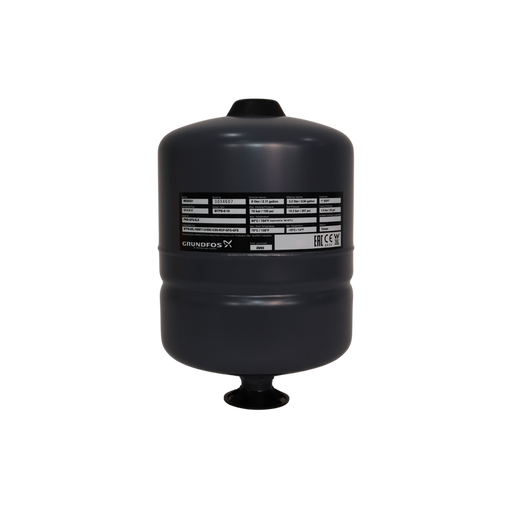
View full detailsThe Grundfos GT-H-18 PN10 G1 V is a compact steel pressure tank designed for drinking water applications. It features a non-toxic butyl rubber d...
View full detailsThe Davey Dynapond 8000 is a submersible centrifugal pond pump designed for continuous operation (24/7) in fountains, pond recirculation, wate...
View full detailsThe Tsurumi LSP1.4S is a single-phase portable self‑priming residue drainage pump incorporating a submersible motor, designed for fast removal of s...
View full details