3000+ Pumps & Parts
Pumps On Sale!
Fast Dispatch
A tank water filter system turns rain, bore or dam water into water that is safe to drink, shower in and use across your home or farm. The trouble is that most guides only talk about cartridges on a wall and skip the parts that actually make filtration work. This guide explains the full system, what each stage does, and how to choose the right setup for your property in Western Australia and beyond.

A tank water filter system is a connected series of components, not a single product. At minimum it includes pre-tank filtration, a pump that delivers steady pressure, a sediment and carbon stage, and often a UV steriliser for disinfection. Each stage handles a different problem, and the system only performs as well as its weakest link. Treating it as a complete setup, rather than one filter housing, is the difference between water that merely looks clear and water that is genuinely safe.
Rainwater collected from a roof picks up dust, bird and possum droppings, leaf litter and airborne pollutants before it ever reaches your tank. According to Australia's enHealth guidance and the Australian Drinking Water Guidelines, tank water can carry E. coli, Giardia, Cryptosporidium, sediment and even heavy metals such as lead, particularly near industry or busy roads. Bore water across Western Australia adds its own challenges, with high iron, manganese, hardness and salinity common in many regions. Clear water is not the same as clean water, which is exactly why filtration and disinfection matter.
Good filtration starts before the water enters the tank. First flush diverters dump the dirtiest initial run-off, while screen and brush filters strain out leaves, grit and insects. Robust pre-filtration protects everything downstream and reduces how often you clean your tank. Pumptastic stocks heavy-duty Filtaworx and Helix Hydro screen and brush filters built for rainwater, bore and dam water.
This is the stage most suppliers ignore. Cartridge and UV filters need adequate pressure, usually above 50 psi, to work correctly, and without it your expensive filters simply underperform. A quality pressure pump or constant pressure system delivers steady flow to every tap and filter in the house. Browse pressure pumps and Davey Torrium2 systems, submersible bore pumps and pressure tanks to build the right foundation.
Once water leaves the tank under pressure, a sediment filter captures fine particles down to 5 or 1 micron, and an activated carbon stage removes chlorine, tannins, odours and many chemical contaminants. This is the stage that transforms taste and clarity. Pairing the right micron rating with your pump's flow rate keeps pressure strong while still polishing the water.
For drinking water, sediment and carbon alone are not enough. Ultraviolet sterilisation kills bacteria, viruses and parasites without chemicals, and is recommended by the Australian Drinking Water Guidelines as a proven disinfection method. UV needs clear water and a 5 micron pre-filter to work, which is why it sits last in the chain. Where chemical dosing suits larger or rural supplies, ITC dosing pumps deliver accurate chlorination.
The right system depends on your water source, household size and location. A family on rainwater in Perth or the Perth Hills may only need pre-filtration, a pressure pump and a twin sediment and carbon stage with UV. A rural property on bore water in the Wheatbelt, South West or Mid West often needs iron and hardness treatment first, then sediment, carbon and disinfection. Flow rate, micron rating and pump pressure all need to match, which is where local advice pays off.
Many online filter stores sell you a cartridge housing and stop there, with no mention of pump pressure, pre-filtration or flow rate. The result is a system that looks complete but delivers weak pressure and disappointing water. Pumptastic approaches tank water as a whole system, matching the pump, pressure tank, pre-filter and treatment so every component works together. That system-first thinking is what separates water that works from water that frustrates.
A tank water filter system is low effort once it is set up correctly. Sediment and carbon cartridges are typically replaced every 6 to 12 months, UV lamps annually, and self-cleaning screen filters need only occasional flushing. Checking your pump and pressure tank each year keeps flow strong and extends the life of your filters. Regular tank inspection and keeping lids sealed reduces the load on the whole system.
Choosing the wrong pump or micron rating is an expensive mistake, and the safest path is to match every stage to your exact water source and household. Pumptastic's pump experts help homeowners, farmers and trades across Western Australia and nationwide build tank water filter systems that actually perform. Call (08) 6384 5884 or contact the team for tailored advice and fast Australia-wide delivery.
Not reliably. Tank water can look clean yet contain E. coli, Giardia, sediment and heavy metals. Australian health authorities recommend filtration and UV disinfection before drinking, especially for young children, the elderly and anyone with reduced immunity. A complete tank water filter system makes rainwater consistently safe.
A full system removes sediment, dirt and grit, chlorine, tannins, and bad tastes and odours, and with UV it neutralises bacteria, viruses and parasites. Activated carbon also reduces many chemical contaminants and some heavy metals, depending on the cartridge used.
If you drink the water, yes. Sediment and carbon improve clarity and taste but do not kill microorganisms. UV sterilisation provides chemical-free disinfection and is recommended by the Australian Drinking Water Guidelines for treating rainwater and bore water.
Most cartridge and UV systems need more than 50 psi to work properly. A correctly sized pressure pump or constant pressure system delivers steady flow to every tap and filter, which is essential for filtration to perform as intended.
A common setup uses a 5 micron sediment filter followed by carbon, with finer 1 micron options for problem water. The right micron rating balances filtration with flow, so it should always be matched to your pump and household demand.
Yes, but bore water often needs extra steps. High iron, manganese and hardness are common in Western Australia and usually require dedicated treatment before the standard sediment, carbon and UV stages. Local advice helps you stage it correctly.
Sediment and carbon cartridges generally last 6 to 12 months depending on water quality and usage, while UV lamps are replaced yearly. Self-cleaning screen filters only need occasional flushing rather than replacement.
Cost depends on the stages you need. A pressure pump, pre-filter and twin sediment and carbon system sits at the affordable end, while adding UV, dosing or bore water treatment increases the price. Buying the right system once avoids costly rework later.
A pressure tank is highly recommended. It stabilises pressure, reduces pump cycling and extends pump life, which keeps filtration consistent. Pairing the right pressure tank with your pump is a key part of a reliable setup.
Pumptastic supplies pumps, pressure tanks, pre-filters and treatment components for tank water systems across WA and nationwide, with expert phone support and fast dispatch. Call (08) 6384 5884 or order online to get the right setup.
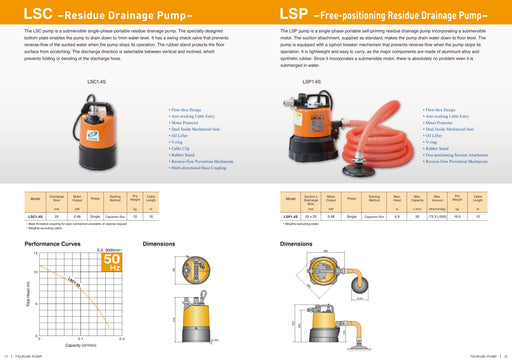
The Tsurumi LSC1.4S is a single-phase submersible portable residue drainage pump designed for ultra low-level water removal down to approximately 1...
View full detailsComplete maintenance kit for ASM D-Series diaphragm pumps, containing essential wear components to restore pump performance and reliability. Design...
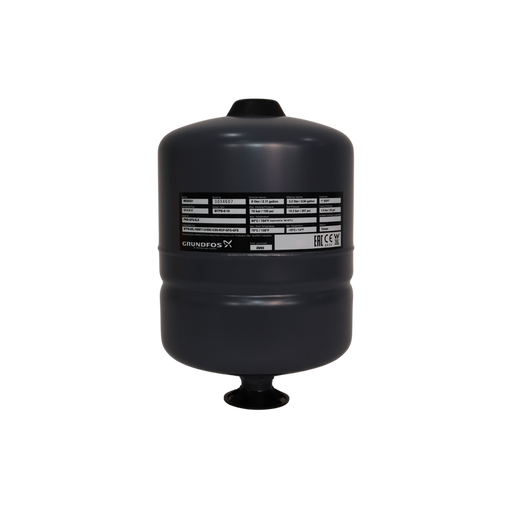
View full detailsThe Grundfos GT-H-18 PN10 G1 V is a compact steel pressure tank designed for drinking water applications. It features a non-toxic butyl rubber d...
View full detailsThe Davey Dynapond 8000 is a submersible centrifugal pond pump designed for continuous operation (24/7) in fountains, pond recirculation, wate...
View full detailsThe Tsurumi LSP1.4S is a single-phase portable self‑priming residue drainage pump incorporating a submersible motor, designed for fast removal of s...
View full details