3000+ Pumps & Parts
Pumps On Sale!
Fast Dispatch
Choosing the right water filtration system in Australia is not about buying the most expensive unit on the shelf. It is about matching the filter to your water source, your flow rate, and the problems you actually have. A home on Perth mains water has very different needs to a farm running a bore, or a house that depends on a rainwater tank. This guide covers every type of water filtration system Australia relies on, what each one removes, and how to size it so it lasts. By the end you will know which setup protects your pumps, your appliances, and your household.
Australian water quality changes a lot depending on where you live and where your water comes from. Town supplies are treated with chlorine or chloramine to keep them safe on the long trip to your tap. That keeps bacteria down, but it can leave a taste and smell, and it can be hard on skin and appliances. Rural and regional properties often skip mains water and pull from a bore or a rainwater tank instead. That water can carry sand, silt, clay, iron, and organic matter that clog fittings and wear out pumps fast.
A good water filtration system fixes the problem at the source rather than one glass at a time. It traps sediment before it reaches your pressure pump, your irrigation lines, or your kitchen tap. On bore and tank supplies, filtration is not a luxury. It is the difference between a pump that runs for years and one that fails inside a season. This is why so many buyers pair a filter with the pressure system and pressure tank that move the water in the first place.
There is no single best water filtration system in Australia, because the right choice depends on your supply. Here are the main types, from the supply side through to the drinking tap.
If you draw water from a bore, tank, dam, or channel, sediment is your first enemy. A self-cleaning screen filter or brush filter removes grit before it ever reaches your pump or your irrigation system. Pumptastic stocks Filtaworx and Helix Hydro filters built for exactly this job. Automatic models flush themselves, so you are not pulling apart a housing every week. This is the part of the water filtration system that most drinking-water shops ignore, and it is the part that keeps everything downstream alive.
A whole-house or point-of-entry water filtration system treats water as it enters the property, so every shower, tap, and appliance gets cleaner water. These systems usually run a sediment stage and a carbon stage to cut chlorine and taste. They suit homes on mains or tank water that want one simple solution rather than a filter on every fixture. Good flow and pressure matter here, which is why the pump and controller behind the filter are just as important as the cartridge itself.
Bore water is common across regional Australia and much of Western Australia. It can look clear and still carry dissolved iron and manganese that stain paths, tanks, and washing. A bore water filtration system often combines a screen filter for grit, an oxidising or media stage for iron, and sometimes a dosing step to correct pH. Pumptastic supplies the submersible bore pumps and chemical dosing pumps that make these systems work, so you can source the pump and the filtration together in one place.
Rainwater looks clean, but roofs collect leaves, dust, bird droppings, and fine sediment. A tank water filtration system usually starts with a screen filter on the pump inlet, then adds a finer cartridge and sometimes UV to make the water safe for the house. The screen stage is the one that saves your pump, because it stops debris from reaching the impeller and burning out the motor.
For drinking and cooking, a point-of-use reverse osmosis or under-sink water filtration system gives the cleanest result. These units push water through a fine membrane to cut dissolved solids, taste, and many chemical contaminants. They treat a single tap rather than the whole home, so they pair well with a whole-house or screen filter that handles the bulk supply.
Start with your water source, because that decides everything else. Bore and tank water need strong sediment filtration first. Mains water usually needs carbon for chlorine and taste. Next, check your flow rate in litres per minute, and make sure the filter can keep up without choking your pressure. Then look at micron rating: a lower micron number traps finer particles but clogs faster, so match it to how dirty your water is. Finally, think about maintenance. An automatic self-cleaning water filtration system costs more up front but saves hours of manual cleaning over its life. If you are unsure, the team at Pumptastic can size the system around your source, your pump, and your budget.
Western Australia is a special case. Large parts of Perth and regional WA rely on groundwater, and many rural properties run their own bore or tank rather than a town supply. That means grit, iron, and hardness are everyday issues, not rare ones. A water filtration system built for WA conditions has to handle sediment-heavy bore water and long dry runs where every drop counts. Pumptastic is based in Western Australia and ships Australia wide, with a dedicated Grundfos range for WA alongside its filter range. For farms, market gardens, and regional businesses, that local knowledge matters, because a filter that suits coastal mains water may fail fast on inland bore water. Regional buyers get the same fast dispatch as the cities, with free shipping on orders over $100.
Most water filter shops sell you a cartridge and stop there. Pumptastic sells the whole working system: the filter, the pump that feeds it, the pressure tank, and the controller that ties it together. That matters, because a filter is only as good as the pump and pressure behind it. You get genuine brands like Filtaworx, Helix Hydro, Davey, and Grundfos, real phone support from people who know pumps, and fast dispatch across Australia. Whether you are protecting a single home pump or running filtration across a whole farm, you can source every part from one supplier who understands how the pieces fit together. Call the team on (08) 6384 5884 or get in touch for a recommendation built around your water.
What is the best water filtration system in Australia?
There is no single best system. The right water filtration system depends on your water source. Bore and tank water need sediment and screen filtration first, mains water usually needs carbon for chlorine, and drinking water benefits from reverse osmosis at the tap. Match the filter to your supply and flow rate.
How much does a water filtration system cost in Australia?
Costs range widely. A basic sediment or screen filter can start low, while whole-house, bore, and automatic self-cleaning systems cost more because they treat larger volumes. The real cost includes filter changes and the pump and pressure that run the system, so it pays to size it correctly from the start.
Do I need a WaterMark certified water filter in Australia?
If a filter connects to your mains drinking water supply, plumbing products generally need to meet Australian WaterMark requirements. For irrigation, bore protection, and tank inlet filtration, the rules differ. Ask your supplier which certification applies to your setup before you buy.
What water filter removes chlorine and sediment?
Chlorine is removed by an activated carbon stage, while sediment is removed by a screen or sediment cartridge. Most whole-house water filtration systems run both stages in sequence, so you get clearer water with less taste and smell from every tap.
Do I need a filter for bore water in Australia?
Almost always, yes. Bore water often carries grit, iron, and hardness that stain surfaces and wear out pumps. A bore water filtration system with a screen filter and an iron-reduction stage protects your pump, your fittings, and your appliances.
How do I filter rainwater tank water for the house?
Start with a screen filter on the pump inlet to catch leaves and grit, then add a finer cartridge and, if needed, UV to make the water safe for household use. The screen stage is the one that protects your pump from debris damage.
What micron rating do I need for a water filter?
It depends on how dirty your water is. A higher micron rating (such as 100 to 130 microns) suits coarse sediment and pump protection, while a lower rating (1 to 5 microns) suits fine polishing and drinking water. Lower ratings trap more but clog faster.
Can a water filtration system improve water pressure?
A filter itself does not add pressure, and a blocked filter can reduce it. Good pressure comes from the right pump and pressure tank working with a filter that is sized for your flow. This is why pairing filtration with the correct pressure system matters.
Whole-house or under-sink filter: which is better?
They do different jobs. A whole-house system cleans water at every tap and protects appliances. An under-sink system gives the finest drinking water at one tap. Many homes use both: a whole-house or screen filter for the bulk supply, and a point-of-use filter for drinking.
How often should I change my water filter?
It varies by water quality and use. Sediment cartridges on dirty bore or tank water may need changing often, while carbon stages on clean mains water last longer. Automatic self-cleaning screen filters flush themselves and need far less hands-on maintenance.
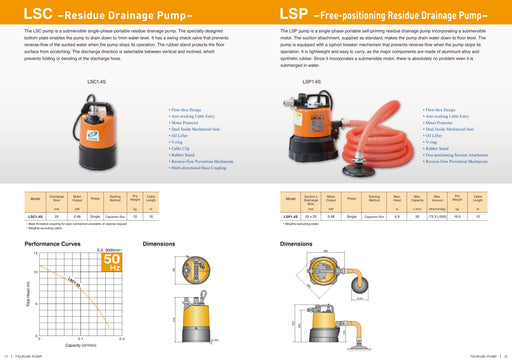
The Tsurumi LSC1.4S is a single-phase submersible portable residue drainage pump designed for ultra low-level water removal down to approximately 1...
View full detailsComplete maintenance kit for ASM D-Series diaphragm pumps, containing essential wear components to restore pump performance and reliability. Design...
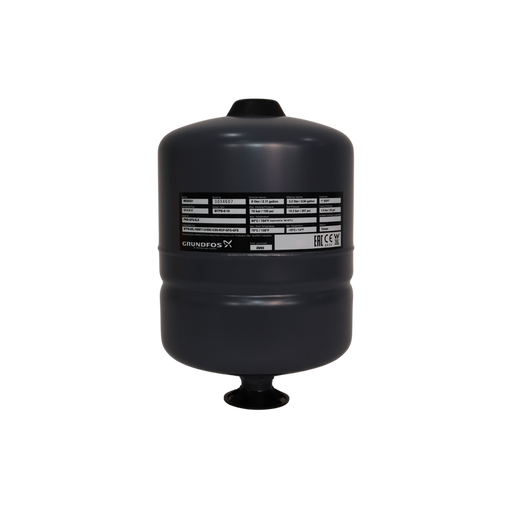
View full detailsThe Grundfos GT-H-18 PN10 G1 V is a compact steel pressure tank designed for drinking water applications. It features a non-toxic butyl rubber d...
View full detailsThe Davey Dynapond 8000 is a submersible centrifugal pond pump designed for continuous operation (24/7) in fountains, pond recirculation, wate...
View full detailsThe Tsurumi LSP1.4S is a single-phase portable self‑priming residue drainage pump incorporating a submersible motor, designed for fast removal of s...
View full details