3000+ Pumps & Parts
Pumps On Sale!
Fast Dispatch
If your shower drops to a trickle when someone turns on a tap, or your garden sprinklers barely reach the lawn, the fix is usually a pressure pump. Pressure pumps take water from your mains, rainwater tank, or bore and push it through the house at a steady, usable pressure. At Pumptastic, we help homeowners, farmers, and trades across Australia choose the right pressure pumps for the job, then ship them fast with real phone support. This guide explains how pressure pumps work, how to size one, and how to pick a model that lasts.

A pressure pump sits between your water source and your taps. When you open a tap, the pump senses the pressure drop and switches on to keep water moving. When you close the tap, it stops. That on-demand action is what gives you a strong, even flow instead of a weak dribble. Most pressure pumps in Australian homes run on standard 240V power and pair with a pressure tank or a smart pressure controller to hold the flow steady and stop the pressure pump cycling on and off too often. If you draw from a tank or bore, a pressure pump is what turns stored water into usable house pressure.
Not every pressure pump suits every job, so it helps to know the four common types before you buy.
Jet pumps are self-priming, which means they cope with air well and can suck water up from a tank or shallow bore around 6 to 8 metres deep. They are a solid choice for rainwater tanks and simple house supply.
Multistage pumps use several impellers stacked together to build strong, quiet pressure. They suit medium to large homes, two-story houses, and long pipe runs where you need good flow at many outlets at once.
Variable speed pumps adjust their motor to match demand. They hold constant pressure, run quietly, and use less power, which makes them the most efficient option over the life of the pump.
Submersible pressure pumps sit inside the tank or down the bore and push water up to the house. The water muffles the motor, so they run quietly and free up space above ground.
If you are not sure which type fits your setup, our team can match a pump to your water source and layout in a quick phone call.
Two numbers matter most: flow and pressure. Flow is measured in litres per minute (LPM) and tells you how much water the pump moves. Pressure is measured in kilopascals (kPa) or metres of head, and tells you how hard the pump pushes. As a rough guide, one tap or shower needs about 15 to 20 LPM, and each extra outlet you want to run at the same time adds to that total. A single-story home with one bathroom has very different needs to a two-story home with three bathrooms and a garden on sprinklers.
Head matters too. Head is the vertical height the pump has to lift water, plus the friction from long or narrow pipes. A property on a slope, or a tank a long way from the house, needs more pressure to get the same result. Get these numbers wrong and you either starve your taps or pay for a pressure pump that is far too big. This is where talking to a real person saves money, and why so many buyers call us before they order pressure pumps.
Water setups in Western Australia are not the same as the east coast, and that changes which pressure pumps make sense. Across Perth and the suburbs, garden bores are everywhere, and scheme water pressure can sag in summer when demand peaks and sprinkler rosters kick in. In regional WA, from the Wheatbelt to Geraldton, Bunbury, and out to Kalgoorlie, plenty of homes and farms run on rainwater tanks or bore water with no mains backup at all.
For these conditions you want a pump that primes well, copes with a little sediment, and holds steady pressure through long dry runs. Grundfos and Davey both build models tested for Australian heat, hard water, and dusty tanks, which is why we stock them for local buyers. We ship pressure pumps to metro Perth and right across regional WA, and we keep matching parts and pressure tanks on hand so you are not left waiting. You can browse our Western Australia pump range or call our Perth line for advice on the right setup for your block.
Homes are only part of the picture. On farms, market gardens, and vineyards, pressure pumps run irrigation, stock water, and wash-down lines, often for hours at a time. For those jobs you need pumps rated for continuous duty and built from materials that cope with grit and long service. Plumbers, builders, and facility managers also come to us for pressure boosting on multi-story buildings, commercial kitchens, and processing sites where steady pressure is not optional.
We supply single-phase and three-phase pumps, pressure boosting systems, and pump controllers for commercial and agricultural work, and we can quote in volume. If you are a trade buyer or run a business account, contact our team and we will spec the right pumps and parts for your site.
We only sell brands we would use ourselves. Grundfos pressure pumps, including the popular SCALA range and CMBE variable speed models, give quiet, smart, constant pressure, with Bluetooth control on some units. Davey pumps, many running Torrium2 technology, deliver steady pressure and protect themselves if the water runs dry, which cuts the annoying on-off cycling of old pressure switches. Onga rounds out the range with dependable, value-focused pumps for homes and pools. Every pump is backed by a manufacturer warranty and a service network you can actually reach in Australia.
You can buy a pressure pump from a big-box shed, but you cannot ring that shelf and ask which model fits a 22-metre bore. We stock more than 3000 pumps and parts, dispatch fast, and give free shipping on orders over $100 across Australia. Our team gives real advice before and after you buy, and we hold spares and pressure control components so a small fault does not turn into a long wait. Whether you need one pressure pump for a rainwater tank or a fleet of pumps for a site, we help you buy once and buy right. Shop Grundfos pressure pumps online, or call our pump experts and we will point you to the right model today.
What is a pressure pump and how does it work?
A pressure pump moves water from your mains, tank, or bore and pushes it through your pipes at a steady pressure. When you open a tap, the pump senses the drop and switches on. When you close the tap, it stops. That keeps your flow strong and even instead of weak.
Do I need a pressure tank with my pressure pump?
Often, yes. A pressure tank stores a small amount of water under pressure so the pressure pump does not start every time you use a tap. That reduces wear, saves power, and stops rapid on-off cycling. Some smart pumps with a built-in controller cut the need for a big tank, but many setups still run better with one.
What size pressure pump do I need for my house?
Add up the outlets you want to run at once. One shower needs about 15 to 20 LPM, and each extra tap adds more. Bigger homes, two-story layouts, and gardens on sprinklers need higher flow and pressure. If you are unsure, call us with your details and we will size it for you.
Can a pressure pump draw water from a rainwater tank or bore?
Yes. Self-priming jet pumps can pull water up from a tank or shallow bore around 6 to 8 metres deep. For deeper bores, a submersible bore pump sits down the hole and pushes water up. We stock both.
What is the difference between a jet pump and a multistage pump?
A jet pump is self-priming and handles air well, which suits tanks and shallow bores. A multistage pump uses stacked impellers to build stronger, quieter pressure, which suits larger homes and long pipe runs. Many buyers pick a multistage or variable speed model for the best flow.
Are variable speed pressure pumps worth the extra cost?
For most homes, yes. A variable speed pressure pump changes its motor to match demand, so it holds constant pressure, runs quietly, and uses less power. Over the life of the pump, the energy saving often pays back the higher upfront price. Grundfos SCALA and CMBE models are popular here.
Which pressure pump is best for a two-story home?
Two-story homes lose pressure on the upper floor, so you want a pressure pump with strong head and steady flow. A multistage or variable speed pump usually works best. Tell us your bathroom count and tap layout and we will recommend a model.
How deep can a pressure pump suck water from?
Most surface-mounted pressure pumps lift water about 6 to 8 metres by suction. Past that, physics limits how high a pressure pump can pull, so you switch to a submersible pump placed down the bore or in the tank. We can help you choose based on your depth.
Do you deliver pressure pumps across Western Australia and regional areas?
Yes. We ship to metro Perth and right across regional WA, plus the rest of Australia. Orders over $100 get free shipping, and we keep parts and pressure tanks in stock so you are not left waiting. Call our team for local advice.
What warranty and support come with your pressure pumps?
Every pump comes with a manufacturer warranty, and the period depends on the brand and model. We also offer phone and email support before and after you buy, plus spare parts and servicing. Contact us and we will help with sizing, install questions, or warranty claims.
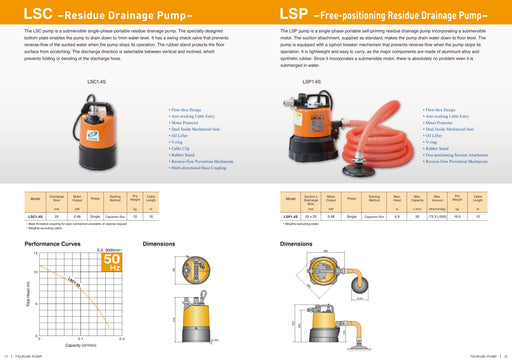
The Tsurumi LSC1.4S is a single-phase submersible portable residue drainage pump designed for ultra low-level water removal down to approximately 1...
View full detailsComplete maintenance kit for ASM D-Series diaphragm pumps, containing essential wear components to restore pump performance and reliability. Design...
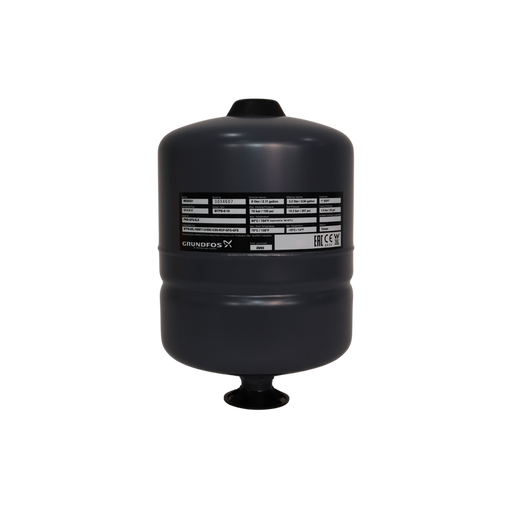
View full detailsThe Grundfos GT-H-18 PN10 G1 V is a compact steel pressure tank designed for drinking water applications. It features a non-toxic butyl rubber d...
View full detailsThe Davey Dynapond 8000 is a submersible centrifugal pond pump designed for continuous operation (24/7) in fountains, pond recirculation, wate...
View full detailsThe Tsurumi LSP1.4S is a single-phase portable self‑priming residue drainage pump incorporating a submersible motor, designed for fast removal of s...
View full details