3000+ Pumps & Parts
Pumps On Sale!
Fast Dispatch
Submersible pumps sit below the water and push it to the discharge, making them practical for deep bores, flooded sumps, sewage wells and site dewatering. The challenge is choosing a model that supplies the required flow at the real total dynamic head, handles the liquid and survives local water. Pumptastic supplies homes, farms, contractors and industrial buyers across Australia, with direct access to submersible bore pumps, drainage pumps, wastewater models and controls.
A pump selected by motor power or outlet size alone can lose pressure, cycle to failure or clog. Before buying, record the water source, pumping level after drawdown, vertical lift, pipe length, required flow, power supply and water quality. For wastewater, add the largest solids and any rags or fibres. Those facts turn a search into a defensible selection.

Bore models are long, narrow, multistage submersible pumps for clean water and high head. Domestic bores and stock lines may suit the 3 inch Grundfos SQ or SQE range. Larger farm and commercial duties often use 4 inch Grundfos SP bore pumps. Diameter must fit the casing, but the duty point on the performance curve decides the model.
Drainage and sump models move clean or lightly contaminated water from pits, basements, tanks and stormwater sumps. A narrow pit may restrict an automatic float and cause rapid cycling. Compare minimum pumping level, particle size, cable length and cooling needs. Browse sump pumps or compact Grundfos Unilift pumps.
Sewage submersible pumps need an impeller and solids passage matched to the waste. Vortex designs reduce contact with solids, channel impellers can improve efficiency, and cutters address fibres. A clean-water pump is not a substitute. Compare Grundfos SEG grinder pumps, Grundfos SEV pumps and Tsurumi submersible pumps.
Construction, mining and municipal buyers should state the duty point, liquid temperature, pH, abrasives, solids size, starts per hour, run time and cable distance. Add any need for guide rails, lifting chains or controls. Suppliers can then check motor loading, materials, impeller type and service access before delivery.
Start with total dynamic head. Add vertical lift from the pumping water level, required outlet pressure and friction through pipe, valves and fittings. For a bore, use the level after drawdown, not drilled depth or static level. As a quick conversion, 100 kPa is about 10.2 metres of water head. The selected curve must meet both flow and head.
Define flow from demand: simultaneous household outlets, irrigation zones, trough refill, tank turnover or dewatering volume. Bigger is not safer. Oversized submersible pumps can empty a low-yield bore, cycle too often and waste energy. A commercial schedule should show normal, peak and minimum duty.
Check casing diameter, discharge, pipe size, cable length, single-phase 240 V or three-phase 415 V supply, and float clearance. Long cables create voltage drop and motors can draw high starting current. Permanent electrical installing work in WA must be handled by appropriately licensed electrical workers. Remote sites also need generator capacity assessed.
Match materials and protection to the water. Iron, sand, salinity and aggressive chemistry shorten service life, so use a water analysis. Check stainless grade, elastomers, sand tolerance, dry-run protection, thermal overload, non-return valves and level controls. The right pump controller and pressure tank can reduce cycling.
Western Australia has many water profiles. Iron-rich groundwater on the Swan Coastal Plain can foul screens. Fine South West sand can wear impellers. Saline or mineral-heavy water in the Wheatbelt, Goldfields, Gascoyne and Pilbara can attack unsuitable materials. Regional sites also face heat, long pipe runs, generator supply and slow service access.
A Perth garden bore may need iron management. A Wheatbelt stock system may need dry-run protection and long-distance friction calculations. A Pilbara contractor may value abrasion resistance and parts availability above purchase price. Good submersible pumps are selected around duty, water analysis, installation and downtime risk.
A Wheatbelt property needs to fill a header tank from a bore. The buyer should not order from bore depth alone. Record the pumping water level after drawdown, rise from that level to the tank inlet, pipe length and diameter, target refill time, available phase and water analysis. Convert the refill target into flow, calculate friction, add vertical lift and check the resulting duty point against the pump curve. Then confirm casing clearance, non-return valve, dry-run protection, service access and generator starting capacity if relevant. The same method works for a Perth garden bore or Pilbara transfer job: change the inputs, not the selection logic, and document the result.
The cheapest unit can be the most expensive pump in the ground. Include installation, retrieval, contractor time, downtime, energy, parts and freight. Pulling a failed deep-bore unit may cost more than buying a proven model. B2B buyers should request the selected duty point, curve, motor details, materials, warranty path and parts availability.
Compare the whole system. Check whether the price includes a motor, lead, control box, level device, non-return valve or pressure control. Confirm continuous-duty and cooling requirements. If details are unclear, contact the Pumptastic pump team before checkout. A sizing check is cheaper than recovering the wrong pump.
Pumptastic combines an Australia-wide range with WA selection support. Buyers can move from this guide to bore, sump, sewage and brand collections without searching a generic catalogue. The site advertises more than 3,000 pumps and parts, free shipping on orders over $100 and a local phone line. Confirm current stock, price, dispatch and warranty on the product page.
Identify the application, send the duty details, confirm the model and order the complete system. For urgent work, include the deadline and postcode. For farm, mining and wastewater projects, add the old nameplate, current duty, power supply and fluid details. This helps Pumptastic recommend submersible pumps that fit the job, not just the budget.
Choose size from required flow at total dynamic head, not horsepower alone. Provide pumping level, lift, discharge pressure, pipe length and diameter, fittings and expected flow. For wastewater, add solids size and liquid type so the supplier can place the duty point on the correct curve.
Operating depth depends on pressure capability, motor and cable ratings. The pump must overcome drawdown, lift, outlet pressure and friction. Check maximum immersion limits and the performance curve, then allow a safe margin around the real duty point.
A bore pump is narrow and multistage, built to lift clean water at high head. A sump pump is wider and designed for lower-head drainage. Their impellers, cooling needs and solids tolerance differ, so they are not direct substitutes.
Some models support continuous duty, while others require minimum water levels or cooling flow. Confirm the manufacturer's rating and installation position. Being underwater does not always guarantee cooling, especially when the motor sits above moving water.
Only if its design matches the contamination. Check particle size, solids passage and impeller type. Sand causes abrasion, while rags and fibres cause clogging. Drainage, vortex, channel and grinder designs solve different problems.
Single-phase suits many homes and small rural duties. Three-phase is common on larger commercial, irrigation and industrial installations. The choice depends on supply, motor size, starting method, cable run and controls. Check the electrical design before ordering.
A pressure tank can reduce starts and stabilise pressure when a pump supplies taps, troughs or irrigation. Variable-speed systems may use a smaller vessel. Tank sizing depends on system volume, pressure settings, motor limits and demand.
Common causes include dry running, rapid cycling, low voltage, blocked inlets, sand, unsuitable materials, damaged cable entries and a poor operating point. Good selection, level protection, correct controls and inspection prevent many failures.
There is no universal lifespan. Water chemistry, starts per hour, operating point, materials, installation and maintenance matter. A correctly selected, protected unit can serve for years, while sand, salinity, dry running or poor voltage can shorten that life.
Pumptastic advertises Australia-wide delivery and free shipping on orders over $100. Perth, Bunbury, Albany, Geraldton, Kalgoorlie and remote WA buyers should confirm stock, dispatch timing and freight conditions before relying on a project date.
Send Pumptastic your water source, pumping level, lift, pipe run, flow, pressure, power and water quality. For wastewater, add solids and fibres. The team can check the curve and recommend suitable submersible pumps and controls. Request pump sizing help before a high-cost or site-critical order.
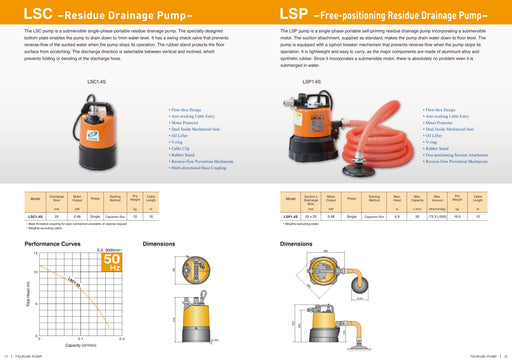
The Tsurumi LSC1.4S is a single-phase submersible portable residue drainage pump designed for ultra low-level water removal down to approximately 1...
View full detailsComplete maintenance kit for ASM D-Series diaphragm pumps, containing essential wear components to restore pump performance and reliability. Design...
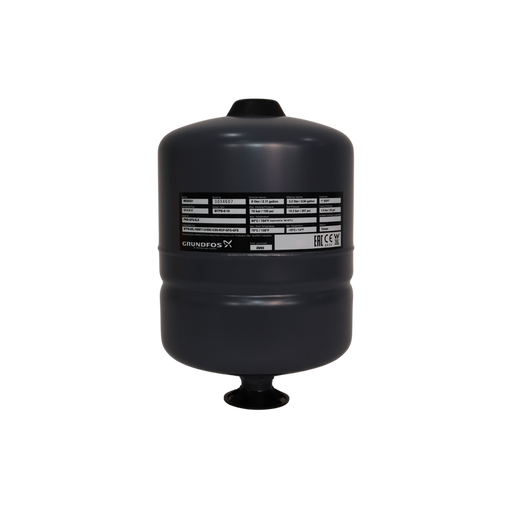
View full detailsThe Grundfos GT-H-18 PN10 G1 V is a compact steel pressure tank designed for drinking water applications. It features a non-toxic butyl rubber d...
View full detailsThe Davey Dynapond 8000 is a submersible centrifugal pond pump designed for continuous operation (24/7) in fountains, pond recirculation, wate...
View full detailsThe Tsurumi LSP1.4S is a single-phase portable self‑priming residue drainage pump incorporating a submersible motor, designed for fast removal of s...
View full details