3000+ Pumps & Parts
Pumps On Sale!
Fast Dispatch
Choosing the right filter sand for swimming pool systems is the cheapest repair most pool owners never make. When water turns cloudy, most people reach for more chlorine, more clarifier and more flocculant. Nine times out of ten the chemicals are not the problem. The sand bed is. Filter sand for swimming pool filters has a working life, and once it wears smooth it stops trapping dirt no matter how long you run the pump. This guide covers the correct grade, the exact quantity by tank size, the warning signs, and what Australian conditions, especially in Western Australia, do to a sand bed.

A sand filter is a sealed tank packed with graded silica. Water from the pool pump enters at the top, pushes down through the bed, and clean water exits through the laterals at the base. The filter sand for swimming pool tanks does not work like a sieve. The grains are sharp and angular, so dirt wedges into the gaps between them. A healthy bed traps particles down to roughly 20 to 40 microns, which is finer than a human hair and fine enough to keep water looking sharp.
That sharpness is the whole trick, and it is also the weakness. Every backwash cycle tumbles the grains against each other. Over three to five years the edges round off, the gaps between grains widen, and the bed starts letting dirt straight through. Worse, oils from sunscreen, body lotion and leaf tannin bind the grains into hard clumps. Water then carves channels through the bed instead of spreading across it. This is called channelling, and it is the single most common reason a pool stays cloudy after every chemical in the shed has been tried.
Bunnings play sand is cheap and it is tempting. Do not do it. Play sand and brickies sand are rounded, unwashed and full of fine dust. The dust blows straight through the laterals and back into your pool, and the round grains compact into a solid plug that chokes flow and spikes pressure. That pressure lands on your pump seals and motor. Replacing a pump because you saved thirty dollars on sand is a bad trade. Only ever use washed, kiln-dried, graded filter sand for swimming pool use.
In Australia the standard is 16/30 grade silica sand, with grains sitting roughly between 0.5mm and 1.0mm. American guides talk about #20 grade at 0.45mm to 0.55mm, which is why overseas advice confuses people. If you are buying filter sand for swimming pool filters in Perth, Melbourne or Brisbane, ask for 16/30. It is sold in 20kg and 25kg bags and it suits almost every domestic tank from Astral, Davey, Onga, Waterco, Hurlcon and Poolrite.
Some larger commercial tanks use a coarse support layer underneath. If your filter manual mentions a bottom layer, that is usually a coarser grade laid over the laterals before the main bed goes in. Getting this backwards is a classic mistake. Fine sand sitting directly on unprotected laterals will find its way into the pool.
Silica is the default. It is the cheapest per bag, it is widely stocked, and it does the job well. Glass media is crushed recycled glass. Manufacturers rate it finer than sand, it resists the oil clumping that kills sand beds, and you generally need about 15 to 20 percent less by weight because it is lighter. It costs more upfront and usually lasts longer. Zeolite media, sold in Australia under names like Zelbrite and Zeo-Clor, is a volcanic mineral that filters finer than standard filter sand for swimming pool tanks and also absorbs ammonia from sweat and urine, which can cut chlorine demand.
The honest summary is this. If you want cheapest and simplest, use 16/30 silica. If you have a busy family pool with heavy sunscreen load, glass or zeolite will hold clarity longer between backwashes and save water. All three drop into the same tank. You do not need new equipment to switch, only a full clean-out of the old bed.
Quantity is set by tank diameter, not by pool size. This trips people up constantly. Use these working figures, then confirm against your filter manual, because every manufacturer sets its own fill line:
Never fill to the top. A sand filter needs empty space above the bed, called freeboard, so the sand can lift and tumble during backwash. If you overfill, the bed cannot expand, backwashing does nothing, and grains get pushed into the multiport valve. Most tanks want the bed at about two thirds of tank height. Underfilling is just as bad, because water skims over the top of a shallow bed and returns to the pool barely filtered.
Water stays cloudy or slightly grey no matter how balanced the chemistry is. Backwash water runs clear within twenty seconds, meaning the bed is not holding dirt in the first place. Filter pressure sits high straight after a backwash instead of dropping back to its clean baseline. You find sand in the pool, on the floor near the returns. Or the bed has been in the tank longer than five years and nobody remembers changing it. Any one of these means it is time to replace the filter sand for swimming pool filtration and stop wasting chemicals.
Western Australia is harder on filter beds than most of the country, and no national pool guide bothers to say so. Perth runs a swim season stretching from October well into April, and many pools in Mandurah, Bunbury, Geraldton, Kalgoorlie, Karratha and Broome run their pumps year round. More running hours means more backwashes, and more backwashes means faster grain wear. A bed that might last five years in Hobart can be finished in three in Perth.
Plenty of WA homes top up from a garden bore. That water often carries dissolved iron, and once it hits chlorinated pool water the iron oxidises and loads straight into the sand bed as a rust-coloured film. Add the fine limestone dust that blows across Perth's sandy suburbs and the coastal salt haze, and a WA sand bed accumulates material a lot faster. If you run bore water, inspect your filter sand for swimming pool duty every two years rather than every five, and expect shorter replacement cycles. Calcium scale from hard water compounds the problem by cementing grains together at the surface.
Fresh sand cannot fix water if the pump is not moving enough volume through it. A sand bed needs a specific flow rate to filter properly and a much higher surge to backwash properly. An undersized, worn or badly matched pump will leave you with a clean bed and dirty water. If your pump is over eight years old, noisy, cutting out on thermal overload, or struggling to prime, change it while the filter is open. Pumptastic stocks pool pumps from the brands WA pool builders actually install, including the Onga LeisureTime range and Davey systems, plus the water filtration equipment that keeps the whole circuit clean.
If your pump hums but will not start, the fault is usually a cheap part rather than the motor. A failed pump capacitor costs less than a bag of sand and is the most commonly misdiagnosed pool pump fault in Australia. Our team is based in WA, we ship Australia wide with free shipping over $100, and you can call our pump specialists on (08) 6384 5884 before you spend a cent.
How often should filter sand for swimming pool filters be replaced?
Every three to five years for most Australian pools. In Western Australia, with long swim seasons and bore water top-ups, three years is a realistic planning figure. Commercial and high-use pools may need it sooner.
What grade of filter sand for swimming pool filters is correct in Australia?
16/30 grade silica sand, roughly 0.5mm to 1.0mm. This is the Australian standard and suits almost every domestic tank. Overseas guides refer to #20 grade, which is the same idea under a different naming system.
Can I use play sand or beach sand instead?
No. Play sand is rounded and dusty, so it compacts, blocks flow and blows through the laterals into your pool. Beach sand carries salt, shell and organic matter. Both will cost you a pump long before they save you money on media.
How much does filter sand for swimming pool replacement cost?
Media itself is usually the cheapest part of the job. The bigger costs are your time, a hire vacuum or scoop, and any worn laterals or valve seals discovered once the tank is open. Replacing media is still far cheaper than running extra chemicals for a year to compensate for a dead bed.
How do I know if my sand is bad or if it is just algae?
Balance your water first, then run the filter for a full 24 hour cycle. If the water is still hazy with correct chlorine, pH and stabiliser levels, the bed is the problem. Algae usually clears with correct chemistry. A dead sand bed does not.
Can I add new sand on top of old sand?
It is not recommended. New grains sitting on a channelled, oil-clumped bed will not fix flow paths and the old layer keeps failing underneath. Remove the whole bed, rinse the tank and start clean.
Do I need to backwash after adding new filter sand?
Yes. Always backwash for two to three minutes and then rinse for thirty to sixty seconds before returning to the filter position. This flushes manufacturing dust and settles the bed evenly. Skipping this step is why people see a cloud of dust enter the pool on first start.
Should I switch to glass media instead of sand?
Glass is worth it if you have heavy bather load, high sunscreen use, or you want fewer backwashes to save water. It costs more upfront and typically lasts longer. Standard silica remains the best value for a lightly used backyard pool.
Why is there sand in the bottom of my pool?
Usually a cracked lateral or a damaged standpipe inside the tank, not the sand itself. Overfilling can also push grains into the multiport valve. Open the tank and inspect the laterals before you order more media.
Does the pump matter as much as the sand?
Yes. Filter sand for swimming pool filtration only performs inside a correct flow range. Too little flow and dirt never reaches the bed evenly. Too much flow and water pushes through too fast to be filtered. Matching pump to filter size matters as much as the media inside the tank.
Fresh media is only half the system. If your pump is tired, undersized, or running on a failing capacitor, you will be back to cloudy water within weeks. Pumptastic is an Australian pump specialist shipping nationwide with free delivery on orders over $100 and fast dispatch. Browse pool pumps, compare Grundfos systems, or call (08) 6384 5884 and tell our team your filter size and pool volume. We will size it properly the first time.
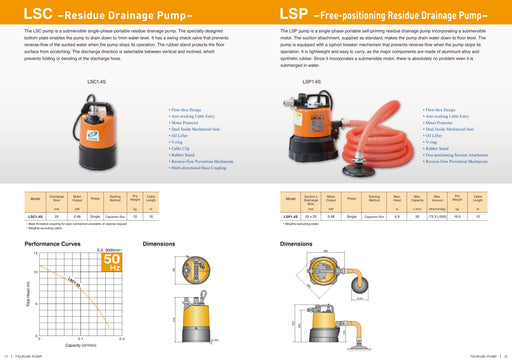
The Tsurumi LSC1.4S is a single-phase submersible portable residue drainage pump designed for ultra low-level water removal down to approximately 1...
View full detailsComplete maintenance kit for ASM D-Series diaphragm pumps, containing essential wear components to restore pump performance and reliability. Design...
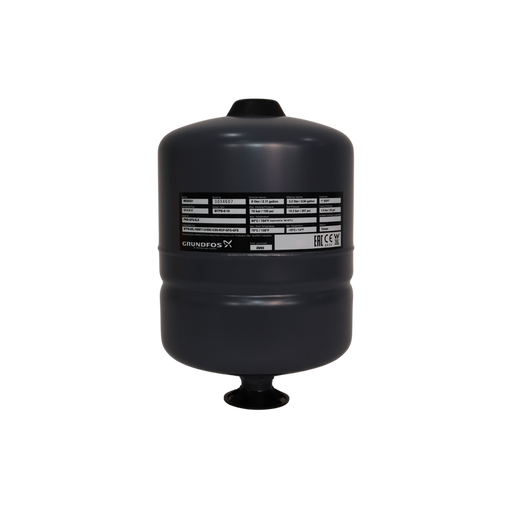
View full detailsThe Grundfos GT-H-18 PN10 G1 V is a compact steel pressure tank designed for drinking water applications. It features a non-toxic butyl rubber d...
View full detailsThe Davey Dynapond 8000 is a submersible centrifugal pond pump designed for continuous operation (24/7) in fountains, pond recirculation, wate...
View full detailsThe Tsurumi LSP1.4S is a single-phase portable self‑priming residue drainage pump incorporating a submersible motor, designed for fast removal of s...
View full details