3000+ Pumps & Parts
Pumps On Sale!
Fast Dispatch
If you need a centrifugal pump for your home, farm, pool or worksite, this guide will save you money and a lot of frustration. A centrifugal pump is the most common water pump sold in Australia, and for good reason. It moves large volumes of water quickly, it has few moving parts, and it lasts for years when it is sized correctly. The problem is that most people buy the wrong one. They pick a pump based on price or horsepower alone, then wonder why the pressure is weak or the motor burns out in summer. At Pumptastic, our team in Western Australia speaks to customers every day who bought the wrong pump elsewhere. This guide explains how a centrifugal pump works, which type suits your job, and how to size one properly for WA conditions, from Perth backyards to Wheatbelt farms and Pilbara sites. You can browse our full centrifugal pump range here or call our pump experts on (08) 6384 5884 for free advice before you spend a cent.

A centrifugal pump uses a spinning impeller inside a casing to move water. The motor spins the impeller at high speed, usually 2,900 rpm on a standard Australian 240V single phase motor. Water enters at the centre of the impeller, called the eye, and gets flung outward by centrifugal force. The volute casing then converts that speed into pressure and pushes the water out through the discharge port. That is the whole trick. No pistons, no diaphragms, just one rotating part.
This simple design is why the centrifugal pump dominates water transfer, irrigation, pool circulation and pressure boosting across Australia. Fewer parts means less maintenance and a lower purchase price. The two numbers that matter when comparing models are flow rate, measured in litres per minute, and head, measured in metres. Head is how high or how far the pump can push water. These two numbers work against each other. The higher you push, the less flow you get. Every quality brand publishes a pump curve showing this trade off, and reading that curve correctly is the single most important step in choosing well.
There are two limits to know. First, a standard centrifugal pump is not great at sucking water up. Most models can only lift water about seven to eight metres on the suction side, and many need to be primed, meaning filled with water before starting. A self priming pump solves this for tank and dam work. Second, running a pump dry or starving it of water causes cavitation, where vapour bubbles collapse against the impeller and chew it apart. If you have ever heard a pump that sounds like it is pumping gravel, that is cavitation, and it kills pumps fast.
Western Australia is hard on pumps. Long hot summers, iron rich bore water, sandy soil and big distances between the water source and where you need it. Here is how we match a centrifugal pump to the most common WA jobs.
For household pressure and rainwater tanks in Perth and regional WA, a horizontal multistage centrifugal pump with an automatic controller is the standard choice. Multistage means several impellers stacked in a row, and each stage adds pressure. This gives you strong, steady mains style pressure for showers, taps and reticulation. The Davey pressure systems with the Torrium2 controller and the Grundfos pressure pumps are our best sellers here because they handle constant stop start use without complaint.
For bores, which supply a huge share of garden and farm water across WA, you need a submersible bore pump. These are slim multistage centrifugal pumps that sit down inside the bore casing, fully submerged, so priming is never an issue. Grundfos SP and SQ series units are the benchmark, with stainless steel construction that stands up to the mineral heavy groundwater common around Perth, the Wheatbelt and the South West.
For farm transfer, dam to tank, and irrigation, a single stage end suction centrifugal pump gives you high flow at moderate pressure. Match the pump outlet size to your pipe, because squeezing high flow through undersized poly pipe wastes power and pressure. For swimming pools, a pool pump is simply a centrifugal pump with a built in strainer basket and corrosion resistant wet end for chlorinated or salt water. For dewatering, sewage and site drainage, submersible units from Tsurumi and Ebara use open or vortex impellers that pass solids without clogging, which is why you see them on construction and mining sites right across WA.
The most expensive mistake is buying on horsepower. A 1.5 kW pump from one brand can outperform a 2.2 kW pump from another, because impeller design and build quality matter more than motor size. Always compare pumps at your actual duty point, meaning the flow you need at the head you need. To work out your head, add the vertical lift from the water surface to the highest outlet, then add friction loss from your pipe run. As a rough rule for typical rural poly runs, add about ten percent to the vertical figure for every hundred metres of pipe, more if the pipe is undersized.
The second mistake is ignoring water quality. Sandy or iron rich WA bore water wears out standard cast iron impellers quickly. Spend more upfront on a stainless steel centrifugal pump and it will outlast a cheap one two or three times over. The third mistake is skipping protection. A dry run cutout or pressure controller costs a fraction of a replacement pump and stops the number one cause of warranty claims, which is running dry when a tank empties or a foot valve fails. Finally, check the electrical basics. Most home and farm pumps run on 240V single phase, while larger irrigation and commercial units need 415V three phase. If your pump hums but will not start, the capacitor is the usual suspect, and we stock replacement capacitors from under ten dollars.
You can buy a centrifugal pump from a marketplace listing with no support, or you can buy from a specialist who will answer the phone when something goes wrong. Pumptastic is a WA based online pump store stocking more than 3,000 pumps and parts from Grundfos, Davey, Onga, Tsurumi and Ebara, all with full Australian manufacturer warranties. Every centrifugal pump we sell is one we can also supply parts and servicing for, which matters five years from now when you need a mechanical seal rather than a whole new unit.
We offer free shipping on orders over $100 Australia wide, with fast dispatch that reaches Perth metro quickly and regional WA, from Geraldton to Albany to Kalgoorlie, without the freight delays you get ordering from east coast sellers. Not sure which model fits your bore, tank setup or paddock? Call our pump experts on (08) 6384 5884 with your flow, lift and pipe details and we will match you to the right centrifugal pump the first time, or send us an enquiry here. Browse the full centrifugal pump range and current pumps on sale today.
A centrifugal pump is used for moving water in homes, farms, pools and industry. Common jobs include household pressure boosting, tank and dam transfer, irrigation, pool circulation, bore water supply and site dewatering across Australia.
A motor spins an impeller, which flings water outward at high speed. The pump casing turns that speed into pressure and pushes water out the discharge pipe. Water is pulled into the centre of the impeller to replace it, creating continuous flow.
A single stage pump has one impeller and delivers high flow at moderate pressure, ideal for transfer and irrigation. A multistage pump stacks several impellers, with each stage adding pressure, making it the better choice for household pressure systems and bores.
No. Running dry destroys the mechanical seal and can warp the impeller within minutes. Fit a dry run protection controller or float switch, especially on tanks and bores in WA where water levels drop over summer.
Quality units start around $400 to $600 for home pressure and pool duties, with premium Grundfos and Davey pressure systems from about $1,000. Larger irrigation, bore and commercial pumps range higher depending on flow, head and materials.
Work out your required flow in litres per minute and your total head, which is vertical lift plus pipe friction loss. Then choose a pump whose curve meets that duty point. Call Pumptastic on (08) 6384 5884 and we will size it for free.
Grundfos, Davey, Onga, Ebara and Tsurumi are the most trusted brands sold in Australia, each with local parts and warranty support. The best brand depends on the job, so match the model to your duty rather than picking on name alone.
The usual causes are a blocked or leaking suction line, a worn impeller, a failing mechanical seal, or air getting into the system. On bore setups, a dropping water table over a WA summer can also starve the pump.
Yes. A pool pump is a centrifugal design with an added strainer basket and corrosion resistant materials for chlorinated and salt water. Sizing it to your filter and pipe work keeps running costs down.
Yes. Pumptastic dispatches fast Australia wide via Australia Post, with free shipping on orders over $100, covering Perth metro and regional WA including Bunbury, Geraldton, Albany, Kalgoorlie and the North West.
Ready to buy? Shop the full centrifugal pump range at Pumptastic, or call (08) 6384 5884 for free expert sizing advice before you order.
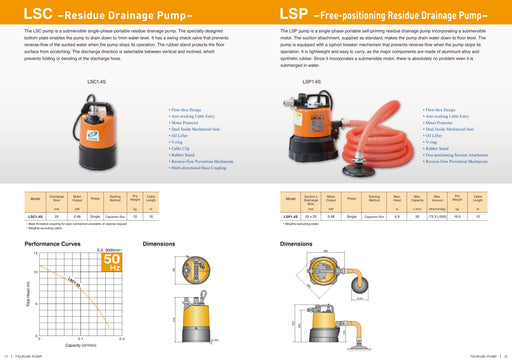
The Tsurumi LSC1.4S is a single-phase submersible portable residue drainage pump designed for ultra low-level water removal down to approximately 1...
View full detailsComplete maintenance kit for ASM D-Series diaphragm pumps, containing essential wear components to restore pump performance and reliability. Design...
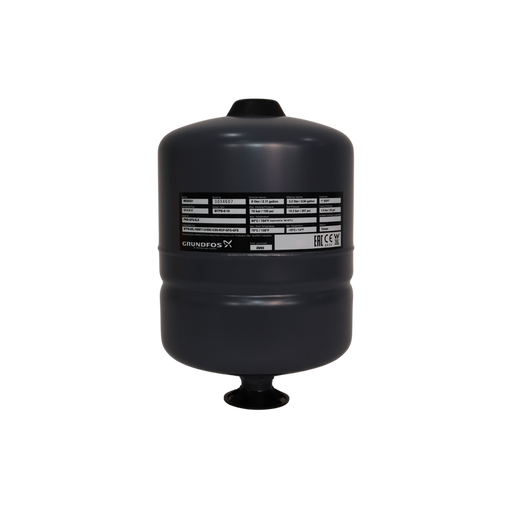
View full detailsThe Grundfos GT-H-18 PN10 G1 V is a compact steel pressure tank designed for drinking water applications. It features a non-toxic butyl rubber d...
View full detailsThe Davey Dynapond 8000 is a submersible centrifugal pond pump designed for continuous operation (24/7) in fountains, pond recirculation, wate...
View full detailsThe Tsurumi LSP1.4S is a single-phase portable self‑priming residue drainage pump incorporating a submersible motor, designed for fast removal of s...
View full details