3000+ Pumps & Parts
Pumps On Sale!
Fast Dispatch
Choosing the right submersible pump for dirty water is the difference between a flooded shed cleared in minutes and a burnt-out motor by the weekend. If you are dealing with stormwater, a muddy pit, a flooded basement, dam transfer or trade waste, an ordinary clean-water pump will clog and fail. A purpose-built dirty water pump is engineered to pass solids, resist abrasion and run hard in exactly the conditions that ruin lesser equipment. This guide explains how these pumps work, how to size one correctly, and which models perform best in Australian conditions.
A submersible pump for dirty water is a sealed electric pump that operates fully underwater and is designed to move liquid carrying suspended solids such as mud, silt, sand, leaves and small debris. Because the motor sits inside a waterproof housing rated to IP68 and is cooled by the surrounding liquid, the unit can run continuously while submerged. The defining feature is the impeller and inlet design, which uses wide passages so grit and debris flow straight through instead of jamming. These pumps are the workhorses of dewatering, drainage, sump duty and wastewater across homes, farms, construction sites and mines.
The temptation is to grab whatever pump is on the shelf, but a clean-water pump is built only for relatively clear water with fine particles. Push debris-laden water through it and the tight tolerances clog almost immediately. A dirty water submersible pump uses a vortex or semi-open impeller and a larger inlet so it can pass solids, commonly between 10 mm and 50 mm depending on the model. If your water carries anything more than fine sediment, a dedicated dirty water pump is the only sensible choice.
Solids passage is the single most important spec. Check the maximum particle diameter the pump can handle, then match it to your worst-case debris. Vortex impellers spin the liquid to keep solids away from the moving parts, which suits leaves and stringy material. Semi-open and open-channel impellers move higher volumes of gritty water and suit construction dewatering.
Flow rate, measured in litres per minute, tells you how fast the pump empties an area. Head height, measured in metres, tells you how far it can lift water vertically through your hose. Both must comfortably exceed your job requirement, because every bend, rise and metre of hose reduces real-world performance.
An automatic float switch starts and stops the pump as the water level rises and falls. This protects against dry running, saves power and lets the pump look after a sump or pit unattended. For permanent installations a reliable float switch and a matched pump controller are well worth the small extra cost.
Look for cast iron or stainless steel construction, twin mechanical seals to keep water out of the motor, and built-in thermal overload protection. These features are what separate a pump that survives years of abrasive duty from one that fails in a season.
For tough, gritty, continuous duty, the Tsurumi submersible drainage pumps are hard to beat. Japanese engineered with abrasion-resistant components, twin mechanical seals and thermal cut-outs, the HS and HSZ series clear muddy water on building sites, mine seepage and storm-affected properties with ease.
The Grundfos Unilift drainage pumps handle dirty water and wastewater with stainless steel housings, while the Grundfos SEG sewage pumps add grinder technology for solids-heavy waste. Both are proven, efficient and ideal where reliability is non-negotiable.
For domestic basements, tanks and lighter drainage, our broader range of sump pumps from Davey, Onga and Ebara delivers dependable performance at a sensible price. For groundwater and rural supply, browse our submersible bore pumps.
Pumptastic dispatches from our Western Australia facility, so customers in Perth, Mandurah, Bunbury, Geraldton and across the Pilbara get fast local turnaround, with reliable shipping to every other state. WA conditions are demanding, with sandy bores, abrasive run-off and long hot summers, which is exactly why we stock pumps built for grit and heat. Our team gives honest, expert advice and transparent online pricing, so you can compare and buy without waiting on a quote.
Always power your pump through a residual current device for safety, never let it run dry, and make sure your pit is large enough that the float switch cannot jam. After heavy use, rinse the pump, clear the inlet screen and check the cable and seals. This simple care routine adds years to the life of any dirty water submersible pump.
With thousands of pumps and parts in stock, free shipping on orders over $100, fast WA dispatch and genuine expert support, Pumptastic makes it easy to get the right pump the first time. If you are unsure which model suits your job, contact our pump experts and we will match a pump to your flow, head and debris in minutes.
1. Can a submersible pump handle dirty water?
Yes, but only if it is a dedicated dirty water model. These pumps use a vortex or semi-open impeller and a wide inlet so they pass mud, silt, leaves and small solids without clogging. A standard clean-water pump will block almost immediately in the same conditions.
2. What is the difference between a clean water and a dirty water submersible pump?
A clean water pump is built for clear or lightly sedimented water and has tight internal tolerances. A dirty water submersible pump has larger passages and a tougher impeller so it can move water containing solids, commonly up to 35 mm or more, depending on the model.
3. What size solids can a dirty water submersible pump pass?
It depends on the model. Many domestic drainage pumps pass solids around 10 mm to 35 mm, while heavy-duty dewatering and vortex pumps can pass larger debris. Always check the maximum particle size on the spec sheet and match it to your worst-case debris.
4. Can I use a submersible pump for sewage or wastewater?
Yes, but you need a sewage or wastewater pump such as a grinder or vortex model. The Grundfos SEG and Unilift APG ranges are designed for solids-laden waste, whereas a general drainage pump is best kept to stormwater and muddy water.
5. How do I choose the right size submersible pump for dirty water?
Match three numbers to your job: solids passage in millimetres, flow rate in litres per minute, and head height in metres. Your pump should comfortably exceed the requirement, because hose length, bends and lift all reduce real-world output.
6. Do dirty water submersible pumps come with an automatic float switch?
Many do. An automatic float switch turns the pump on and off with the water level, which prevents dry running and saves power. Manual models are also available where you want full control or are running a temporary dewatering job.
7. How long do submersible pumps last?
With correct use and basic maintenance, a quality submersible pump typically lasts five to ten years or more. Avoiding dry running, rinsing after dirty duty and clearing the inlet screen are the main factors that extend its life.
8. Are these pumps suitable for Western Australia conditions?
Yes. The brands we stock, including Tsurumi, Grundfos and Davey, are built for abrasive, sandy and high-heat conditions common across WA. Pumptastic dispatches from Western Australia for fast local delivery to Perth and regional areas.
9. Can a submersible pump run dry?
No. Running dry overheats and damages the motor. Thermal cut-outs offer emergency protection only, not level control. Use a correctly set float switch and ensure the pump stays submerged during operation.
10. Where can I buy a submersible pump for dirty water online in Australia?
Pumptastic stocks a full range of dirty water, drainage and sewage submersible pumps with transparent online pricing, free shipping over $100 and Australia-wide delivery. Call (08) 6384 5884 for expert help selecting the right model.
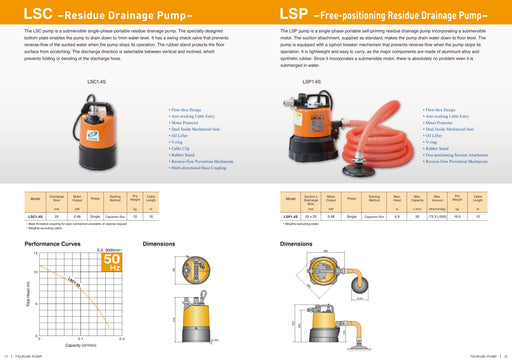
The Tsurumi LSC1.4S is a single-phase submersible portable residue drainage pump designed for ultra low-level water removal down to approximately 1...
View full detailsComplete maintenance kit for ASM D-Series diaphragm pumps, containing essential wear components to restore pump performance and reliability. Design...
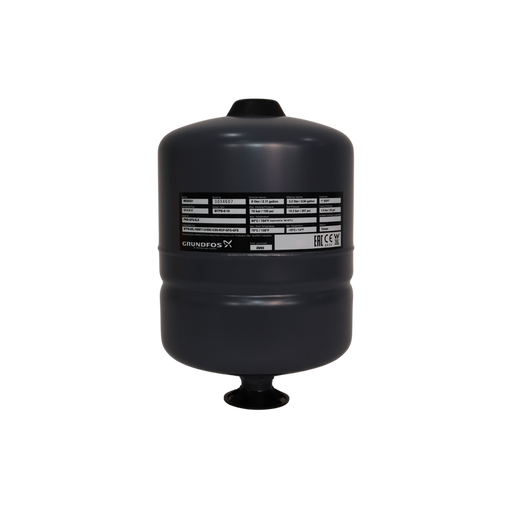
View full detailsThe Grundfos GT-H-18 PN10 G1 V is a compact steel pressure tank designed for drinking water applications. It features a non-toxic butyl rubber d...
View full detailsThe Davey Dynapond 8000 is a submersible centrifugal pond pump designed for continuous operation (24/7) in fountains, pond recirculation, wate...
View full detailsThe Tsurumi LSP1.4S is a single-phase portable self‑priming residue drainage pump incorporating a submersible motor, designed for fast removal of s...
View full details