3000+ Pumps & Parts
Pumps On Sale!
Fast Dispatch
There is nothing quite as frustrating as a shower that dribbles, a washing machine that takes forever to fill, or a garden hose that barely reaches the roses. If your taps are gasping instead of flowing, a pressure water pump is almost always the answer. Across Australia, from Perth suburbs on tank water to two-storey homes in regional WA, a properly sized pressure water pump restores strong, steady flow to every outlet in the house. This guide explains how these pumps work, how to choose one, and what you can expect to pay.

A pressure water pump is a device that boosts the force of water travelling through your plumbing so that every tap, shower and appliance receives a consistent, powerful flow. It draws water from a source such as a rainwater tank, bore, well or mains supply, then uses a motor-driven impeller to increase pressure before pushing it through your pipes. Homes that rely on rainwater tanks, and households spread across multiple storeys, benefit the most, because gravity alone cannot deliver enough pressure to keep showers and sprinklers performing.
Every pressure water pump shares four core parts: a motor, one or more impellers, an inlet and outlet, and a pressure or flow sensor. When you open a tap, pressure in the line drops. The sensor detects this and signals the motor to spin the impeller, which flings water outward and converts that motion into pressure. The pump keeps running until you close the tap and the system reaches its preset level, then it switches off automatically. Modern units, such as the intelligent SCALA range, adjust their speed in real time so the pressure stays constant no matter how many outlets are running at once.
The clearest sign is weak flow when more than one tap is open, such as a shower that fades the moment someone runs the kitchen sink. Other clues include slow-filling toilets and washing machines, sprinklers that will not pop up properly, and noticeably weaker pressure on upper floors. If you have just installed a rainwater tank and the flow feels gutless, you almost certainly need a pump to lift that water to usable pressure.
Jet pumps are self-priming and excellent at drawing water over long distances or from deeper sources like dams and underground tanks. They handle air well, making them ideal where the suction run is long or awkward.
The most popular choice for homes, multistage pumps use several impellers to deliver excellent pressure and flow efficiently. They suit medium to large houses and long pipe runs.
The newest technology, variable speed pumps adjust output to match demand, making them the quietest and most energy-efficient option on the market.
Placed directly inside a tank or bore, submersible pumps run almost silently and are a great choice for drinking water and discreet installations.
Match the pump to your home, not just the price tag. Consider how many bathrooms you have, whether the house is single or double storey, the distance from your water source, and your flow needs. A four-bedroom, two-storey home needs far more pressure than a compact unit. Browse our full pressure pump range or call our team for a tailored recommendation.
A quality domestic pressure water pump typically ranges from around $400 for a simple jet pump to roughly $900 to $1,300 for a premium variable speed or constant pressure system. Professional installation adds to that, depending on plumbing and electrical work. Constant pressure models cost more upfront but save on running costs over years of use, which matters in a country where pumps work hard through long, dry summers.
WA homes face unique demands: scorching summers, heavy reliance on rainwater tanks and bores, and large blocks with thirsty gardens. We stock pumps proven in exactly these conditions, including a dedicated Grundfos WA range and the trusted Davey pressure systems built for Australian engineering standards. Based in Perth, our team understands local water conditions firsthand.
Always fit a bypass so the pump can be isolated if it ever fails. Use flexible connectors rather than rigid copper to keep vibration and noise down. Pair your pump with a quality pressure tank to stabilise output and reduce wear from rapid cycling. Keep filters clean and check the system once or twice a year.
We are an Australian online pump specialist stocking over 3,000 pumps and parts, with free shipping on orders over $100 and fast dispatch Australia-wide. Unsure what you need? Our pump experts give real, honest advice on the right pressure pump for your home. Call (08) 6384 5884 and talk to a specialist today.
1. What does a pressure water pump do? A pressure water pump boosts the force of water moving through your plumbing so every tap, shower and appliance gets strong, consistent flow. It draws water from a tank, bore or mains supply and uses a motor-driven impeller to raise the pressure before pushing it through your pipes.
2. How do I know if I need a pressure water pump? You likely need one if water pressure drops when two taps run at once, if showers on upper floors are weak, if sprinklers will not pop up, or if you have just installed a rainwater tank and the flow feels gutless. These are the classic symptoms of insufficient pressure that a pump resolves.
3. How much does a pressure water pump cost in Australia?
A domestic pressure water pump usually costs between $400 for a basic jet pump and around $900 to $1,300 for a premium variable speed or constant pressure system. Professional installation is extra and depends on your plumbing and electrical setup.
4. What size pressure pump do I need for my house?
Pump size depends on the number of bathrooms, whether your home is single or double storey, the distance to your water source, and your flow demand. A large two-storey home needs a multistage or variable speed pump, while a small single-storey home can run a compact unit. Our team can size it for you.
5. What is the difference between a jet pump and a multistage pump?
A jet pump is self-priming and great for drawing water over long distances or from deep sources like dams. A multistage pump uses multiple impellers to deliver higher pressure and flow more efficiently, making it the most popular choice for everyday household use.
6. Are pressure water pumps noisy?
Modern pumps are remarkably quiet. Some variable speed models run as low as 47 decibels, quiet enough to install near living areas or bedrooms. Using flexible connectors instead of rigid copper pipe and mounting the pump on a stable surface reduces noise further.
7. Can a pressure pump run on rainwater tank water?
Yes. This is one of the most common uses in Australia. A pressure pump lifts stored rainwater from your tank to usable household pressure, letting you run showers, washing machines and garden irrigation from collected water.
8. Do I need a pressure tank with my pump?
A pressure tank is highly recommended. It stabilises output, reduces rapid on-off cycling, and extends the life of your pump. Many constant pressure and booster systems include or pair with a tank for exactly this reason.
9. How long does a pressure water pump last?
With proper installation and basic maintenance, a quality pressure pump typically lasts 8 to 15 years. Keeping filters clean, avoiding dry running, and pairing the pump with a pressure tank all extend its working life.
10. Can I install a pressure water pump myself?
Some confident DIYers install their own pumps, but because the job involves both plumbing and electrical connections, most homeowners use a licensed plumber or electrician. Correct installation protects your warranty and prevents leaks, cycling and premature failure.
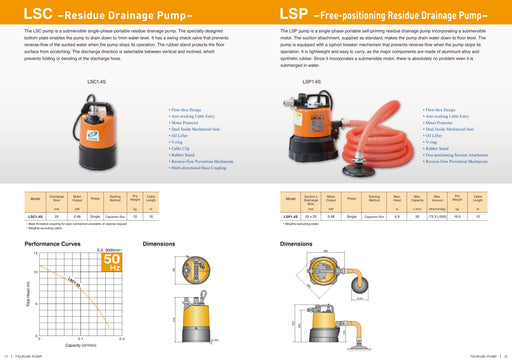
The Tsurumi LSC1.4S is a single-phase submersible portable residue drainage pump designed for ultra low-level water removal down to approximately 1...
View full detailsComplete maintenance kit for ASM D-Series diaphragm pumps, containing essential wear components to restore pump performance and reliability. Design...
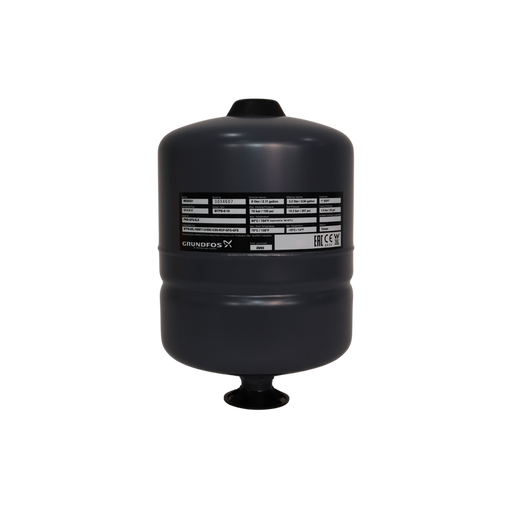
View full detailsThe Grundfos GT-H-18 PN10 G1 V is a compact steel pressure tank designed for drinking water applications. It features a non-toxic butyl rubber d...
View full detailsThe Davey Dynapond 8000 is a submersible centrifugal pond pump designed for continuous operation (24/7) in fountains, pond recirculation, wate...
View full detailsThe Tsurumi LSP1.4S is a single-phase portable self‑priming residue drainage pump incorporating a submersible motor, designed for fast removal of s...
View full details