3000+ Pumps & Parts
Pumps On Sale!
Fast Dispatch
A solar powered water pump lets you move water anywhere the sun shines, with no power bills, no diesel runs and no mains connection. For farms, stations and rural blocks across Western Australia, that is a big deal. Grid power rarely reaches the back paddock, and running a generator gets expensive fast. In this guide, the team at Pumptastic explains how solar pumping works, which type suits your job, how to size it right and what it really costs. By the end, you will know exactly what to buy and why.

A solar powered water pump is a pump driven by electricity from photovoltaic (solar) panels instead of the grid or a fuel engine. Most modern systems use an efficient brushless DC motor paired with a controller. The controller, often with MPPT (maximum power point tracking) technology, squeezes the most power out of your panels as light conditions change through the day.
The setup is simple. Panels catch sunlight and turn it into DC power. The controller manages that power and protects the pump from dry running, low voltage and overload. The pump then lifts water from a bore, dam, creek or tank and pushes it to where you need it. Many systems run without a battery at all. They pump hard during daylight hours and store water in a tank, which then gravity feeds troughs or the house overnight. Storing water is far cheaper than storing electricity, so a good tank often beats a battery bank.
Western Australia is one of the sunniest places on earth, which makes it perfect solar pumping country. From the Wheatbelt to the Gascoyne, the Pilbara and the Kimberley, properties deal with long distances, remote paddocks and no easy access to mains power. Hauling diesel to a generator every few days costs money and time. A solar pump replaces all of that with free energy from the sun.
Solar pumping also builds drought resilience. When stock water is critical in a dry summer, a well designed solar system keeps troughs full without you lifting a finger. Compared with an old windmill, there is no climbing towers to fix gearboxes, and unlike wind, sunshine in WA is remarkably consistent. Farmers in the Great Southern, Mid West and South West are switching for exactly these reasons. City buyers benefit too. Perth gardeners use solar pumps for ponds, fountains and rainwater tanks where running a cable is not practical.
Solar bore pumps are submersible pumps that sit down the bore and lift groundwater to the surface. They are the workhorses of rural water supply, filling stock tanks and troughs day after day. Quality submersible bore pumps from brands like Grundfos are built in stainless steel to handle Australian bore water for years. For deeper bores and higher flows, the Grundfos SP borehole range is a proven performer, while the compact Grundfos SQ and SQE series suits smaller bores and household supply.
Surface pumps sit above ground and move water from dams, tanks, creeks or rivers. They are ideal for transferring water between tanks, feeding drip irrigation or supplying a house from a rainwater tank. Because they connect straight to panels through a controller, they start automatically when the sun comes up and stop at dusk.
Smaller solar pumps keep garden ponds, fountains and bird baths moving without wiring. They are a quick DIY job. Place the panel in full sun, drop the pump in the water and you are done. They suit decorative features, though fish ponds that need constant oxygen should keep a mains pump or add battery backup.
Sizing comes down to two numbers: flow and head. Flow is how much water you need each day, measured in litres per hour or litres per day. Head is the total vertical lift from the water level to the outlet, plus friction losses in the pipe. A pump that is perfect at 20 metres of head may deliver very little at 60 metres, so both numbers matter.
Panel sizing matters just as much. As a general rule, allow around 1.5 to 2 times the pump motor rating in panel wattage so the pump reaches full flow even in average light. Undersized panels are the most common cause of disappointing solar pump performance. If you are unsure, call the Pumptastic team with your bore depth, daily water needs and pipe run, and we will match a pump and panel setup to your exact site.
A solar pumping system costs more upfront than a basic electric pump, but the running cost is close to zero. There is no fuel, no power bill and very little maintenance beyond keeping the panels clean. Against a diesel generator setup, a solar system typically pays for itself within a few years through fuel and servicing savings alone, then keeps delivering free water for a decade or more. Pairing your pump with a storage tank and a pressure tank or pump controller gives you steady household pressure without wasting energy.
Start with your water source: bore, dam, tank or creek. Then work out your daily water demand, total head and how far the water must travel. Choose a pump built for Australian conditions from a brand with local parts support. Pumptastic stocks trusted names like Grundfos and Davey, ships Australia wide with free shipping over $100, and backs every sale with real pump experts in WA you can actually call.
The right solar powered water pump saves you money every single day it runs. Call Pumptastic on (08) 6384 5884 or contact us online and we will spec the perfect system for your bore, farm or garden. Fast dispatch, expert advice and free shipping over $100, Australia wide.
1. How does a solar powered water pump work?
Solar panels convert sunlight into DC electricity, a controller manages the power and protects the motor, and the pump lifts water from your bore, dam or tank. Most systems pump during daylight and store water in a tank for use at night.
2. Do solar water pumps need batteries?
No, most do not. It is cheaper to store water in a tank than electricity in a battery. Batteries are only worth adding if you must pump at night or run a fountain after dark.
3. Will a solar pump work on cloudy days?
Yes, but at reduced flow. Panels still produce power in overcast conditions, just less of it. Sizing your panels at 1.5 to 2 times the pump motor rating helps maintain good flow in average light.
4. Can a solar pump lift water from a deep bore?
Yes. Solar submersible bore pumps can lift water from well over 100 metres deep when correctly matched to the bore depth, flow requirement and panel array. Deeper bores simply need more panel power.
5. How much does a solar powered water pump cost in Australia?
Small pond and fountain kits start under a few hundred dollars. Farm-grade bore and transfer systems cost more upfront, but they usually pay for themselves within a few years compared with diesel pumping.
6. What size solar pump do I need for stock water?
Work out your daily demand first. As a rough guide, cattle drink 40 to 100 litres per head per day in hot weather and sheep around 4 to 10 litres. Match that daily volume plus your total head to the pump curve, or call us and we will size it for you.
7. Are solar water pumps good for Western Australia?
They are ideal. WA has some of the highest solar radiation in the world, and huge areas of farmland sit far from grid power. That combination makes solar pumping one of the most cost-effective water solutions in the state.
8. How long does a solar water pump last?
Quality stainless steel bore pumps from brands like Grundfos commonly run for 10 years or more with correct sizing. Small decorative pond pumps typically last 2 to 3 years. Panels themselves often last 20 years plus.
9. Solar pump vs windmill: which is better?
Solar wins on maintenance and safety. There are no towers to climb, no gearboxes to grease and no reliance on wind. Sunshine in most of Australia is also more consistent than wind, so water delivery is more predictable.
10. Where can I buy a solar powered water pump in Australia?
Pumptastic ships pumps, controllers, tanks and parts Australia wide with free shipping over $100 and fast dispatch. Call our WA-based pump experts on (08) 6384 5884 for free sizing advice before you buy.
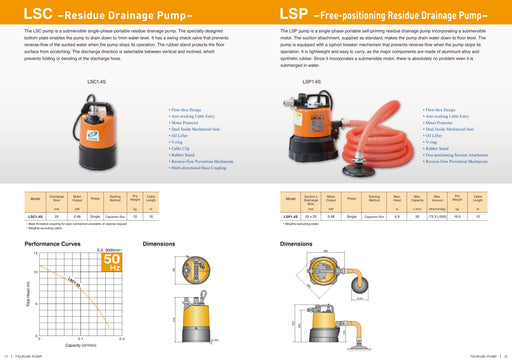
The Tsurumi LSC1.4S is a single-phase submersible portable residue drainage pump designed for ultra low-level water removal down to approximately 1...
View full detailsComplete maintenance kit for ASM D-Series diaphragm pumps, containing essential wear components to restore pump performance and reliability. Design...
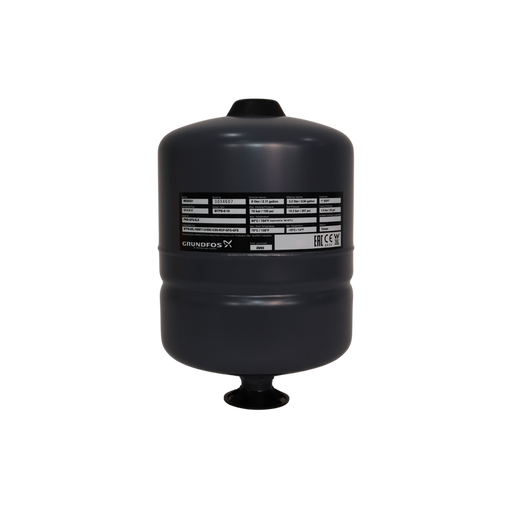
View full detailsThe Grundfos GT-H-18 PN10 G1 V is a compact steel pressure tank designed for drinking water applications. It features a non-toxic butyl rubber d...
View full detailsThe Davey Dynapond 8000 is a submersible centrifugal pond pump designed for continuous operation (24/7) in fountains, pond recirculation, wate...
View full detailsThe Tsurumi LSP1.4S is a single-phase portable self‑priming residue drainage pump incorporating a submersible motor, designed for fast removal of s...
View full details