3000+ Pumps & Parts
Pumps On Sale!
Fast Dispatch

Choosing the wrong pump is one of the fastest ways to burn money in industrial operations. Not because the pump doesn’t work but because it doesn’t last, doesn’t match the application, or fails under pressure.
If you’re working in mining, wastewater, or agriculture in Australia, you’re dealing with harsh conditions: abrasive materials, inconsistent flow, solids-heavy liquids, and unpredictable environments. This is exactly where ASM D-Series diaphragm pumps are designed to dominate but only if you select the correct size and material.
Most people don’t. That’s the problem.
Before choosing size or material, understand what makes the D-Series different. Otherwise, you’re just guessing.
ASM D-Series pumps are fully self-priming up to 7 metres, meaning:
No manual priming delays
Faster deployment in remote sites
Reliable suction even with intermittent fluid supply
In mining or irrigation, where conditions constantly change, this is a major advantage.
This is where most pumps fail and where ASM wins.
The D-Series can handle solids up to 80% of the port diameter, making it ideal for:
Slurry and sludge
Sediment-heavy water
Industrial waste fluids
If your pump clogs, your operation stops. This feature alone prevents that.
Most pumps destroy themselves when they run dry.
ASM D-Series doesn’t.
Can operate without liquid temporarily
Reduces risk of catastrophic failure
Ideal for unpredictable supply conditions
This is critical in Australian environments where consistency is a luxury.
This is where most buyers get it wrong they either oversize (wasting energy) or undersize (causing failure).
1” (25mm) – Small transfer jobs
1.5” (38mm) – Light industrial or agriculture
2” (50mm) – Medium-duty applications
3” (75–80mm) – Heavy-duty mining and wastewater
From approximately 23 L/min up to 240 L/min
Choose 2” to 3” pumps
Needed for high solids and heavy slurry
Prioritise durability over efficiency
Typically 1.5” to 2”
Balance between flow rate and clog resistance
1” to 2” depending on irrigation scale
Focus on efficiency and portability
Bigger is not always better.
Oversized pump = wasted energy + higher costs
Undersized pump = overload + premature failure
Correct sizing = long-term savings
This is where real performance is decided.
You don’t choose material based on availability you choose it based on fluid characteristics.
Aluminium – Lightweight, general-purpose
Cast Iron – Heavy-duty, abrasion-resistant
Bronze – Corrosion-resistant (saltwater, chemicals)
Stainless Steel – Maximum corrosion resistance
Specialty Alloys – Extreme chemical or industrial use
Use Cast Iron or Specialty Alloys
Handles abrasive slurry and extreme wear
Use Stainless Steel or Bronze
Resists corrosion and chemical exposure
Use Aluminium or Cast Iron
Cost-effective and durable for irrigation
Let’s not sugarcoat it:
Wrong material = corrosion
Corrosion = leaks
Leaks = failure
And failure = downtime + lost money
Here’s what competitors don’t emphasize enough:
Self-priming reduces downtime
Dry-run capability prevents failures
High solids handling eliminates clogging
This combination is rare.
Most pumps do one well.
ASM does all three.
Even the best pump will fail if you neglect maintenance or worse, use the wrong parts.
Key components you’ll eventually need:
Diaphragms
Valve seats
Flap valves
Bearings
Eccentric assemblies
If you’re sourcing these from unreliable suppliers, you’re creating your own problems.
You can get the correct, genuine parts here:
👉 https://pumptastic.com.au/collections/shop-asm-pumps-online
Not all liquids behave the same. Slurry ≠ water.
Cheap upfront = expensive long-term.
This is one of the biggest causes of pump failure.
If parts aren’t available locally, downtime increases.
If your operation depends on:
Consistent fluid transfer
Handling solids
Operating in unpredictable environments
Then you don’t need “a pump.”
You need the right pump, correctly sized, with the right material.
Anything less is a liability.
Don’t wait for failure to force your decision.
Browse the full range of ASM D-Series parts and components here:
👉 https://pumptastic.com.au/collections/shop-asm-pumps-online
Get the right setup. Avoid downtime. Keep your operation running.
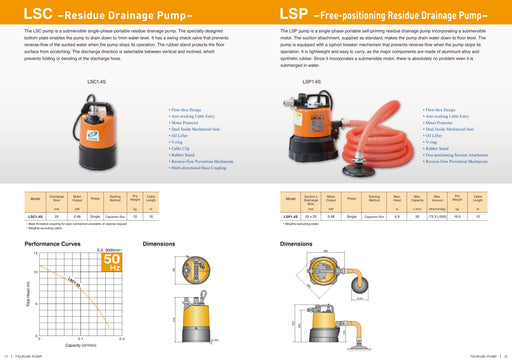
The Tsurumi LSC1.4S is a single-phase submersible portable residue drainage pump designed for ultra low-level water removal down to approximately 1...
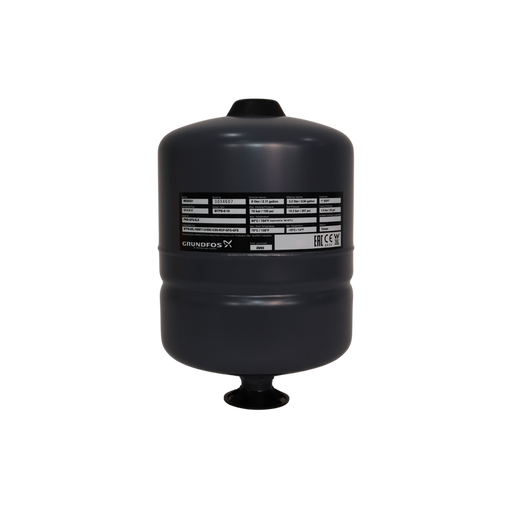
View full detailsThe Grundfos GT-H-18 PN10 G1 V is a compact steel pressure tank designed for drinking water applications. It features a non-toxic butyl rubber d...
View full detailsThe Davey Dynapond 8000 is a submersible centrifugal pond pump designed for continuous operation (24/7) in fountains, pond recirculation, wate...
View full detailsThe Tsurumi LSP1.4S is a single-phase portable self‑priming residue drainage pump incorporating a submersible motor, designed for fast removal of s...
View full detailsThis multi-purpose capacitor for a variety of AC applications. It incorporates a plastic housing. Suitable for pool pump, submersible pump, bore pu...
View full details