3000+ Pumps & Parts
Pumps On Sale!
Fast Dispatch

Winter may not bring snow across most of Australia, but colder nights, moisture, and reduced water usage can quietly damage pump systems. Many pump failures in Western Australia happen after winter, not during it. The cause is poor preparation.
If you rely on a pressure pump, bore pump, irrigation pump, or filtration system, learning how to winterise water pump systems properly protects performance, extends lifespan, and prevents expensive repairs.
Australian winters are deceptive. In WA, especially regional and semi rural areas, overnight temperatures drop enough to cause condensation, internal corrosion, seal failure, and pressure loss. Reduced water demand also means pumps sit idle longer, increasing the risk of stagnant water, scale build up, and mechanical seizure.
Winterising water pump systems is not about extreme cold. It is about controlling moisture, inactivity, and wear during low usage months.
Household pressure pumps, rainwater tank pumps, pool pumps, and filtration systems should all be winterised. Even suburban homes experience moisture ingress and reduced cycling that leads to seal damage.
Bore pumps, irrigation pumps, transfer pumps, and stock water systems in regional WA are most at risk. Long pipe runs, exposed pump sheds, and metal fittings amplify winter damage.
Commercial pump systems often run year round but still face risks from condensation, sludge accumulation, and electrical moisture exposure during winter.
Before shutting anything down, inspect the pump casing, fittings, valves, and pipe joints. Look for leaks, rust, vibration marks, or worn seals. Winter will worsen existing faults.
Turn off electrical supply at the isolator and shut the water source feeding the pump. Lockout procedures are essential for safety on larger systems.
Drain water completely from the pump housing, pressure tank, filters, and exposed pipework. Standing water leads to corrosion and internal damage during winter inactivity.
For bore and submersible pumps, ensure surface components and control valves are drained even if the pump remains installed.
Remove and clean cartridge filters, strainers, and pre filters. Sediment left sitting over winter hardens and restricts flow when the system restarts.
This is one of the most skipped steps and one of the most costly mistakes.
Cover outdoor pumps with weather resistant insulation or pump covers that allow airflow. Never seal pumps in plastic. Trapped moisture causes more damage than cold air.
In WA coastal areas, salt moisture protection is critical.
Inspect non return valves, mechanical seals, and pressure tank diaphragms. Replace worn components before winter. Seals that fail during low usage often leak once pressure returns.
• Loss of prime after winter shutdown
• Electrical corrosion from condensation
• Seal failure due to inactivity
• Reduced pressure caused by blocked filters
• Cracked fittings in exposed pipework
Most of these problems are preventable with proper winterising.
• Leaving water inside the pump
• Wrapping pumps in airtight plastic
• Ignoring filters and strainers
• Skipping inspections because winters feel mild
• Restarting pumps without flushing systems
These shortcuts save minutes now and cost thousands later.
DIY winterising works for basic residential systems if done correctly. However, rural, commercial, and multi pump systems benefit from professional servicing.
A professional inspection identifies hidden issues like motor moisture, bearing wear, and pressure tank faults that DIY checks miss.
If pump reliability matters to your operation, professional winterising is a smart investment.
Do water pumps really need winterising in Australia?
Yes. Even mild winters cause condensation, corrosion, and seal damage, especially in WA regions with cold nights.
When should I winterise my pump system in WA?
Late autumn is ideal, before regular cold nights begin and before pump usage drops significantly.
Should I turn off my pump completely during winter?
If water demand is minimal, yes. But ensure the system is properly drained and protected first.
Can winter damage shorten pump lifespan?
Absolutely. Poor winter care is a leading cause of premature pump failure in Australia.
What is the most common winter pump mistake?
Leaving water inside filters and housings. This causes blockages and corrosion that appear when the pump restarts.
Winterising water pump systems is not optional maintenance. It is risk management.
If you are unsure how to prepare your pump, speak with a specialist before winter damage locks in. Proper winterising saves money, extends pump life, and ensures reliable performance when demand returns.
For expert advice, product support, and pump system servicing, visit Pumptastic or use the Contact us page to speak with a pump specialist.
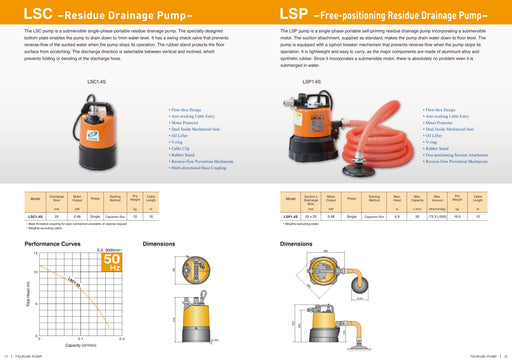
The Tsurumi LSC1.4S is a single-phase submersible portable residue drainage pump designed for ultra low-level water removal down to approximately 1...
View full detailsComplete maintenance kit for ASM D-Series diaphragm pumps, containing essential wear components to restore pump performance and reliability. Design...
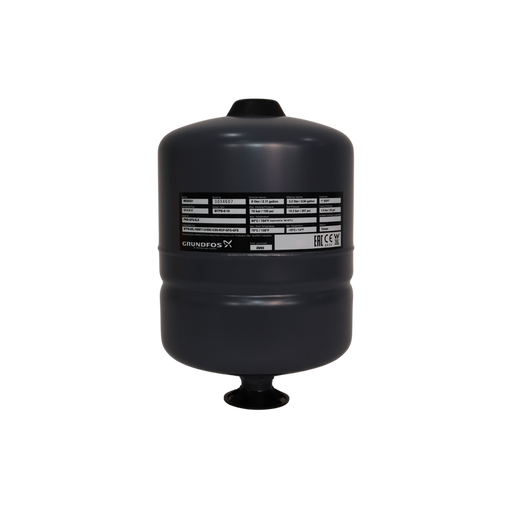
View full detailsThe Grundfos GT-H-18 PN10 G1 V is a compact steel pressure tank designed for drinking water applications. It features a non-toxic butyl rubber d...
View full detailsThe Davey Dynapond 8000 is a submersible centrifugal pond pump designed for continuous operation (24/7) in fountains, pond recirculation, wate...
View full detailsThe Tsurumi LSP1.4S is a single-phase portable self‑priming residue drainage pump incorporating a submersible motor, designed for fast removal of s...
View full details