3000+ Pumps & Parts
Pumps On Sale!
Fast Dispatch

Clean water and reliable pressure are non negotiable for Australian households, farms, and commercial sites. Whether you are running on mains water, rainwater, or bore supply, a water filtration pump combo ensures water is delivered safely, efficiently, and consistently.
In Western Australia, harsh conditions like sandy soils, mineral heavy bore water, and long pipe runs mean pumps and filtration must work together as one system. When they do not, filters clog early, pumps fail faster, and water quality drops.
This guide explains how water filtration pump combos work, why they matter, and how to choose the right setup for WA conditions.
A water filtration pump combo is a system where filtration units and a pump are designed to operate together rather than independently. The pump moves water at the correct pressure and flow rate while the filtration system removes sediment, minerals, and contaminants before water reaches taps, appliances, or irrigation lines.
Instead of treating filtration as an add on, a properly designed combo balances pressure, flow, and filtration capacity. This prevents pump strain and ensures filters do their job without restricting supply.
Australian water sources vary dramatically. Mains water may still carry sediment. Rainwater tanks collect debris. Bore water often contains iron, sand, and minerals. Without filtration, pumps ingest contaminants that wear seals, impellers, and bearings.
A combined system protects both water quality and pump lifespan. In WA, where properties are spread out and maintenance access is limited, reliability matters more than price.
A correctly matched water filtration pump combo:
Delivers clean water at consistent pressure
Reduces pump wear and breakdowns
Protects plumbing, appliances, and irrigation systems
Improves taste and safety of household water
Water enters the system from the source and passes through filtration before or after the pump depending on design. Pre pump filtration protects the pump from debris. Post pump filtration fine tunes water quality for household use.
Flow rate is critical. If filtration restricts flow too much, pumps cycle excessively. If the pump is oversized, filters clog faster. Proper system design ensures pressure switches, tanks, pumps, and filters operate in balance.
This is why buying parts separately without system matching often leads to poor performance.
Sediment filters remove sand, dirt, rust, and organic debris. These are essential for rainwater tanks and bore systems. They protect pumps and prevent blockages.
Carbon filters remove chlorine, odours, and chemical tastes. Common in household systems where water is used for drinking and cooking.
Bore water in WA frequently contains iron and minerals. Specialised filters prevent staining, metallic taste, and damage to plumbing and pumps.
Whole house systems treat all incoming water. When paired with a pressure pump, they deliver filtered water to every outlet without pressure loss when sized correctly.
Used for homes and light commercial sites. They maintain steady pressure and pair well with whole house filtration.
Installed below ground to extract water. These require strong pre filtration to protect internal components from abrasive particles.
Used to move water between tanks or systems. Filtration prevents debris transfer and reduces wear.
This is where most people make expensive mistakes.
Do not choose based on price or brand alone. Choose based on:
Water source type
Required flow rate
Property size and usage
Local water quality
Distance and elevation
For WA properties, especially regional areas, overspecifying durability is smarter than chasing efficiency claims that fail in dusty and remote environments.
For system advice, internal linking should guide users to Pumptastic product collections and the Contact us page for tailored recommendations.
WA conditions are unforgiving. Heat, dust, and long dry seasons demand proper installation.
Key considerations:
Shade and ventilation for pumps
Correct pipe sizing to prevent pressure loss
Accessible filter placement for maintenance
Protection from sand ingress and UV exposure
Poor installation negates even the best equipment.
A water filtration pump combo is only as reliable as its maintenance.
Basic rules:
Replace filters on schedule
Inspect pressure switches and tanks annually
Monitor pressure fluctuations
Clean sediment housings regularly
Ignoring filtration maintenance is the fastest way to destroy a pump.
What is the best water filtration pump combo for Australian homes
It depends on water source and usage. Homes using rainwater or bore water need sediment and carbon filtration matched to a pressure pump sized for household demand.
Can I add filtration to my existing pump
Yes, but flow rate and pressure compatibility must be checked to avoid pump cycling and reduced performance.
Do filtration systems reduce water pressure
Only if incorrectly sized. A properly designed system maintains stable pressure.
How often should filters be replaced in WA
Sediment filters often need replacing every 3 to 6 months depending on water quality. Bore systems may require more frequent changes.
Is professional installation necessary
Strongly recommended. Incorrect installation causes more failures than equipment defects.
A water filtration pump combo is not a luxury. In Australia, it is a system requirement for clean water, reliable pressure, and long equipment life.
If you want a setup that actually works in WA conditions, stop treating pumps and filtration as separate purchases. Treat them as one system.
Explore solutions through Pumptastic or use the Contact us page to get expert guidance before spending money twice.
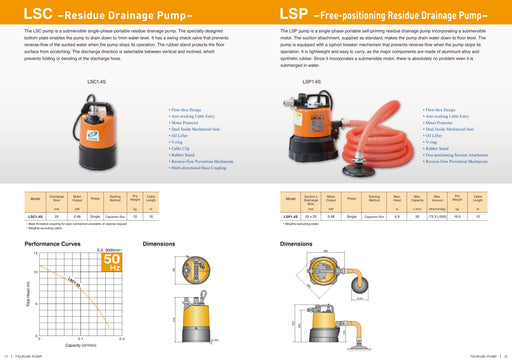
The Tsurumi LSC1.4S is a single-phase submersible portable residue drainage pump designed for ultra low-level water removal down to approximately 1...
View full detailsComplete maintenance kit for ASM D-Series diaphragm pumps, containing essential wear components to restore pump performance and reliability. Design...
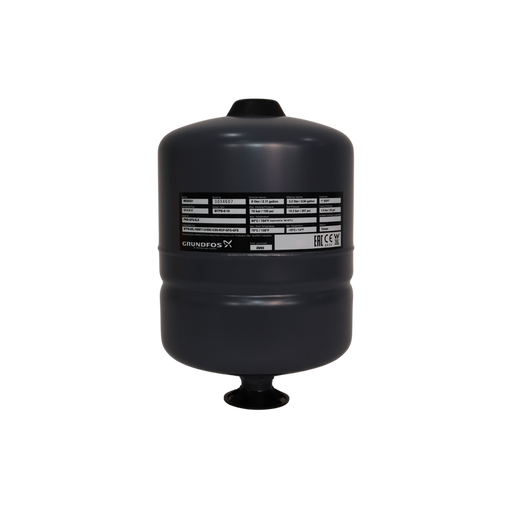
View full detailsThe Grundfos GT-H-18 PN10 G1 V is a compact steel pressure tank designed for drinking water applications. It features a non-toxic butyl rubber d...
View full detailsThe Davey Dynapond 8000 is a submersible centrifugal pond pump designed for continuous operation (24/7) in fountains, pond recirculation, wate...
View full detailsThe Tsurumi LSP1.4S is a single-phase portable self‑priming residue drainage pump incorporating a submersible motor, designed for fast removal of s...
View full details