3000+ Pumps & Parts
Pumps On Sale!
Fast Dispatch

Emergency preparedness in Australia is not optional. From extended power outages to bushfires and severe storms, water access is often the first critical service to fail. Backup water pumps provide a reliable solution to maintain water supply when primary systems stop working.
For homes, farms, and commercial sites across Western Australia, having a backup water pump can mean the difference between safety and serious disruption.
Most water pump systems rely on grid electricity. When the power goes out, water pressure disappears instantly. This affects drinking water, sanitation, fire suppression, livestock hydration, and irrigation.
A backup water pump ensures continuity during emergencies by:
Maintaining household water pressure
Supplying firefighting water during bushfires
Supporting livestock and crop irrigation
Preventing damage from flooded basements or tanks
Emergency water access is not about convenience. It is about risk control.
Extended outages are common in storms and heatwaves. Backup pumps powered by fuel or solar systems keep water flowing when electricity fails.
Properties in bushfire prone regions require reliable water sources for asset protection. Backup pumps connected to tanks or dams allow continued access to firefighting water.
Stormwater and flooding can overwhelm primary pumps. Backup transfer or drainage pumps prevent property damage by removing excess water quickly.
Many rural WA properties operate far from repair services. A backup pump provides self-sufficiency when access roads are cut or services are delayed.
These systems activate automatically when the primary pump fails. They are ideal for urban homes with generator support or battery backup systems.
Fuel powered pumps deliver high output and reliability. They are commonly used for firefighting, irrigation backup, and emergency water transfer on farms and acreage properties.
Solar backup pumps are popular in off grid and regional WA. They offer silent operation, low maintenance, and independence from fuel supply disruptions.
While limited in output, manual pumps provide a fail safe water source for drinking and essential use when all power sources are unavailable.
Identify whether your backup pump will draw from tanks, bores, dams, or rainwater systems. Not all pumps suit every source.
Households require stable pressure. Fire protection and irrigation require high flow rates. Choosing incorrectly results in underperformance during emergencies.
Fuel powered pumps are only effective if fuel is accessible during emergencies. Solar systems require adequate panel capacity and sunlight exposure.
Backup pumps must be installed correctly and tested regularly. Poor installation is the most common reason emergency systems fail.
Coastal areas face corrosion, salt exposure, and storm surge risks. Backup pumps must be corrosion resistant and installed above flood prone levels.
Remote properties require robust, easy-to-service systems. Fuel powered and solar pumps dominate due to their independence from the power grid.
WA conditions demand equipment that is heat tolerant, dust resistant, and capable of continuous operation.
Install isolation valves to switch systems quickly
Ensure fuel storage complies with safety regulations
Elevate pumps above flood risk zones
Test backup pumps under load at least twice a year
Clearly label emergency switch points
Preparation is useless if the system fails when needed.
A backup pump that has not been tested is not a backup. Routine maintenance should include:
Fuel replacement schedules
Battery testing for electric systems
Cleaning intake filters
Inspecting seals and hoses
Running test cycles under real conditions
Neglect turns emergency equipment into expensive decoration.
Do I need a backup water pump in Australia?
If your water supply relies on electricity, yes. Emergencies routinely interrupt power and water access.
What is the best backup water pump for bushfire protection?
Petrol or diesel firefighting pumps connected to dedicated water storage provide the highest reliability.
Can solar backup pumps work during cloudy weather?
Yes, with sufficient panel capacity and battery storage, solar pumps can operate during low light conditions.
How often should a backup water pump be tested?
At least twice per year, and before fire season or storm season begins.
Are backup water pumps expensive to install?
Costs vary, but they are minor compared to the losses caused by water failure during emergencies.
Emergency preparedness is about decisions made before disaster strikes. Pumptastic supplies backup pump solutions designed for Australian and WA conditions.
If you are serious about protecting your water supply, speak with a specialist and build a system that works when it matters most.
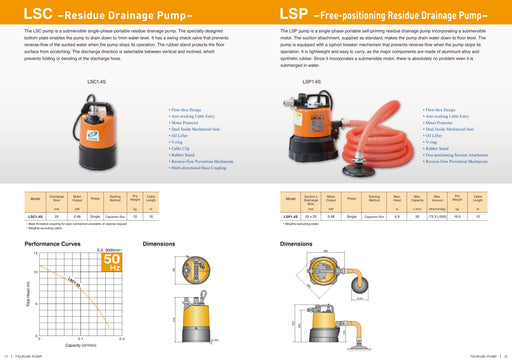
The Tsurumi LSC1.4S is a single-phase submersible portable residue drainage pump designed for ultra low-level water removal down to approximately 1...
View full detailsComplete maintenance kit for ASM D-Series diaphragm pumps, containing essential wear components to restore pump performance and reliability. Design...
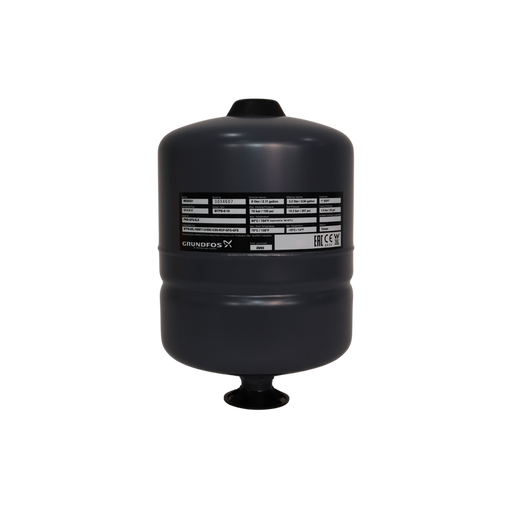
View full detailsThe Grundfos GT-H-18 PN10 G1 V is a compact steel pressure tank designed for drinking water applications. It features a non-toxic butyl rubber d...
View full detailsThe Davey Dynapond 8000 is a submersible centrifugal pond pump designed for continuous operation (24/7) in fountains, pond recirculation, wate...
View full detailsThe Tsurumi LSP1.4S is a single-phase portable self‑priming residue drainage pump incorporating a submersible motor, designed for fast removal of s...
View full details