3000+ Pumps & Parts
Pumps On Sale!
Fast Dispatch

Water pumps are not designed to last forever. In Australia, harsh climate conditions, mineral heavy water, and long operating hours place constant stress on pump systems. For homes in Western Australia and regional areas, pumps often work harder and longer than their original design intended.
Knowing when to replace a water pump instead of continuing repairs can save thousands in running costs, prevent sudden water loss, and restore reliable pressure. This guide outlines the clear warning signs that tell Australian homeowners it is time to replace their water pump.
Australian water pumps operate in extreme environments. Heat causes motors and seals to degrade faster. Dust blocks ventilation. Bore and rainwater systems introduce sediment that accelerates internal wear.
In WA, outdoor installations and extended dry seasons increase demand on pumps, while regional properties often rely on pumps as their sole water source. Over time, these conditions shorten lifespan significantly.
One of the earliest signs of pump failure is inconsistent water pressure.
If pressure drops when multiple taps are used or fluctuates without warning, the pump may no longer be delivering sufficient output.
If pressure issues persist despite filter cleaning and minor repairs, the pump is likely undersized for current demand or internally worn.
Short cycling places extreme stress on pump components.
Worn internal parts
Failing pressure tanks
Outdated controllers
Incorrect pump sizing
If short cycling continues after basic fixes, replacement is usually more cost effective than ongoing repairs.
Healthy pumps operate smoothly and quietly.
Grinding or rattling noises
Excessive vibration
Pump casing becoming very hot
These issues indicate bearing wear, motor strain, or poor efficiency. In WA heat, overheating quickly leads to failure.
Older pumps become less efficient as components wear.
Worn pumps run longer to achieve the same output, consuming more electricity. Single speed pumps are particularly inefficient compared to modern alternatives.
Replacing an outdated pump often reduces running costs immediately.
If you are regularly repairing seals, controllers, or motors, replacement should be considered.
Multiple small repairs often exceed the cost of installing a new, efficient pump within a short period.
Most residential water pumps have a practical lifespan measured in years, not decades.
Older pumps lack modern efficiency, quieter operation, and protective features. Even if still working, they often cost more to run than newer models.
In Australian conditions, age combined with heat and water quality accelerates decline.
Iron and sediment in bore water
Debris in rainwater tanks
Mineral buildup
Internal damage from poor water quality is often irreversible. Replacing the pump and addressing filtration together is the smart move.
Replacement is usually the better option when:
Repairs are frequent
Energy costs are rising
Pressure remains unreliable
The pump is outdated
Water demand has increased
Modern pumps offer better efficiency, quieter operation, and improved reliability.
Consistent water pressure
Lower electricity bills
Reduced noise
Improved reliability
Better performance in WA heat
For regional properties, replacement also reduces the risk of complete water loss.
Correct pump replacement depends on accurate sizing and local conditions. Pumptastic supplies water pumps suited to Australian homes and regional environments, helping homeowners avoid costly mistakes.
Explore replacement pump options at
https://pumptastic.com.au/
Replacing a pump without proper assessment can create new problems. Expert advice ensures the new pump matches your water source, usage, and plumbing layout.
For professional guidance, visit
https://pumptastic.com.au/pages/contact-us
If problems persist after basic maintenance and repairs, replacement is usually more economical.
Lifespan varies, but heat, water quality, and usage patterns shorten life in WA and regional areas.
Yes. Modern energy efficient pumps typically use far less power than older models.
Yes, but correct sizing and compatibility with your system are essential.
Yes. Incorrect installation can damage even a new pump and void warranties.
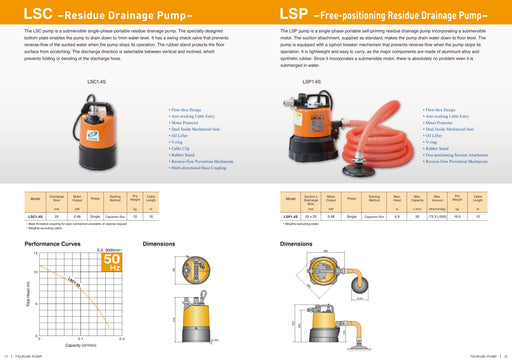
The Tsurumi LSC1.4S is a single-phase submersible portable residue drainage pump designed for ultra low-level water removal down to approximately 1...
View full detailsComplete maintenance kit for ASM D-Series diaphragm pumps, containing essential wear components to restore pump performance and reliability. Design...
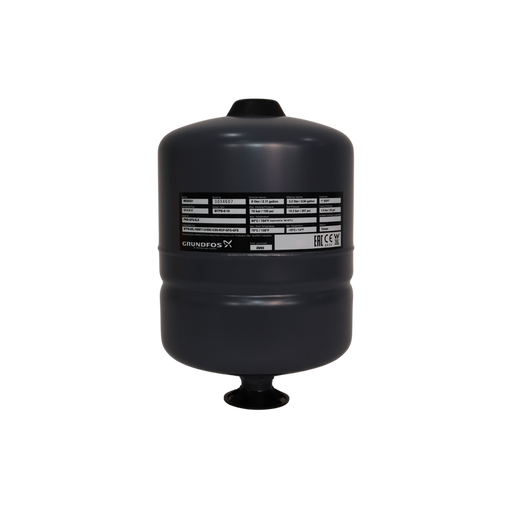
View full detailsThe Grundfos GT-H-18 PN10 G1 V is a compact steel pressure tank designed for drinking water applications. It features a non-toxic butyl rubber d...
View full detailsThe Davey Dynapond 8000 is a submersible centrifugal pond pump designed for continuous operation (24/7) in fountains, pond recirculation, wate...
View full detailsThe Tsurumi LSP1.4S is a single-phase portable self‑priming residue drainage pump incorporating a submersible motor, designed for fast removal of s...
View full details