3000+ Pumps & Parts
Pumps On Sale!
Fast Dispatch

For rural and regional Australians, a water pump is not a convenience item. It is essential infrastructure. Homes, livestock, irrigation systems, fire protection, and daily living often depend on a single pump operating reliably in tough conditions.
In Western Australia and other regional areas, long distances, variable water quality, high temperatures, and limited access to repairs make pump selection critical. This buying guide explains how to choose the right water pump for rural and regional Australia, helping property owners avoid costly mistakes and downtime.
Rural properties face challenges that urban homes do not. Water sources are often located far from the point of use. Pumps may run for extended hours and operate in extreme heat.
In WA, sandy soils, iron rich bore water, and remote locations increase wear and reduce tolerance for failure. Choosing the right pump from the start is essential for reliability and long term savings.
Bores are a primary water source across WA and regional Australia. Bore depth, water quality, and flow rate vary widely, making correct pump sizing essential.
Many rural homes rely on rainwater tanks for household supply. These systems require pressure pumps capable of delivering steady flow over long distances.
Dams and creeks are often used for livestock and irrigation. These sources require pumps that can handle debris and variable water levels.
Submersible pumps are ideal for deep bores and high demand systems. They operate efficiently below the water surface and handle long lift distances.
Pressure pumps supply consistent water flow to houses, sheds, and outbuildings. They are commonly paired with tanks and bore storage systems.
Transfer pumps move water between tanks, dams, and troughs. They are essential for stock watering and irrigation but are not designed for household pressure.
Rural properties often need higher flow rates to supply livestock, irrigation, and multiple buildings. Underestimating flow demand leads to poor performance.
Long pipe runs and elevation changes require pumps with sufficient pressure capacity. WA properties often experience significant pressure loss over distance.
Correct sizing ensures reliable supply without excessive energy use.
Bore water may contain iron, sand, or minerals. Surface water often carries debris and organic matter. These factors directly affect pump lifespan.
Installing appropriate filtration protects the pump and reduces maintenance costs. Ignoring water quality is one of the most common rural pump failures.
Many rural properties rely on single phase power, while larger operations may have three phase supply. The available power limits pump size and type.
Solar pumps are increasingly popular in WA due to high sun exposure. They are ideal for stock watering and remote tanks where grid power is unavailable.
Solar systems must be correctly designed to ensure reliability throughout the year.
Incorrect installation leads to vibration, overheating, and early failure. Pipe sizing, pump placement, and ventilation all affect performance.
In remote areas, professional installation reduces the risk of breakdowns where repairs are difficult or delayed.
Regular maintenance extends pump life significantly. Dust, heat, and sediment accelerate wear on rural pumps.
Basic tasks such as filter cleaning, leak checks, and annual servicing prevent costly failures.
Choosing pumps based on price alone
Ignoring water quality
Undersizing for future needs
Overlooking power limitations
Skipping professional advice
These mistakes often lead to replacement far sooner than expected.
Rural and regional water systems are complex. Pumptastic supplies pumps designed for Australian conditions, including WA heat, water quality, and remote property requirements.
Explore reliable water pump solutions at
https://pumptastic.com.au/
Every property has unique water needs. Expert guidance ensures the pump selected will perform reliably for years.
For personalised advice, visit
https://pumptastic.com.au/pages/contact-us
It depends on the water source, distance, and usage. Bore pumps, pressure pumps, and transfer pumps all serve different purposes.
Flow rate, distance, and elevation must all be considered to avoid pressure loss.
Yes, when correctly sized and installed, solar pumps perform well in WA conditions.
With correct sizing and maintenance, many pumps last years even in harsh conditions.
Yes. Incorrect installation increases the risk of failure where repairs are harder to access.
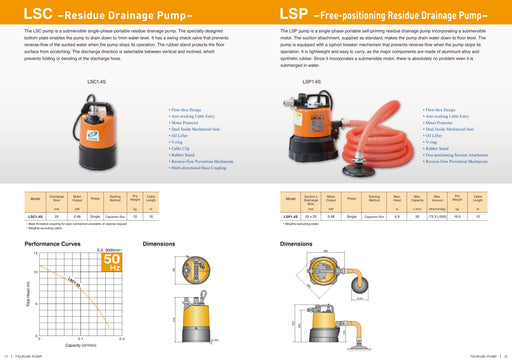
The Tsurumi LSC1.4S is a single-phase submersible portable residue drainage pump designed for ultra low-level water removal down to approximately 1...
View full detailsComplete maintenance kit for ASM D-Series diaphragm pumps, containing essential wear components to restore pump performance and reliability. Design...
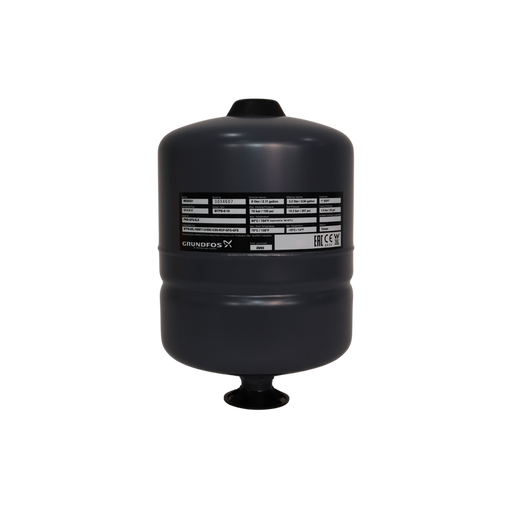
View full detailsThe Grundfos GT-H-18 PN10 G1 V is a compact steel pressure tank designed for drinking water applications. It features a non-toxic butyl rubber d...
View full detailsThe Davey Dynapond 8000 is a submersible centrifugal pond pump designed for continuous operation (24/7) in fountains, pond recirculation, wate...
View full detailsThe Tsurumi LSP1.4S is a single-phase portable self‑priming residue drainage pump incorporating a submersible motor, designed for fast removal of s...
View full details