3000+ Pumps & Parts
Pumps On Sale!
Fast Dispatch
Australia’s relationship with water is complicated. We cycle between heavy rainfall and drought, strict water restrictions and periods of abundance. That inconsistency forces households and businesses to take water management into their own hands and one of the smartest moves is using a rainwater harvesting system supported by a reliable rainwater pump controller.
Yet most Australians installing a rainwater setup understand the tank, maybe the water pump, but very few understand the controller despite the fact that it’s the part that determines efficiency, safety, reliability, and long-term savings. If the controller fails, your system becomes a headache instead of a solution.
This guide breaks down rainwater pump controllers in plain language, while giving you the level of insight you actually need to make informed decisions for your home, farm, commercial property, or off-grid setup. We’ll also address five common questions Australians repeatedly ask about these systems.
The pump itself gets all the attention, but it’s the controller that makes the system intelligent. Without a controller, the pump can run dry, burn out, or fail at the exact moment you need it. A controller:
Switches between tank water and mains water automatically
Ensures consistent water pressure across your property
Protects the pump from dry running
Reduces energy waste
Extends pump lifespan
Helps your rainwater system stay compliant with Australian plumbing standards
Think of it as the brain of the entire setup.
And considering how many Australian homes rely on a water tank and pump combination especially in regional areas the controller becomes the silent insurance layer most people overlook.
At its simplest, a controller monitors water levels, pressure, or flow, and tells the pump when to switch on or off. More advanced versions also handle fault detection, pressure regulation, and automatic mains changeover.
The typical Australian setup includes:
A water tank connected to a water pump
A controller mounted near the pump
Plumbing running to household fixtures often toilets, laundry, or irrigation
Mains backup connection (optional but common)
The controller ensures smooth transitions and prevents the annoying pump cycling that many households experience when they buy cheap hardware.
Australians use various pump types depending on location, tank size, and application. Because of that, controllers have evolved to match different systems, including:
These activate when flow is detected and stop when flow ceases. Good for households but not ideal for large-scale operations.
These maintain consistent pressure, making them ideal for irrigation or multiple fixtures running simultaneously.
A float switch inside the tank controls the pump. Common in farm setups and sump pump systems.
These are the modern standard in urban Australian homes: the controller switches between rainwater and mains water without you doing anything.
Choosing the wrong controller is one of the biggest mistakes homeowners make and it leads to early pump failure, water pressure issues, and energy waste.
To make smart decisions, you need to understand the pump your system uses. Here’s where many Australians go wrong they buy whatever looks “good enough” from a hardware store and end up with mismatches.
Below is a simple breakdown.
These are powerful positive displacement pump systems used when consistent flow is needed even with thick or variable liquids. You’ll often find them in rural or commercial setups. They require a controller that can manage steady-state operation without rapid cycling.
Used inside tanks, wells, and stormwater pits. Paired commonly with float controllers or pressure systems depending on the job. If used as a sump pump, a float setup is essential.
Used for moving water from point A to point B between tanks, from dams to storage, or for irrigation topping. Controllers should prioritise flow and dry-run protection.
Mostly used for flood-prone basements or stormwater pits. Float switches are the standard here, but adding a secondary electronic controller gives extra insurance especially during storms where pump failure can cost thousands.
These demand controllers that can handle constant torque and aren’t triggered by tiny pressure changes. Progressive cavity pumps fall under this category.
These pumps must be kept primed to avoid burnout. A controller that detects flow interruption is non-negotiable if you want the pump to survive.
These are the bread and butter of suburban rainwater systems. They’re compatible with intelligent mains-switch controllers, which is why brands like Davey pumps and Grundfos pumps integrate them seamlessly.
Here’s the part most homeowners don’t want to admit: pump failure is almost always preventable.
Common causes include:
Running the pump dry because the controller didn’t detect low water
Incorrect controller type for the pump
Cheap controller electronics exposed to Australian heat
Poor installation leading to pressure spikes
Using controllers designed for European climates not harsh Australian ones
Ignoring early pressure fluctuations
If your pump “sounds strange,” “runs nonstop,” “loses pressure,” or “turns on randomly,” that’s usually a controller issue not the pump.
Australians often replace the entire pump when only the controller needs attention, wasting hundreds of dollars and reducing the lifetime value of their water system.
You need a controller that can handle:
High ambient heat
Long dry periods
Sudden heavy rainfall
Coastal corrosion
Unstable power supply in rural areas
A well-built controller prevents breakdowns, protects your investment, and smooths out the uneven behaviour of Australian weather.
Systems sold by professionals such as Pumptastic focus on hardware that’s proven in Australian conditions rather than cheap imports that fail when pushed.
Most Australians install a rainwater pump system and never look at it again. That’s the mindset that costs money.
A controller needs:
Occasional electrical inspection
Checking for moisture intrusion
Testing dry-run protection
Pressure performance checks
Cleaning filters if integrated with the pump
Ignoring maintenance leads to pump burnout, pressure issues, or disrupted household supply often at the worst possible time.
If you’re unsure, reach out through Contact us and get clarity before the problem escalates.
If you try to operate a household system without a controller, you're guaranteeing pump damage, inconsistent pressure, and non-compliance with plumbing standards. Manual operation is only for temporary or emergency setups.
Yes. Controllers that prioritise tank water allow households to reduce mains usage significantly. During tight water restriction periods, this becomes a massive advantage.
These brands are designed to integrate with intelligent electronic controllers capable of handling Australian conditions. Don’t pair them with generic controllers they’ll underperform.
Indirectly. By preventing cycling, reducing dry running, and ensuring efficient operation, controllers reduce power waste and extend pump lifespan.
Sometimes but most Australian households don’t need this. Multi-pump systems are usually commercial or agricultural. If you’re unsure whether your setup requires advanced controller logic, ask a professional rather than assume.
Most people think they’re buying a “water pump” when they set up rainwater harvesting, but they’re actually buying:
A water pump
A controller
A delivery system
A protection system
A long-term water management plan
If you treat it as a low-stakes purchase, you’ll end up with breakdowns, inefficiencies, and costly replacements. Treat it as infrastructure, and it will save you money, stress, and water for years.
Professionals like Pumptastic build full systems, not just components. That’s the difference between a makeshift setup and something that works reliably through every Australian season.
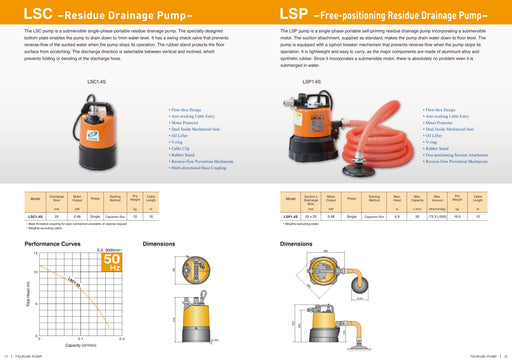
The Tsurumi LSC1.4S is a single-phase submersible portable residue drainage pump designed for ultra low-level water removal down to approximately 1...
View full detailsComplete maintenance kit for ASM D-Series diaphragm pumps, containing essential wear components to restore pump performance and reliability. Design...
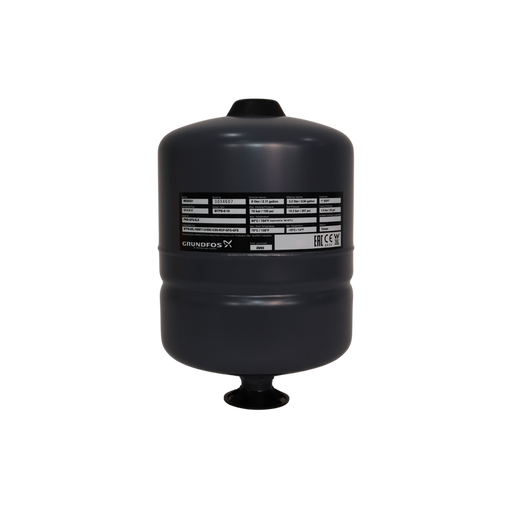
View full detailsThe Grundfos GT-H-18 PN10 G1 V is a compact steel pressure tank designed for drinking water applications. It features a non-toxic butyl rubber d...
View full detailsThe Davey Dynapond 8000 is a submersible centrifugal pond pump designed for continuous operation (24/7) in fountains, pond recirculation, wate...
View full detailsThe Tsurumi LSP1.4S is a single-phase portable self‑priming residue drainage pump incorporating a submersible motor, designed for fast removal of s...
View full details