3000+ Pumps & Parts
Pumps On Sale!
Fast Dispatch
You cannot measure flow rate from the first few minutes of pumping. Australian bores often draw down initially, then stabilise.
Run the pump continuously for 60 minutes.
If the flow reduces significantly during the hour, your bore yield is lower than you think.
Forget overly complicated formulas unless you're in hydrogeology. For household and farming pump sizing, this approach is reliable:
Flow rate (L/min) = (Container volume ÷ seconds to fill) × 60
Repeat three times to get a stable average.
Bore depth alone is useless for pump choice what matters is the water’s behaviour under load.
Measure:
These numbers determine the lift requirement, which influences pump horsepower selection.
Drawdown = static water level – pumping water level.
A bore with heavy drawdown may need a smaller pump or a progressive cavity water pump to avoid over-extraction.
Once you have flow rate + lift requirements, you can compare against a bore pump size chart to determine:
This is the point where people either get it right or set themselves up for years of frustration.
It depends on the measured flow rate, bore depth, and required pressure. Anyone giving a generic answer is guessing.
Deeper is not always better. It must sit below pumping water level but above the bore bottom to avoid silt damage.
No. Oversizing creates excessive drawdown and shortens pump life. Use a bore pump horsepower guide matched to your actual flow rate.
Usually caused by poor pump sizing, variable flow rate, or using a pump curve that doesn’t match the bore yield.
When your bore has low yield but stable water quality. They’re ideal for slow-producing Australian bores that can’t support high flow.
Most Australians rush into buying a pump based on price or brand. That’s the fastest path to pump failure.
Here's the non-negotiable reality:
Your pump must stay below the bore’s safe long-term yield.
If your bore produces 25 L/min and you install a pump rated for 60 L/min, it will:
This is why the flow measurement is step one, not a “nice to have”.
These are not substitutes for a full pump curve, but they help you understand the logic:
This is why the question “what size bore pump do I need?” is impossible to answer without measurements. Learn more in our Bore Pumps.
If you want accurate pump selection or a tailored recommendation for your bore, visit Pumptastic.
For direct assistance or technical support, head to Contact us.
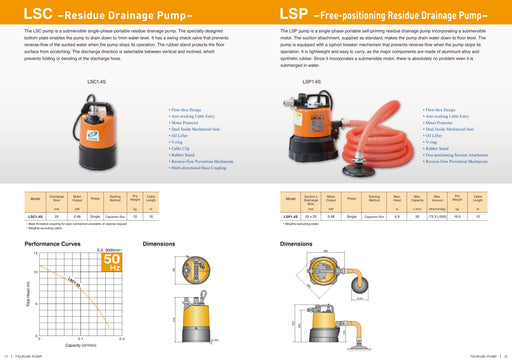
The Tsurumi LSC1.4S is a single-phase submersible portable residue drainage pump designed for ultra low-level water removal down to approximately 1...
View full detailsComplete maintenance kit for ASM D-Series diaphragm pumps, containing essential wear components to restore pump performance and reliability. Design...
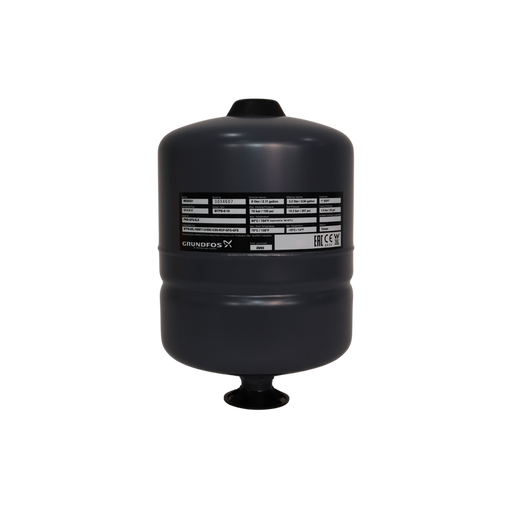
View full detailsThe Grundfos GT-H-18 PN10 G1 V is a compact steel pressure tank designed for drinking water applications. It features a non-toxic butyl rubber d...
View full detailsThe Davey Dynapond 8000 is a submersible centrifugal pond pump designed for continuous operation (24/7) in fountains, pond recirculation, wate...
View full detailsThe Tsurumi LSP1.4S is a single-phase portable self‑priming residue drainage pump incorporating a submersible motor, designed for fast removal of s...
View full details