3000+ Pumps & Parts
Pumps On Sale!
Fast Dispatch

If you operate or rely on a water pump in Western Australia, downtime is not a minor inconvenience. It is lost water supply, halted operations, unhappy tenants, stressed livestock, or a business interruption that costs real money. Too many property owners only think about spare parts after a failure. That is reactive thinking, and in WA conditions, it is expensive.
This guide explains the pump spare parts Australia customers should always keep in stock, why they matter in WA conditions, and how this simple preparedness step protects your system long term.
Western Australia presents a unique mix of challenges for pump systems. Heat, dust, mineral heavy bore water, long pipe runs, and regional distance from suppliers all compound risk.
When a small component fails, the entire system often stops. Waiting days for parts in regional WA is common. That delay usually costs more than the part itself.
Keeping essential spares on hand means:
Faster repairs with minimal downtime
Lower emergency call out costs
Reduced risk of secondary pump damage
Longer pump lifespan
If your pump supplies water to a home, farm, business, or remote site, spares are not optional. They are part of responsible ownership.
Before listing the parts, understand why pumps fail in WA:
Abrasive sand and sediment from bore water
High ambient temperatures causing seal and motor stress
Power fluctuations damaging control components
Continuous cycling from incorrect pressure settings
Mineral scaling on impellers and seals
Most failures start small. A worn seal, clogged impeller, or faulty switch becomes a total shutdown when ignored.
Mechanical seals are one of the most common failure points in water pumps. Heat, grit, and chemical content in Australian water sources cause gradual wear.
Once a seal fails, water enters the motor housing, often leading to motor failure.
Why keep spares:
Low cost compared to motor replacement
High failure frequency in bore and pressure pumps
Fast replacement prevents catastrophic damage
Recommended for: pressure pumps, bore pumps, transfer pumps.
Bearings support the rotating shaft. In dusty WA environments and high run time systems, bearings degrade faster than expected.
Warning signs include noise, vibration, and heat buildup. Ignoring worn bearings often damages shafts and housings.
Why keep spares:
Bearings fail gradually but cause sudden breakdowns
Replacement restores smooth operation
Critical for pumps running daily or continuously
Impellers move water. Sediment, sand, and mineral deposits wear impeller edges over time, reducing flow and efficiency.
A worn impeller forces the motor to work harder, increasing power consumption and heat.
Why keep spares:
Bore and rural systems wear impellers faster
Loss of pressure is often impeller related
Easy upgrade during routine servicing
Pressure switches control when pumps start and stop. In WA, voltage fluctuations and frequent cycling shorten their lifespan.
When a switch fails, pumps may not start, may run continuously, or may short cycle.
Why keep spares:
Common failure item
Quick swap restores system operation
Prevents motor damage from uncontrolled cycling
Capacitors help start and run single phase pump motors. Heat is their enemy, and WA summers accelerate failure.
A failed capacitor often looks like a dead pump even when the motor is fine.
Why keep spares:
Cheap and compact
One of the fastest fixes
Prevents unnecessary motor replacement
O rings and gaskets ensure watertight seals between pump components. Over time they harden, crack, or flatten.
A minor leak can cause pressure loss, corrosion, and air ingress.
Why keep spares:
Extremely low cost
Essential during any pump disassembly
Prevents rework and repeat failures
These valves stop water from flowing backward and prevent loss of prime. Bore and rural systems are especially vulnerable.
Valve failure leads to air locks, dry running, and constant repriming.
Why keep spares:
Critical for suction systems
Failure often mimics pump faults
Protects pump from dry run damage
In metro Perth, parts may be available same day. In regional WA, delays of several days are common.
If your property is in farming areas, mining regions, or coastal towns, keep spares on site. This is non negotiable.
At minimum, regional properties should stock:
Mechanical seals
Capacitors
Pressure switches
One compatible impeller
Full gasket set
This alone can reduce downtime from days to hours.
Spare parts only help if they are usable when needed.
Best practices:
Store in dry, sealed containers
Keep away from direct sunlight and heat
Label by pump model and part number
Avoid mixing seals and O rings across models
Incorrect storage can ruin rubber components before they are ever installed.
Mechanical seals, capacitors, pressure switches, bearings, and impellers are the most critical spare parts for Australian conditions.
Wear parts like seals and bearings are typically replaced every 2 to 5 years depending on usage, water quality, and operating conditions.
No. Many parts are model specific. Always match spare parts to your exact pump make and model.
Yes. Heat, dust, bore water minerals, and long run times in Western Australia accelerate component wear.
Yes. Even residential pumps rely on small components that can fail unexpectedly and cause full water loss.
Keeping pump spare parts in stock is not over preparation. It is basic system management, especially in Western Australia.
If your pump matters to your daily life or business, waiting for a failure before sourcing parts is a mistake. Small, inexpensive components are often the difference between a quick fix and a costly breakdown.
Plan ahead. Stock smart. Your pump will last longer, run better, and fail less often.
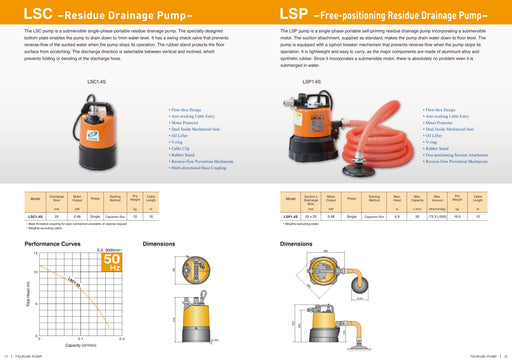
The Tsurumi LSC1.4S is a single-phase submersible portable residue drainage pump designed for ultra low-level water removal down to approximately 1...
View full detailsComplete maintenance kit for ASM D-Series diaphragm pumps, containing essential wear components to restore pump performance and reliability. Design...
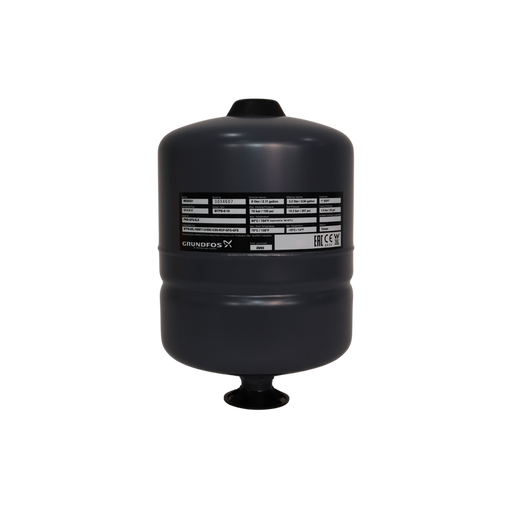
View full detailsThe Grundfos GT-H-18 PN10 G1 V is a compact steel pressure tank designed for drinking water applications. It features a non-toxic butyl rubber d...
View full detailsThe Davey Dynapond 8000 is a submersible centrifugal pond pump designed for continuous operation (24/7) in fountains, pond recirculation, wate...
View full detailsThe Tsurumi LSP1.4S is a single-phase portable self‑priming residue drainage pump incorporating a submersible motor, designed for fast removal of s...
View full details