3000+ Pumps & Parts
Pumps On Sale!
Fast Dispatch

Pump leaks are not a small issue. They are an early warning that something in the system is failing. Ignore them and you pay later in pump damage, water loss, contamination, higher power bills, and emergency callouts. In Western Australia, where pumps operate in heat, dust, and variable water quality, leak detection is not optional. It is basic risk management.
This guide breaks down how to detect leaks in a water pump system with specific focus on sump pumps and progressive cavity pumps used in residential, rural, and industrial WA settings.
Leaks accelerate wear. In WA conditions, small failures grow fast due to heat expansion, abrasive bore water, and long duty cycles.
Key risks of ignoring leaks:
Motor damage from moisture ingress
Seal failure leading to full pump shutdown
Increased energy consumption
Water loss in rural and off grid setups
Environmental and safety risks on commercial sites
If you rely on a pump, leak detection is a maintenance discipline, not a reaction.
Before you look for leaks, understand why they happen.
Seals are the most common failure point in a water pump. Heat, grit, and dry running destroy them quickly.
WA coastal and regional areas see high corrosion. Threaded fittings and clamps loosen or degrade over time.
UV exposure and pressure fluctuations can crack plastic components. Metal housings fail from corrosion or vibration fatigue.
Poor alignment, over tightened fittings, or wrong seal materials cause leaks early in a pump’s life.
Start simple. Look for:
Water pooling under the pump
Rust streaks or mineral stains
Damp insulation or concrete
Drips around flanges and seals
Do this while the pump is running and again after shutdown.
A pressure drop without usage usually means a leak. Monitor system pressure over time.
If the pump runs longer than normal to achieve the same output, water is escaping somewhere.
Leaks often cause:
Tripped safety switches
Motor overheating
Unstable current draw
Electrical symptoms often appear after mechanical leaks begin.
Sump pumps operate in harsh, wet environments. Leaks are common and often missed.
Cracks or failed joints in the discharge pipe are a frequent issue, especially where pipes exit the pit.
A failed check valve causes backflow, short cycling, and perceived leaks.
Hairline cracks form from debris impact or freezing in colder inland regions.
A faulty float causes overrun, leading to seal damage and eventual leaks.
Progressive cavity pumps are precision machines. Leaks here are costly.
Leaks around the shaft seal usually indicate misalignment or worn stators.
Swollen or chemically attacked stators force pressure where it should not exist, causing leaks upstream.
Progressive cavity pumps often use flexible lines that degrade under heat and chemical exposure.
Excess vibration accelerates seal wear and causes micro leaks that worsen fast.
If visual checks fail, escalate.
Dye testing for hard to see leaks
Thermal imaging for heat anomalies
Acoustic leak detection on large systems
Scheduled pressure logging
These methods are common on commercial WA sites where downtime is expensive.
Leak detection is pointless without prevention.
Use correct seal materials for WA water conditions
Avoid dry running at all costs
Schedule inspections before peak summer loads
Replace worn components early, not after failure
If you are reacting to leaks instead of planning for them, your maintenance strategy is broken.
Call a professional when:
Leaks return after seal replacement
Pressure losses are unexplained
Progressive cavity pump output drops suddenly
Electrical faults appear alongside leaks
This is where local WA experience matters. Contact us.
Internal leaks show as pressure loss, reduced flow, or longer run times without visible water outside the pump.
Yes. Water near electrical components increases shock risk and can cause sudden pump failure during storms.
Yes. Internal seal and stator failures often leak internally before external signs appear.
If safe to do so, yes. Continued operation usually worsens damage and increases repair costs.
Residential systems should be inspected every 3 to 6 months. Commercial systems should follow a scheduled maintenance plan.
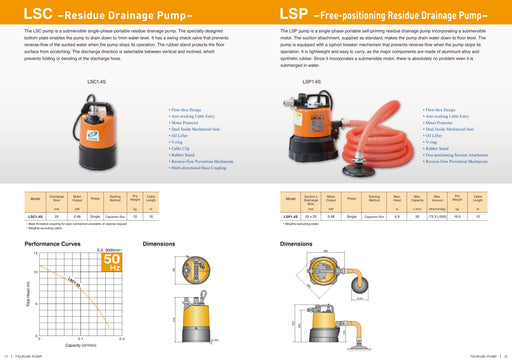
The Tsurumi LSC1.4S is a single-phase submersible portable residue drainage pump designed for ultra low-level water removal down to approximately 1...
View full detailsComplete maintenance kit for ASM D-Series diaphragm pumps, containing essential wear components to restore pump performance and reliability. Design...
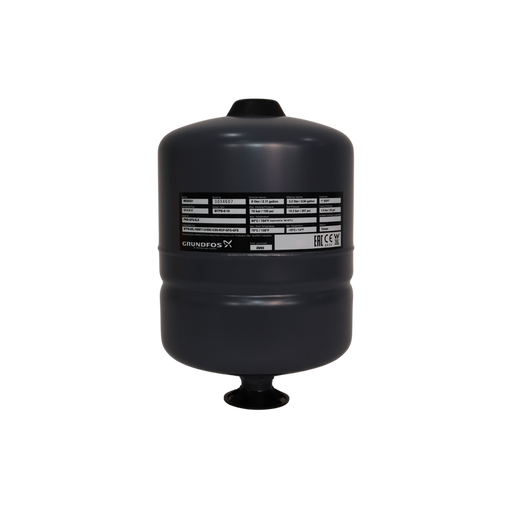
View full detailsThe Grundfos GT-H-18 PN10 G1 V is a compact steel pressure tank designed for drinking water applications. It features a non-toxic butyl rubber d...
View full detailsThe Davey Dynapond 8000 is a submersible centrifugal pond pump designed for continuous operation (24/7) in fountains, pond recirculation, wate...
View full detailsThe Tsurumi LSP1.4S is a single-phase portable self‑priming residue drainage pump incorporating a submersible motor, designed for fast removal of s...
View full details