3000+ Pumps & Parts
Pumps On Sale!
Fast Dispatch

Installing a pressure pump looks straightforward on paper, but in Western Australia it rarely is. Harsh climate conditions, variable water quality, and long pipe runs mean small installation errors quickly turn into pump failures, high power bills, or inconsistent water pressure.
This guide breaks down the most common pressure pump installation mistakes we see across WA homes, farms, and commercial sites. If you are installing a water pump, sump pump, or progressive cavity pump, avoiding these errors will save you money and downtime.
One of the most common mistakes is selecting a pressure pump based on price instead of performance requirements.
Pressure pumps must be sized correctly for flow rate, total head, and usage demand. A pump suitable for a small suburban home will fail rapidly if used for irrigation, bore supply, or long-distance water transfer.
In WA, incorrect pump sizing often leads to overheating, pressure cycling, and early motor failure. This is especially common when homeowners replace older systems without reassessing current demand.
Western Australia has some of the toughest water conditions in the country. High mineral content, sand, iron, and fluctuating bore levels all affect pump performance.
Installing a pressure pump without considering water quality leads to blocked impellers, worn seals, and reduced efficiency. Progressive cavity pumps are often better suited for poor-quality bore water, yet many installers default to standard centrifugal pumps.
Ignoring filtration requirements is not a small oversight. It is a guaranteed failure point.
Pressure pumps require stable electrical supply and proper protection. Undersized cables, incorrect voltage, and lack of surge protection are frequent installation errors.
In rural WA, voltage fluctuation is common. Without proper motor protection, pressure pumps burn out prematurely. Soft starters and pump controllers are not optional upgrades in these environments. They are safeguards.
This mistake becomes expensive fast because electrical damage is rarely covered under warranty.
Another major issue is poor pipe sizing. Too small and the pump works harder than necessary. Too large and pressure drops become inconsistent.
Long pipe runs, elevation changes, and multiple bends increase friction loss. Many installations fail because the installer does not calculate total dynamic head correctly.
For sump pump and pressure pump systems, incorrect discharge layout can also cause backflow, air locking, and pressure loss.
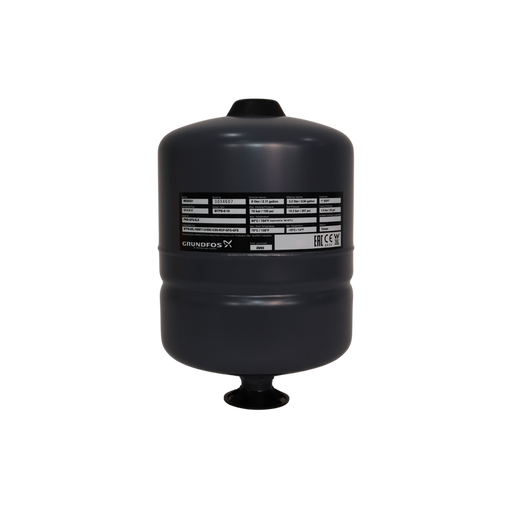
Pressure pumps should never be installed without a pressure tank or an appropriate controller.
Without a buffer system, the pump short cycles. Short cycling dramatically reduces motor life and increases power consumption.
In WA households, this mistake is common when replacing older systems. Modern pump setups require modern control solutions to handle variable demand and protect the pump.
Installing a pressure pump in an enclosed or poorly ventilated space is another frequent mistake.
WA summers push ambient temperatures well beyond safe operating limits. Pumps installed in sealed sheds or underground pits often overheat.
A pressure pump needs airflow, shade, and protection from dust and moisture. Ignoring this leads to thermal shutdowns and insulation breakdown.
Many pressure pumps are installed and switched on without proper commissioning.
This includes failing to prime the pump correctly, not checking pressure settings, and ignoring initial flow testing.
Commissioning ensures the pump operates within design parameters. Skipping it means problems go unnoticed until damage is already done.
This is especially critical for systems using Davey Pumps or other premium brands, where incorrect setup voids warranties.
Not every pressure application needs the same pump.
Using a standard pressure pump where a progressive cavity pump is required is a classic WA bore mistake. Likewise, using a sump pump for pressure delivery instead of drainage leads to catastrophic failure.
Pump type selection matters as much as pump size. Mixing roles is not innovation. It is ignorance.
How long should a pressure pump last in WA conditions
A correctly installed pressure pump should last 8 to 12 years. Poor installation can reduce this to under 3 years.
Do I need a pressure tank for my water pump
Yes. A pressure tank prevents short cycling and extends pump lifespan, especially in residential WA homes.
Is a progressive cavity pump better for bore water
In many WA bore applications, yes. Progressive cavity pumps handle sand and variable water quality better than standard pressure pumps.
Can I install a pressure pump myself
Legally yes, but electrical and plumbing compliance is required. Most failures we see come from DIY installations.
Why does my pressure pump keep losing pressure
Common causes include air leaks, incorrect pipe sizing, faulty pressure switches, or poor pump selection.
Pressure pump installation is not a plug and play task in Western Australia. Climate, water quality, and infrastructure all demand careful planning.
If you cut corners at installation, you pay for it in repairs, power bills, and downtime. If you get it right, your water pump system runs quietly, efficiently, and reliably for years.
If your goal is long-term reliability rather than short-term savings, professional assessment is not optional. It is the difference between a system that works and one that constantly fails.
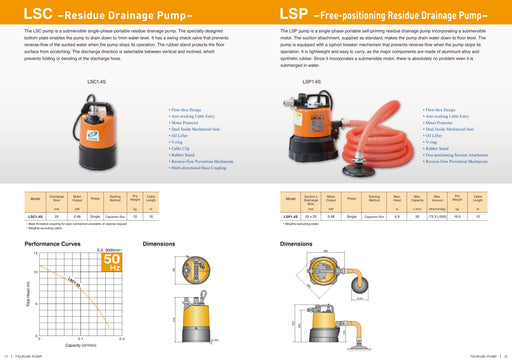
The Tsurumi LSC1.4S is a single-phase submersible portable residue drainage pump designed for ultra low-level water removal down to approximately 1...
View full detailsComplete maintenance kit for ASM D-Series diaphragm pumps, containing essential wear components to restore pump performance and reliability. Design...
View full detailsThe Tsurumi LSP1.4S is a single-phase portable self‑priming residue drainage pump incorporating a submersible motor, designed for fast removal of s...
View full detailsThe Grundfos GT-H-18 PN10 G1 V is a compact steel pressure tank designed for drinking water applications. It features a non-toxic butyl rubber d...
View full detailsThe Davey Dynapond 8000 is a submersible centrifugal pond pump designed for continuous operation (24/7) in fountains, pond recirculation, wate...
View full details