3000+ Pumps & Parts
Pumps On Sale!
Fast Dispatch
From the iron ore country of the Pilbara to the gold fields around Kalgoorlie and the coal seams of the Bowen Basin, every Australian mine site runs on water and fights to control it. Whether you are drawing groundwater for processing, lifting it out of a pit, or trucking it to the haul roads for dust suppression, the wrong pump quietly bleeds money through power bills, premature failures and lost production. This guide breaks down the five water challenges that hit nearly every site, the specifications that actually matter, and the kind of mining bore pump that solves each one. If you only remember one thing: under-specced pumps don't fail politely they fail at 2am during a heatwave.
Pumping is one of the largest single consumers of electricity on a mine site, and an oversized or poorly matched pump runs off its best efficiency point all day, every day. The result is wasted kilowatts, accelerated wear and a maintenance schedule that owns you rather than the other way around. Getting the mining borehole pumps right at the design stage correct flow rate in cubic metres per hour, correct head in metres, correct material for the water chemistry is the cheapest performance upgrade available to any operation. The brands that survive Australian conditions are the ones built for it: Grundfos pumps, Davey, Tsurumi and Onga, all stocked and shipped Australia-wide through Pumptastic.
Australia's water table can sit a long way down, and remote bores routinely demand water lifted from depths that would stall a domestic pump in seconds. This is the classic case for a multistage submersible mining bore pump a slim stainless-steel pump that drops down a narrow casing and pushes water vertically through stacked impeller stages. The deeper the bore and the higher the pressure you need at surface, the more stages you stack. A pump like the Grundfos SP range is engineered exactly for this: every wetted steel component is stainless steel (EN 1.4301 / AISI 304), it installs vertically or horizontally, and models scale from a single-phase 240V unit for a light-duty bore up to three-phase 415V workhorses for serious lift. Before you buy, the make-or-break number is total dynamic head and getting it wrong is the single most common sizing mistake on site. We cover all seven of those numbers in our companion guide, How to Size a Mining Borehole Pump: 7 Specs You Can't Get Wrong.
Not sure how deep your duty point really is? Call Pumptastic's pump engineers on (08) 6384 5884 before you spend a cent five minutes now saves a wrong pump later.
Much of Australia's groundwater is brackish or downright saline, and bore water often carries fine sand and silt that grinds impellers to dust. Cast-iron pumps that are fine on a farm dam will corrode and erode fast in this chemistry. This is why stainless-steel construction is non-negotiable for a long-life mining borehole pump, and why total dissolved solids (TDS) and sand content belong in your spec sheet from day one. High salinity also affects motor selection and cable choice, not just the pump body. If your water is genuinely abrasive slurry rather than clean groundwater, a borehole pump is the wrong tool entirely you want a heavy-duty dewatering pump (more on that next). Matching material to water chemistry is the difference between a pump that runs for years and one you rebuild every dry season.
Open pits fill with groundwater seepage and storm runoff, and that water has to move continuously to keep benches dry and safe. Unlike clean bore water, pit water is muddy, gritty and full of solids, so this job calls for a rugged submersible drainage pump rather than a borehole pump. Tsurumi dewatering pumps built with abrasion-resistant components and agitators that keep solids in suspension are the site standard for exactly this duty, and Pumptastic stocks the Tsurumi range alongside the Grundfos bore pumps. The trap here is using one pump type for both jobs: clean-water borehole pumps choke and wear out in slurry, while heavy dewatering pumps are inefficient for clean bore supply. Use the right tool for the right water.
Running both clean bore supply AND pit dewatering? You need two different pumps. Shop submersible pumps online at Pumptastic - fast dispatch, free shipping over $100, Australia-wide.
Dust suppression on haul roads and crushers spikes hardest in summer precisely when bores draw down, water tables drop and every pump on site is working overtime. A bore pump sized for average winter demand will starve your water carts in February. The fix is to size your mining bore pump for peak summer flow, not the annual average, and to build in headroom for falling water levels. Flow rate (m³/h) and the pump's behaviour as the water level drops are the specs that decide whether your dust program holds up when the regulator and the neighbours are watching. This is also where energy efficiency pays off twice the more hours a pump runs, the more a high-efficiency Grundfos unit saves on power.
Here's the maths that should keep a site manager awake: a borehole pump might cost a few thousand dollars, but if its failure stops processing or breaches a dust licence condition, the cost is measured in lost production and compliance penalties orders of magnitude more. That's why brand, build quality, parts availability and lead time matter as much as the headline price. Buying the cheapest mining borehole pumps you can find on a generic marketplace is a false economy if spares take six weeks to arrive. Buying from a specialist that holds stock, ships fast and supports you after the sale is how you protect uptime. Pumptastic carries genuine Grundfos, Davey, Tsurumi and Onga stock with same-week dispatch and the difference shows up the first time something breaks at the worst possible moment.
Downtime is the real cost. Lock in the right pump, genuine spares and fast lead times now read the full Mining Borehole Pump Buying Guide: Pricing, Lead Times, Installation & Aftercare in Australia before your next order.
This is the cheat sheet. Match your challenge to the pump type, then confirm exact specs with the sizing guide before ordering.
|
Water Challenge |
Water Type |
Right Pump Type |
Example Range (at Pumptastic) |
|
Deep bore water supply |
Clean groundwater |
Multistage submersible bore pump |
Grundfos SP (stainless steel) |
|
Saline / high-TDS water |
Corrosive, clean |
Stainless multistage bore pump |
Grundfos SP (AISI 304) |
|
Pit & tailings dewatering |
Muddy / abrasive |
Heavy-duty drainage pump |
Tsurumi LB / LSC / HS series |
|
Dust suppression supply |
Clean groundwater |
High-flow bore pump |
Grundfos SP 9 / SP 14 |
|
Pressure boosting at surface |
Clean |
Surface / multistage booster |
Grundfos CMB & multistage |
Flow bands and starting prices below are taken directly from Pumptastic's live Grundfos SP collection. Use the model's first number as the nominal duty flow; the second number is the stage count, which sets the head (and therefore the pressure).
|
SP Model Family |
Nominal Flow (m³/h) |
Approx. Flow (L/min) |
Typical Phase / Volts |
Indicative Price From (AUD) |
|
SP 1A |
1–2 |
~17–33 |
1×240V / 3×415V |
from ~$1,586 |
|
SP 3A |
2–3 |
~33–50 |
3×415V |
from ~$2,183 |
|
SP 5A |
3–5 |
~50–83 |
3×415V |
from ~$1,961 |
|
SP 9 |
7–10 |
~117–167 |
3×415V |
from ~$1,774 |
|
SP 11 |
10–12 |
~167–200 |
1×240V / 3×415V |
from ~$1,775 |
|
SP 14 |
12–15 |
~200–250 |
3×415V |
from ~$1,594 |
A quick note on pressure (PSI): pump output is rated in head (metres), and head converts to pressure at roughly 1 metre of head ≈ 1.42 PSI (so 100m head ≈ 142 PSI). Because each SP model's head depends on how many stages it has, always confirm the exact head-to-PSI figure for your specific model against the duty point you need don't guess. Our sizing guide walks through this conversion step by step.
Found your flow band? Browse the full Grundfos SP mining bore pump range online or call (08) 6384 5884 to confirm your duty point before you buy.
A mining bore pump is a submersible, multistage pump installed down a borehole to lift groundwater to the surface for processing, dust suppression or site water supply. On Australian mines these are almost always stainless-steel units like the Grundfos SP range, chosen for corrosion resistance and the ability to lift water from significant depth.
A bore pump moves clean groundwater up a narrow casing under high head, while a dewatering pump moves muddy, solids-laden water out of a pit or sump. Using a clean-water bore pump on dirty water wears it out fast, so most sites run both types for their separate jobs.
Grundfos pumps are widely used across Australian mines because the SP borehole range is built entirely from stainless steel (AISI 304), handles deep high-pressure duties, and is backed by readily available genuine parts. You can shop Grundfos pumps Australia-wide through Pumptastic with fast dispatch.
Size for your peak demand, not the average summer dust suppression and processing spikes are what break under-specced pumps. Flow is measured in cubic metres per hour (m³/h); confirm both your required flow and your total dynamic head before selecting a model.
Light-duty bores and smaller sites can run single-phase 240V units, but most serious mining duties use three-phase 415V pumps for the power and efficiency needed at depth. The Grundfos SP range offers both, so the choice depends on your power supply and duty point.
The biggest killers are corrosion from saline water, abrasion from sand and silt, running the pump off its efficiency point, and running it dry as water levels drop. Correct material selection, accurate sizing and level protection prevent most premature failures.
Submersible multistage pumps can operate at considerable depth the limit is set by the number of stages (which builds head) and the motor rating, not a single fixed number. Match the pump's head curve to your borehole depth plus the surface pressure you need.
Indicative Grundfos SP pricing starts from around $1,586 and rises with flow and head higher-stage, higher-flow models run into several thousand dollars. The full pricing, lead times and installation breakdown is in our dedicated buying guide.
You can buy mining bore pumps online directly from Pumptastic, which stocks genuine Grundfos, Davey, Tsurumi and Onga pumps with free shipping over $100 and dispatch Australia-wide. Phone support is available on (08) 6384 5884 to confirm specs before you order.
Both, the online store lets you compare models and pricing instantly, but a five-minute call to confirm your flow rate, head and water chemistry stops you ordering the wrong pump. Pumptastic's team gives that advice free, then ships the right unit fast.
Ready to fix your site's water problem? Shop mining bore pumps online now | Call the pump experts: (08) 6384 5884 | Free shipping over $100, Australia-wide dispatch. Then size it right with the 7-spec sizing guide and budget it with the full buying guide.
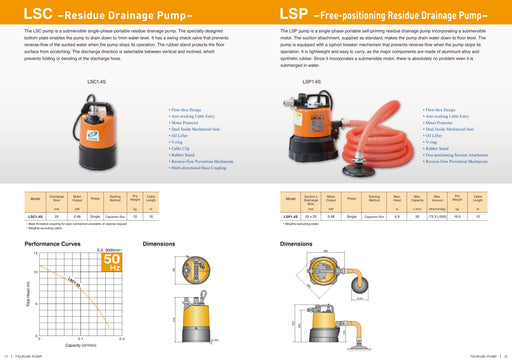
The Tsurumi LSC1.4S is a single-phase submersible portable residue drainage pump designed for ultra low-level water removal down to approximately 1...
View full detailsComplete maintenance kit for ASM D-Series diaphragm pumps, containing essential wear components to restore pump performance and reliability. Design...
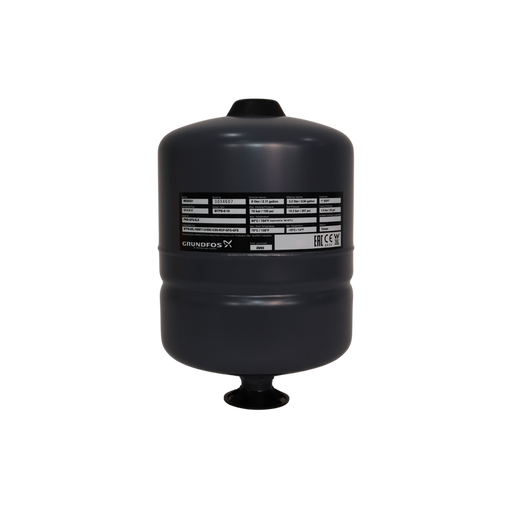
View full detailsThe Grundfos GT-H-18 PN10 G1 V is a compact steel pressure tank designed for drinking water applications. It features a non-toxic butyl rubber d...
View full detailsThe Davey Dynapond 8000 is a submersible centrifugal pond pump designed for continuous operation (24/7) in fountains, pond recirculation, wate...
View full detailsThe Tsurumi LSP1.4S is a single-phase portable self‑priming residue drainage pump incorporating a submersible motor, designed for fast removal of s...
View full details