3000+ Pumps & Parts
Pumps On Sale!
Fast Dispatch
If you’re an Australian pool owner whether you’re in Sydney, Brisbane, Perth or regional NSW the piece of equipment that often gets ignored until it’s too late is your pool pump. Yet it’s one of the most critical components of your pool’s circulation and filtration system. When the pump starts to fail, costs creep up, performance drops, water clarity suffers and you’re left spending more for less.
In 2025, with rising electricity prices and tighter regulation around energy efficiency, knowing when to replace pool pump Australia is no longer optional it’s smart pool ownership.
Your pump does more than just make bubbles. It:
Circulates water through the filter so debris, oils, and contaminants are removed.
Ensures even distribution of sanitising chemicals (chlorine, salt-system output) so you don’t get algae or dead spots.
Maintains good turnover in Australian residential pools typically you want the entire volume of water turned over within some hours so the filtration is effective.
When it fails or underperforms, you get higher energy bills, more wear on other equipment (filters, heaters) and poorer pool water quality.
Given all of this, recognising the early signs of deterioration is key.
Let’s drop the fluff if any of these apply, you’re playing with increasing risk and cost.
Weak water flow or low jet pressure from pool returns: If you notice the jets aren’t pushing as well, the pump may not be delivering the required flow. According to Aussie pool service groups, this is a clear warning sign.
Strange noises: Grinding, humming, squealing motors or bearings failing means the pump is under stress.
Leaking pump housing, seals or motor: Water around the pump motor, rust, damaged seals these reduce efficiency and accelerate failure.
Significantly higher running costs: If your pool’s energy usage rises sharply, especially if you haven’t changed usage, your pump might be inefficient or failing. Efficiency drops fast with older single-speed units.
Overheating or frequent tripping of motor: Older or overloaded pumps will overheat, risk motor burnout, and shorten lifespan.
Pump is very old: Many domestic pool pumps in Australia last around 8-12 years. After that, efficiency drops and failure risk increases.
Poor filtration / cloudy water despite normal chemical levels: If water quality dips but everything else seems fine, the pump may not be doing its job.
System upgrades or changes in usage: If you install a new heater, larger filter, water features, then your old pump might not be sized correctly any more meaning replacement is needed.
If you’re ticking off one or more of those, your pool pump is no longer delivering value. The window for cost-effective replacement is now.
Knowing the cost helps you decide whether you’re procrastinating for too long.
Type of pump: Single-speed vs dual-speed vs variable-speed. Variable-speed (or inverter) pumps cost more up front but deliver large savings on running costs.
Pool size and plumbing layout: A larger pool, longer pipe runs, heavier head (pressure loss) means a more powerful pump is required larger cost.
Installation complexity: If your pump location is awkward, or you require replacement of unions, plumbing, electrical wiring or regulatory compliance, cost goes up.
Energy efficiency and star ratings: Pumps with high Australian efficiency ratings cost more but deliver better value over time.
Brand, warranty, features: Control timers, variable speeds, quieter motors all increase cost.
Your region: Installation labour in different states may vary.
As a rough guide:
Basic single-speed pool pump replacement (small to mid size pool) might run you around A$800-$1,200 installed (including motor, some plumbing).
A higher efficiency dual/variable-speed pump (for a larger pool or wanting better energy savings) might cost A$1,500-$2,500+ installed depending on size/features.
Pro tip: the price you pay is an investment consider not only purchase cost but lifetime energy cost.
What is the expected running cost (kWh) for my new pump vs old pump?
What is the warranty and after-sale support?
What is the expected pay-back period for the extra cost of high-efficiency pump?
Can you size the pump properly (flow rate, head pressure) rather than just choosing “next size up”? Incorrect sizing wastes energy.
If you’re just thinking “I’ll keep the old pump till it fails,” you’re missing both risk and opportunity.
Pool pumps are among the highest-energy appliances in a typical Australian home with a pool. The older your pump, the more you’re overpaying. According to Victorian Government energy advice: reducing pool pump costs should be a target. Sustainability Victoria
Variable-speed motors allow you to run at lower speeds for basic filtration, and ramp up only when needed (cleaning, backwashing). These motors are far more efficient than single-speed models. Madimack
Better system design: newer pumps are quieter, have smarter control/timers and can be aligned with off-peak electricity rates.
Savings on running cost: Some studies show energy consumption can drop by up to 70-80% when replacing a standard pump with high-efficiency model. John Brennan Pools
Imagine your old pump is costing you an extra $300-$500 per year in electricity (depending on size/usage/tariff). Replacing with an efficient model may cost you $1,500 upfront, but pay-back in 3-5 years, with many more years of lower cost after that. If you wait until it fails, you’re missing the saving window.
In 2025, with electricity costs rising and with increasing regulatory pressure around energy efficiency in Australia, delaying replacement is a financial risk.
Here’s your action checklist. If the answer to any of these is yes, you should consider replacement now.
Have you had the pump for 8+ years (or unknown age)?
Are you noticing higher energy bills for the same pool usage?
Are you hearing or seeing signs of mechanical failure (noise, leaks, weak flow)?
Is your water quality slipping even though filters/chemistry appear fine?
Are you using an old single-speed pump and want to reduce power consumption?
Have you made changes to your pool system (added heater, larger filter, water features) and your current pump may be undersized?
Do you live somewhere with high electricity tariffs (e.g., parts of NSW, QLD, WA) where pump running cost is significant?
Are you willing to invest upfront now to save long-term?
If you answered yes to three or more, don’t wait for the pump to break you’ll end up paying more in emergency service calls, higher bills, and disrupted pool use.
Here’s how to move from thinking about replacement to doing it prioritised.
Document pump age, model, motor speed (single/dual/variable)
Note your pool size (litres), use (seasonal/heated features), plumbing layout (pipe lengths, diameter)
Review your latest 12 months of electricity bills for pool equipment if isolated or estimate usage.
Contact at least two qualified pool equipment providers/technicians
Ask for sizing: flow rate (L/min or L/hr), total dynamic head (pipe resistance) you want a correctly sized pump, not just “bigger is better”.
Ask for cost breakdown: pump unit + installation + any plumbing/electrical modifications
Ask for running cost comparison: old pump vs proposed new pump (kWh/year and cost)
Ask about warranties, service access, expected lifespan.
If budget is tight and pool small, a dual-speed upgrade might suffice.
If you run your pool often, have a large pool, or want long-term savings, go variable-speed/ inverter.
Ensure the pump you choose is energy-rated for Australia (MEPS stars etc) and fits your usage pattern.
Pick a quieter period (off season) so installation disruptions are minimal.
Ensure installation includes correct plumbing alignment, correct electrical wiring (safety compliance), and start-up settings optimised.
Make sure old pump is disposed/recycled properly (some councils in Australia have e-waste rules).
Track electricity usage: compare your bills before & after.
Get the technician to set the correct run schedule: e.g., run at lower speed most of the day, increase for cleaning/backwash only when needed.
Regular maintenance: clean pump basket, check seals, ensure ventilation to motor. A new pump lasts far longer if maintained.
Set a calendar reminder: in 8-10 years you’ll likely need to evaluate again.
Q1: How long does a pool pump last in Australia?
A1: Typically domestic pool pumps last around 8-12 years in Australia, depending on usage, climate, and maintenance. Running all year, in harsh conditions, may shorten life. If your pump is over 8 years and showing signs of wear, replacement should be considered.
Q2: Will replacing my pool pump really reduce my electricity bill?
A2: Yes, especially if you replace an older single-speed pump with a modern variable-speed unit. Energy savings of up to 70-80% have been reported in Australia.
Q3: Can I just repair my old pump rather than replace it?
A3: Repairs might be cost-effective if the issue is minor (seal, impeller). But if the pump is ageing, inefficient, causing high bills, or undersized, replacement is usually the smarter long-term decision. You may be throwing money at a failing system.
Q4: How much will pool pump replacement cost me in Australia?
A4: Depends on size, type, installation complexity. For many residential pools you might expect roughly A$800-$1,200 for a basic replacement, and A$1,500-$2,500+ for a high-efficiency model in 2025. Always get a quote. (Costs vary by state, labour, and features.)
Q5: What type of pump should I get single-speed, dual-speed or variable-speed?
A5: For many older systems, single-speed is common but inefficient. Dual-speed gives some flexibility. Variable-speed (inverter) pumps cost more up front but deliver large energy savings and quieter operation often the best investment if you’ll keep the pool for many years.
Q6: Do I need to worry about head pressure (plumbing resistance) when replacing?
A6: Yes. Incorrect sizing (ignoring head pressure, pipework length/diameter) leads to poor performance or overspending energy. It’s not enough to buy a “bigger” pump it needs to match your pool’s hydraulics.
Electricity tariffs in Australia continue to climb. Delaying replacement means you pay more each year in running costs.
Energy efficiency regulation is tightening; older inefficient pumps may become less supportable or harder to replace parts for.
Many pool manufacturers (and distributors) are focusing on variable-speed models now older models may get discontinued, making parts more expensive.
If you’re planning to sell your home, having efficient pool equipment is a positive selling point in high-end markets (Aussie pools are premium features).
As sustainability becomes more important to homeowners, pool systems that waste energy will stand out you’re not just maintaining a pool, you’re maintaining cost-effectiveness.
If you’re looking for high-quality pumps, check our range at Pumptastic. Or Need help? Contact us for a quote.” Or Explore Tsurumi Pumps for durable performance.
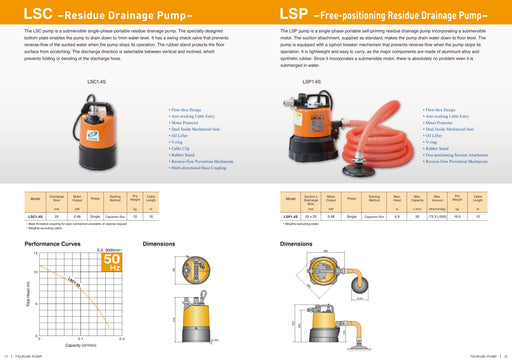
The Tsurumi LSC1.4S is a single-phase submersible portable residue drainage pump designed for ultra low-level water removal down to approximately 1...
View full detailsComplete maintenance kit for ASM D-Series diaphragm pumps, containing essential wear components to restore pump performance and reliability. Design...
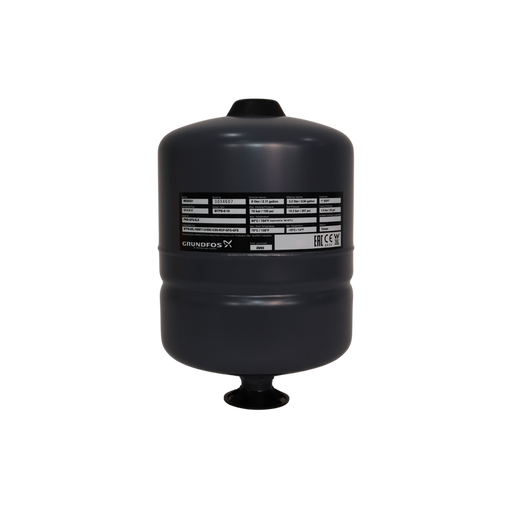
View full detailsThe Grundfos GT-H-18 PN10 G1 V is a compact steel pressure tank designed for drinking water applications. It features a non-toxic butyl rubber d...
View full detailsThe Davey Dynapond 8000 is a submersible centrifugal pond pump designed for continuous operation (24/7) in fountains, pond recirculation, wate...
View full detailsThe Tsurumi LSP1.4S is a single-phase portable self‑priming residue drainage pump incorporating a submersible motor, designed for fast removal of s...
View full details