3000+ Pumps & Parts
Pumps On Sale!
Fast Dispatch

Fast, tough and built for our conditions why a semi‑vortex, single‑phase submersible like the Tsurumi LB‑800A should be your go‑to for site dewatering, flood cleanup and everyday tradie work.
Australia’s weather whiplash La Niña deluges in one season and bone‑dry work sites the next has made reliable dewatering kit non‑negotiable. Whether you’re a civil contractor keeping a trench dry, a facilities manager dealing with stormwater on a carpark, a farmer clearing a sump, or a homeowner confronting a flooded basement after a summer storm, a portable submersible drainage pump with real‑world grunt saves time, money and headaches.
Enter the Tsurumi LB‑800A: a single‑phase, portable submersible drainage pump with a semi‑vortex impeller and automatic electrode control. It’s slim, tough and built for dirty water. If you want the short version: plug it into 240V, drop it in, and it quietly chews through sandy, silty water that would choke lesser pumps.
Looking for specs, pricing or lead times? See the Tsurumi LB-800A Single Phase product page on Pumptastic for the current details and availability.
A semi‑vortex impeller creates a turbulent swirl inside the volute that keeps fine solids suspended and moving. Translation: it’s far less likely to clog on the stringy, gritty mix we see all over Australia think clay fines in the east, sand and silt in WA, or leaf litter after a storm. Compared with a pure vortex or a closed impeller, semi‑vortex is a sweet spot for drainage jobs: good wear life, good solids handling and stable performance.
Here’s where the LB‑800A earns its keep across Australia:
Construction & civil – Dewatering footings and pits, keeping formwork dry, managing groundwater seepage, and pumping stormwater off slabs. The slim body slides into narrow pits and around reinforcement.
Mining & quarries – Clearing sumps, keeping access tracks passable, and moving muddy water away from conveyors.
Plumbing & maintenance – Emergency response after burst mains, basement pump‑outs, lift wells, carparks and plant rooms.
Agriculture & regional – Clearing tanks and channels, de‑silt jobs after a blow‑through, seasonal stormwater control.
Residential & strata – Emergency flood cleanup, pond and pool maintenance, and temporary sump duties during renovations.
In a wet summer, being able to drop a portable submersible drainage pump straight into pooled water without priming or fuel is the difference between a fast recovery and a multi‑day mess. With a semi vortex impeller pump you keep silt and fine debris moving without constant stoppages for unclogging. In dry seasons, the same pump earns its keep on maintenance and small capital works no idling gear.
The LB‑800A is a single‑phase 240V unit, meaning it’s job‑site friendly across the country. For most jobs you can run it off a standard supply or a properly‑sized generator. The top‑discharge design cools the motor and lets you run it in tight spaces without kinking hoses. It pairs neatly with common 2‑inch (50 mm) lay‑flat or flex hose exactly what tradies already carry.
The LB‑800A’s automatic electrode relay senses water and starts/stops the pump without a bulky float. That’s gold in cramped pits where floats snag, and it dramatically cuts the risk of dry‑running. Result: fewer call‑outs and longer service life. If you need manual control, the LB range also includes non‑auto variants but for most Aussie jobs, auto is the smarter choice.
1) Fewer clogs, more uptime. Semi‑vortex geometry keeps fines in suspension and resists stringy debris. That means less time yanking a pump out of a pit.
2) Real portability. Single‑phase, compact footprint, top discharge and sensible weight make it easy for one person to deploy quickly.
3) Safer in tight spaces. No exhaust, low noise and automatic stop minimise risk in basements, shafts and plant rooms.
4) Lower lifetime cost. Efficient hydraulics, robust materials and auto‑stop control help seals and bearings live longer. The savings show up in reduced repairs and downtime.
5) Works with the kit you’ve already got. 2‑inch hoses and standard power. No exotic fittings to chase at 6 am.
Semi vortex impeller pump design for dirty water with fines.
Single phase submersible pump 240V for easy power access across Aussie sites.
Automatic electrode submersible pump control no bulky float in tight pits.
Slimline submersible pump form factor for narrow pits and shafts.
2 inch submersible pump Australia standard fittings for common hoses and couplings.
Choose the LB‑800A when you need a portable, single‑phase submersible drainage pump for dirty water with fines and you want automatic water‑level control without a float switch. Typical use case: construction pits, trenches, stormwater sumps, ponds and flood cleanup where debris is mostly fine, not chunky. If you’re pushing heavy trash (big stones, sticks), you’re shopping in “trash pump” territory instead.
Before you plug in:
Check the pit for cables, rebar or rubble that could damage the cable or impeller.
Use a 2" lay‑flat or flex hose with a proper hose tail and clamp; secure the discharge hose so it can’t whip.
Add a strainer mat or paver under the pump in very silty pits to reduce grit ingestion.
If you’re on a generator, oversize it sensibly to handle start‑up current and keep voltage steady.
Deploy:
Lower the pump by the handle or a sling never by the power cable.
Keep the pump upright; avoid running it in a root mass or plastic sheeting that can block the inlet.
For auto operation, confirm the electrode is submerged and the unit cycles on/off correctly.
Run & monitor:
Avoid continuous dry‑running; the auto electrode should stop it, but don’t treat that as a dare.
Check the discharge end for kinks and keep a gentle bend radius.
Flush after gritty jobs. A few buckets of clean water at the end of the shift clears fines that eat seals.
Inspect the cable and grommet for nicks each time Australia’s sites are brutal on cords.
Check the hose tail and clamps before every deployment; vibration works things loose.
Listen for change. Growling bearings or unusual vibration are early warnings don’t ignore them.
Service on schedule. Seals and oil chambers last longer if you keep to a calendar, not just “when it breaks”.
1) Can I run the LB‑800A off a standard 240V power point?
Yes, this is a single‑phase 240V unit. Always use a circuit with RCD protection and follow site electrical safety rules.
2) Will it cope with sandy, silty water?
That’s its wheelhouse. The semi‑vortex impeller keeps fine solids moving and resists clogging. For chunky trash (sticks, stones), look at a dedicated trash pump.
3) Is it okay if the pump runs dry?
No pump likes to run dry. The LB‑800A’s automatic electrode is designed to stop the unit before damage occurs, but you shouldn’t rely on dry‑running as a normal operating mode.
4) What hose should I use?
A 2‑inch lay‑flat or flexible discharge hose with a proper hose tail and two quality clamps. Keep your bend radius gentle to maintain flow.
5) Can I use it for salt water?
Short exposures are common in stormwater work, but continuous saltwater duty accelerates corrosion. Rinse with fresh water after any saline job and ask about materials compatibility if saltwater service will be routine.
6) Will it fit into a narrow pit?
Yes,the LB range is designed slim to drop into tight spaces where bigger casings won’t go. Always measure your pit’s internal width and make sure there’s clearance around the inlet.
7) Can I run it on a generator?
Yes, choose a generator rated to handle the pump’s starting current and keep voltage stable. Avoid cheap, dirty power that shortens motor life.
8) What about noise?
Much quieter than surface petrol pumps. In basements and night works, that matters for neighbours and site fatigue.
9) How do I get parts and service in Australia?
Buy from a specialist who stocks parts, knows the LB series, and can support you when you’re on a deadline. (If you need help now, hit Contact us below.)
10) Which jobs aren’t a fit?
Heavy trash (large solids), high head/high pressure requirements, or liquid temperatures outside spec. That’s when you step up to a different pump class.
1) Define the job. Flow, head, duty cycle, power, solids profile. Don’t guess measure the vertical lift and the friction run.
2) Match the pump. The LB‑800A is the right choice when you need portable drainage performance in dirty water on single‑phase power with automatic level control.
3) Sort the ecosystem. Hoses, hose tails, clamps, strainers, RCDs and a sensible sling or chain. Set yourself up so every deployment takes minutes, not an hour.
4) Close the loop on maintenance. A service kit on the shelf beats a flooded site because a seal let go mid‑shift.
5) Train the team. The fastest way to kill a good pump is casual misuse. Five minutes of training pays for itself.
Browse the wider Tsurumi Pumps range for other dewatering, wastewater and trash pump options.
See More Tsurumi Pumps if you’re comparing flows, heads and duty types.
Have questions or need a quote for your site? Contact us and a specialist will help you specify the right setup for Australian conditions.
If you’re torn between pump types, use this rule‑of‑thumb:
LB‑800A (portable submersible drainage pump) – Best when you’ve got dirty water with fines, need automatic on/off, and want to drop‑and‑go on 240V. Quiet and safe indoors.
Petrol trash pump (surface) – Best for large solids and when you need very high flows over short runs. Loud, can’t run indoors, and needs fuel. Great for floodwater with debris, not great in a deep narrow pit.
Slim sump/utility pump (light‑duty) – Cheap and cheerful for clean water and occasional jobs. Struggles in gritty pits and won’t last like a contractor‑grade unit.
If you intend to run the LB‑800A on a generator, choose a quality unit with clean output and size for start‑up surge as well as running current. In practice that means:
Pick an inverter or AVR‑stabilised generator from a reputable brand.
Avoid long, skinny extension leads that cause voltage drop. Use heavy‑duty, short leads and keep joins off the ground.
Always run an RCD and keep connections out of pooled water.
Treat any standing water as potentially contaminated; wear PPE and manage runoff responsibly.
Never lift or lower by the power cable use the handle or a sling.
Keep kids, pets and bystanders away from the pit and trailing hoses.
Job type: drainage (dirty water with fines)Power: single‑phase 240V
Connection: 2″ discharge (50 mm)
Control: automatic electrode (no bulky float)
Best for: construction pits, trenches, sumps, stormwater, flood cleanup
Not for: big trash, extreme head/pressure, liquid temps outside spec
Essentials: 2″ lay‑flat hose + proper fittings, RCD, sling/chain, rinse after use
Pumptastic is an Australian pump specialist focused on durable, high‑performing solutions for tradies, contractors and facilities teams who can’t afford downtime. We stock the gear you actually need, support it with real‑world advice, and ship fast across Australia.
Next step: Check availability and specs on the Tsurumi LB-800A Single Phase, or compare across the full Tsurumi Pumps range. If you’re unsure, Contact us we’ll give you a straight answer and a clear recommendation for your job.
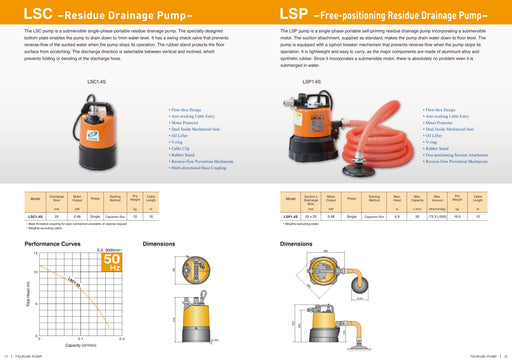
The Tsurumi LSC1.4S is a single-phase submersible portable residue drainage pump designed for ultra low-level water removal down to approximately 1...
View full detailsComplete maintenance kit for ASM D-Series diaphragm pumps, containing essential wear components to restore pump performance and reliability. Design...
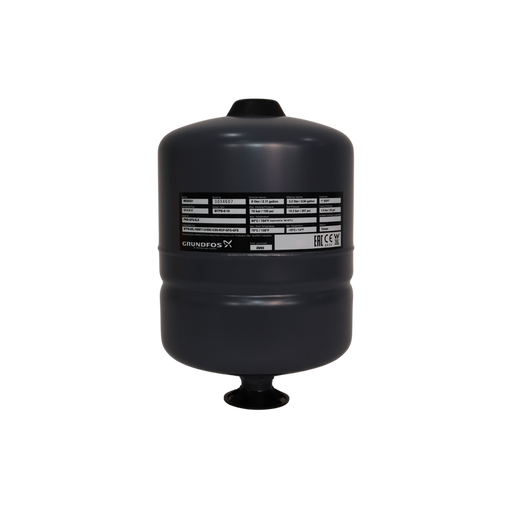
View full detailsThe Grundfos GT-H-18 PN10 G1 V is a compact steel pressure tank designed for drinking water applications. It features a non-toxic butyl rubber d...
View full detailsThe Davey Dynapond 8000 is a submersible centrifugal pond pump designed for continuous operation (24/7) in fountains, pond recirculation, wate...
View full detailsThe Tsurumi LSP1.4S is a single-phase portable self‑priming residue drainage pump incorporating a submersible motor, designed for fast removal of s...
View full details