3000+ Pumps & Parts
Pumps On Sale!
Fast Dispatch

Rainwater tanks are common across Western Australia due to water restrictions, rising utility costs, and the need for reliable water access in regional areas. However, a rainwater tank is only as effective as the pump connected to it. Choosing the wrong water pump leads to pressure loss, short cycling, premature wear, and ongoing maintenance costs.
This guide explains how rainwater tank pumps work, which pump types suit WA conditions, and how to choose the right system for your home or rural property.
Rainwater pumps must handle variable water levels, sediment, long pipe runs, and fluctuating demand. In Western Australia, heat, dust, and seasonal rainfall patterns place extra stress on pump systems.
A correctly selected water pump ensures
• Consistent water pressure
• Longer pump lifespan
• Lower energy consumption
• Reliable water supply for household or irrigation use
A rainwater tank pump draws stored water from the tank and delivers it to fixtures such as toilets, washing machines, garden taps, and irrigation systems. The pump activates when pressure drops and shuts off once demand is met.
Key system components include
• Water pump
• Pressure controller or pressure tank
• Inlet strainer or filter
• Delivery pipework
Each component must match the pump capacity and intended use.
Not all pumps perform the same. The pump type determines pressure stability, noise levels, and suitability for different water demands.
A pressure pump is the most common solution for residential rainwater tanks. These pumps automatically turn on when a tap is opened and maintain pressure throughout the system.
Best suited for
• Household water supply
• Toilets and laundry
• Garden hoses and sprinklers
Advantages
• Easy installation
• Consistent pressure
• Widely available across WA
Limitations
• Can short cycle if incorrectly sized
• Less tolerant of sediment without filtration
A progressive cavity pump is designed for situations where water quality, suction lift, or long pipe runs are challenging. These pumps move water smoothly using a rotating helical rotor.
Best suited for
• Rural properties
• Long-distance water transfer
• High sediment environments
Advantages
• Steady flow and pressure
• Excellent suction capability
• Reduced wear from abrasive particles
Limitations
• Higher upfront cost
• Requires professional sizing and setup
Rainwater tank pumps can be installed inside the tank or externally near the tank base.
Submersible pump benefits
• Quiet operation
• Protected from weather
• Reduced priming issues
External pump benefits
• Easier servicing
• Lower replacement cost
• Flexible upgrade options
For WA homes exposed to high temperatures, submersible pumps often last longer due to thermal protection from stored water.
Incorrect sizing is the most common mistake homeowners make. Bigger is not better.
To size a pump correctly, consider
• Number of outlets used simultaneously
• Distance from tank to fixtures
• Required pressure in bar or kPa
• Vertical lift height
Oversized pumps waste power and cause system stress. Undersized pumps lead to weak flow and frequent cycling.
Western Australian rainwater tanks often collect fine dust, organic matter, and roof debris. Without filtration, pump seals and impellers wear rapidly.
Recommended filtration stages
• Leaf diverter before tank entry
• Inlet strainer before the pump
• Inline filter for household supply
Good filtration extends pump life and maintains water quality.
With rising electricity prices, pump efficiency matters. Modern pressure pumps and progressive cavity pumps offer variable speed control that reduces power consumption during low demand.
Energy-saving tips
• Match pump size to actual usage
• Avoid constant on-off cycling
• Maintain clean filters
A well-sized pump typically pays for itself through reduced running costs.
Most pump failures come from installation errors, not manufacturing defects.
Common issues include
• Air leaks on suction lines
• No filtration protection
• Incorrect pressure settings
• Poor electrical protection
Professional installation and correct pump selection eliminate most of these problems.
What is the best water pump for rainwater tanks in WA homes
A pressure pump with an automatic controller suits most residential rainwater tank systems in Western Australia.
Can I use a pressure pump for both house and garden water
Yes, as long as the pump is correctly sized for simultaneous demand.
Are progressive cavity pumps suitable for rainwater tanks
Yes, especially for rural or high sediment applications where steady flow is required.
Should a rainwater tank pump be inside or outside the tank
Submersible pumps are quieter and protected, while external pumps are easier to service.
How long does a rainwater tank pump usually last
With correct sizing and filtration, a quality pump typically lasts 7 to 10 years in WA conditions.
If you are choosing a pump based purely on price, you are making a mistake. The right rainwater pump is selected based on application, environment, and demand, not marketing claims.
A properly selected water pump reduces maintenance costs, improves pressure stability, and ensures your rainwater system works year-round in Western Australia.
The Davey Dynapond 8000 is the mid-range powerhouse in Davey’s pond pump lineup, delivering stronger flow for larger ponds, waterfalls, koi systems...
View full detailsThe Tsurumi LSC1.4S is a single‑phase portable submersible residue drainage pump with a swing check valve. Its specially designed bottom plate a...
View full detailsThis multi-purpose capacitor for a variety of AC applications. It incorporates a plastic housing. Suitable for pool pump, submersible pump, bore pu...
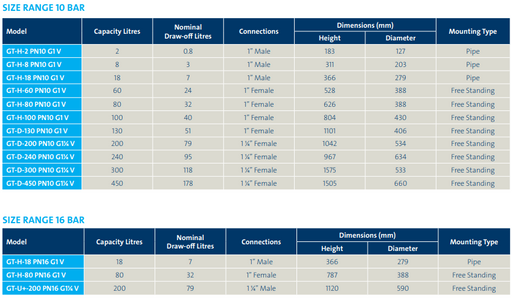
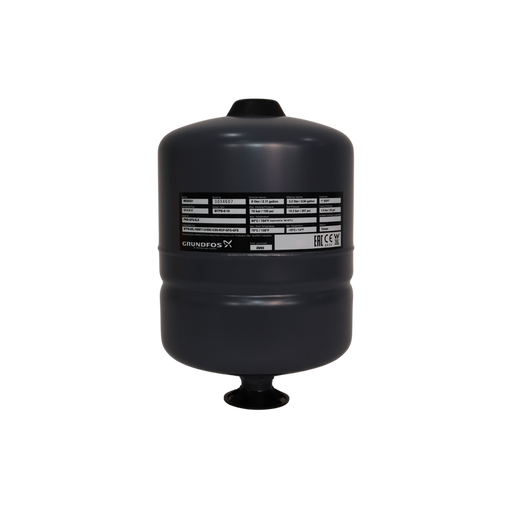
View full detailsThe Grundfos GT-H-60 PN10 G1 V is a steel pressure tank designed for drinking water applications, featuring a non-toxic butyl rubber diaphragm and...
View full detailsThe Grundfos GT-H-18 PN10 G1 V is a compact steel pressure tank designed for drinking water applications. It features a non-toxic butyl rubber d...
View full details