3000+ Pumps & Parts
Pumps On Sale!
Fast Dispatch
If your pool pump has started sounding like a jet engine, a rattling toolbox, or a grinding coffee machine at 6 AM, you’re not alone. Across Australia from suburban backyards in Sydney to large properties in regional Queensland pool pump noise is one of the top frustrations for homeowners. And ignoring it isn’t harmless. Noise is a symptom, and that symptom is almost always tied to a looming failure or severe inefficiency in the system.
This guide breaks down the real causes behind pool pump noise, the fixes that actually work in 2025, and what Australian homeowners must understand about the different types of pumps commonly used around pools and water systems. Whether you’re dealing with a submersible pump, a sump pump, a water transfer pump, a progressive cavity pump, or a traditional water pump setup connected to a water tank and pump system, the principles are the same: noise means something is off.
And if you want access to pumps, repair parts, or replacements trusted across Australia, visit Pumptastic.
Most pool pumps are exposed to outdoor conditions: heatwaves, sudden cold snaps, dust, leaves, flooded pump enclosures, and even termites depending on the region. Australia’s harsh climate accelerates wear faster than homeowners expect.
Here are the real, root-level reasons pumps get noisy:
Air infiltration is the number one cause of noisy pumps. When air gets into the line, the pump loses its smooth hydraulic flow and starts to rattle or whine. A priming pump issue or an incorrectly sealed lid often causes this.
If the pump sounds like a grinding blender, the bearings are deteriorating. This happens faster in humid or coastal regions like NSW’s South Coast or Queensland’s shoreline.
A blocked impeller causes humming, whirring, and vibration. Australian pools collect eucalyptus leaves, seed pods, bark, and gum nuts common culprits.
Poor alignment, cheap mounting bases, or weak concrete slabs create excessive vibration.
Not all pumps are built for Australian conditions. Models like davey pumps and grundfos pumps are known for durability, and many homeowners eventually upgrade to them because they run quieter and longer than generic alternatives.
A healthy pool pump should hum, not roar. Here’s the Australian standard benchmark homeowners can gauge:
Normal noise: 50–65 dB
Concerning: 70–80 dB
Urgent: Anything above 85 dB
If your pump hits the urgent range, you’re not just risking damage you’re also risking breaching noise compliance rules depending on your council.
No fluff. No generic tips. These are the fixes that consistently solve pump noise issues in Australian homes today.
Most pumps get noisy because:
The pump lid isn’t sealed tight
The O-ring is dry or cracked
The union fittings are loose
What works:
Clean the O-ring groove
Lubricate using silicone lube (never petroleum)
Replace damaged O-rings
Tighten fittings by hand, not tools
This alone solves noise issues in 30–40% of Australian cases.
If the pump vibrates aggressively, the surface is the problem.
Solutions that work:
Install an anti-vibration rubber mat
Ensure the pump sits on a solid, level slab
Add vibration blocks if you have a lightweight housing
Vibration noise is more common in older homes where slabs have shifted over time.
Signs your impeller is clogged:
Pump hums but doesn't push water
Low flow rate
Rattling noise
Australian pools collect more organic debris than most countries, especially from native trees. Regular impeller cleaning is essential.
Grinding noise = bearing failure.
Bearing failure = immediate action required.
You can replace bearings, but most Australian homeowners replace the motor or the entire pump because the cost difference is small and new models are far more energy-efficient in 2025.
Upgrading to durable brands such as davey pumps, grundfos pumps, or Tsurumi Pumps reduces long-term maintenance and noise issues.
Some pump types are inherently quieter than others. For example:
A positive displacement pump is powerful but can be louder under strain.
A progressive cavity pump is smooth but sensitive to improper installation.
A water transfer pump can get noisy when used near its maximum head height.
A submersible pump is often quieter, but not always suitable for pool filtration.
A sump pump that’s not mounted correctly becomes loud very quickly.
Understanding the different types of pumps is crucial because the wrong choice will always run louder than it should.
If your current model is old or mismatched for your pool size, upgrading will instantly reduce noise.
Heat makes pumps louder. Australian summers push pump temperatures dangerously high.
Improve ventilation by:
Opening vents
Removing clutter
Adding a small ventilation fan
Rebuilding housing with better airflow
This alone can drop noise by up to 10 dB.
If the pump is too strong for the system, it cavitates producing a loud roaring noise.
Common mismatches in Australia:
Oversized pumps on small backyard pools
Incorrect pipe diameter
Pump too strong for the filter
This is where speaking with a pump specialist matters. If you need guidance, reach out via Contact us.
Understanding how pump types behave helps determine the correct fix:
Most common. Noise signals airflow, blockages, or worn bearings.
Quieter by design, but vibration increases if not fully submerged or if debris gets inside.
Smooth but requires perfect alignment. Noise means internal wear.
Strong but louder; commonly used in agricultural or industrial settings.
Loud humming often points to debris or incorrect mounting.
Noisy operation often stems from incorrect priming, a failing priming pump, or location vibration.
Noisy when pumping near maximum lift height or if cavitation occurs.
Both known for reliability and quiet operation, which is why they’re popular in Australian homes.
Here’s what Australian homeowners should be doing at minimum:
Clean skimmer and pump baskets weekly
Avoid letting leaves pile around pump housing
Flush the system monthly
Keep pump housing dry to avoid bearing rust
Check the impeller every 3 months
Re-prime the system anytime the pump sucks in air
Most pump failures come from simple neglect not mechanical issues.
Probably not. Many councils consider anything above 6–10 dB over ambient noise illegal during night hours. If your pump is loud enough to notice indoors, it’s already too loud.
If the pump is more than 6–8 years old, replacement is usually smarter. Modern pumps are quieter and dramatically more energy-efficient.
Reliable options include davey pumps, grundfos pumps, and Tsurumi Pumps. These brands are designed to withstand heat, dust, and humidity.
Heat increases electrical resistance, raises motor temperature, and causes bearings to expand. Poor ventilation makes it worse.
Grinding, screeching, rattling, or sudden increases in noise all indicate mechanical failure. Turn it off immediately.
If you hear:
Grinding
Screeching
Loud rattling
Electrical buzzing
Strong burning smell
Stop running the pump.
These conditions damage the motor quickly and may pose a fire risk.
If you need guidance or a replacement recommendation, reach out via Contact us.
Replace the pump if:
Repairs exceed 40% of new pump cost
The pump is over 8 years old
Motor is overheating repeatedly
Electricity bills are rising
Noise is constant even after cleaning
When replacing, ensure the pump suits your pool’s flow requirements and plumbing dimensions.
You can find durable replacement options on Pumptastic.
Click here for more pool pumps
The Davey Dynapond 8000 is a submersible centrifugal pond pump designed for continuous operation (24/7) in fountains, pond recirculation, waterf...
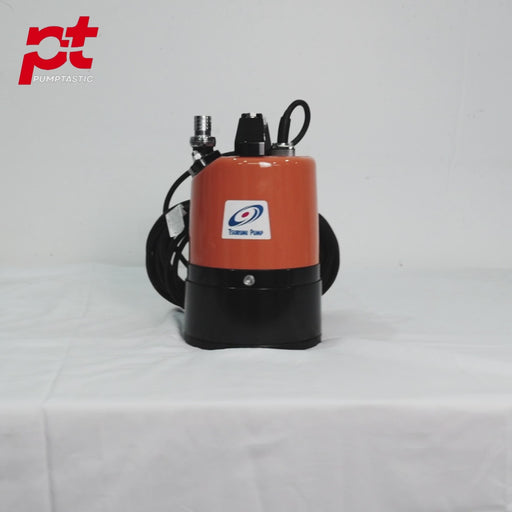
View full detailsThe Tsurumi LSC1.4S is a single‑phase portable submersible residue drainage pump with a swing check valve. Its specially designed bottom plate a...
View full detailsThis multi-purpose capacitor for a variety of AC applications. It incorporates a plastic housing. Suitable for pool pump, submersible pump, bore pu...
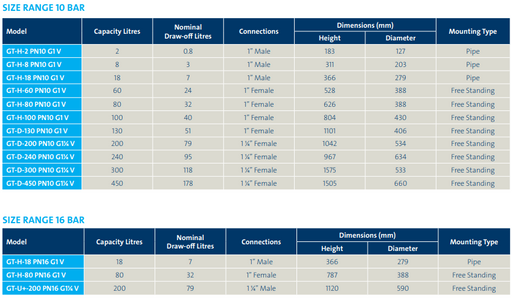
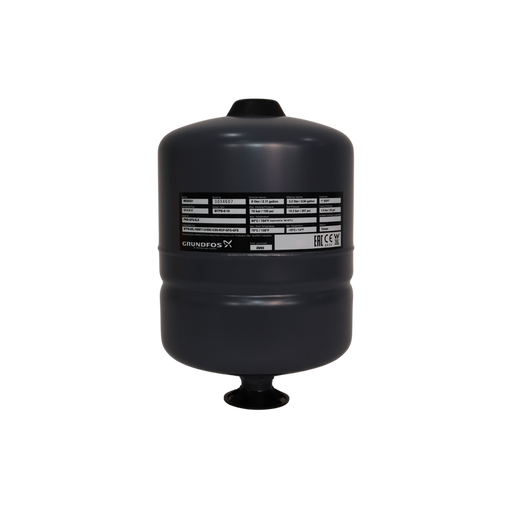
View full detailsThe Grundfos GT-H-60 PN10 G1 V is a steel pressure tank designed for drinking water applications, featuring a non-toxic butyl rubber diaphragm and...
View full detailsThe Grundfos GT-H-18 PN10 G1 V is a compact steel pressure tank designed for drinking water applications. It features a non-toxic butyl rubber d...
View full details