3000+ Pumps & Parts
Pumps On Sale!
Fast Dispatch
Whether you’re managing a suburban home in Brisbane, a coastal property near Sydney, or a remote site in Western Australia, your sump or sewage pump is a hidden lifeline. Neglect it and you invite expensive breakdowns, environmental risk and major disruption. This guide gives you the sump pump maintenance checklist Australia really needs no generic copy-pasta. We’ll cover why Aussie conditions matter, what you must check, common questions Australians ask and how to protect your investment long-term.
Australia isn’t a one-size environment. Humid coastal zones, inland flood plains, termite zones, extreme heat, and heavy seasonal downpours all place unique demands on pump equipment. For example:
High humidity + saline air near the coast accelerate corrosion.
Inland flooding or heavy rainfall can push the pump to work harder / more frequently.
Remote locations may face power supply issues or longer repair lead times.
So your maintenance approach must factor in the local climate and site conditions. A generic pump check in the USA or Europe won’t cut it here.
Monthly checks
Visual inspection: Ensure the basin/pit is free of debris, silt or foreign objects. A blocked inlet will shorten pump life dramatically.
Operate the pump manually (if safe) and listen for unusual sounds: grinding, clanking or labouring. Early noise often signals bearing wear or blockage.
Check float or level-switch operation. In Australian homes with variable rainfall, the level switch may sit idle for long stretches and seize up.
Inspect power connection/cable: Especially if installed externally or in humid zones; look for corrosion, fungal growth, exposed wiring.
Check discharge line: Make sure it isn’t blocked, frozen (in southern states in winter), or terminating too close to property causing back-siphon issues.
Quarterly checks
6. Clean the pump: Remove and inspect the impeller, check for damage, algae, scale build-up (especially on bore-connected or salt-influenced systems).
7. Test the backup system (if fitted): Many Australian homes use a backup generator or battery system for sump pumps. Ensure it kicks in.
8. Check pit/pump chamber integrity: Cracks, soil movement, root intrusion (common in older suburbs) can compromise the pit and affect performance.
9. Check alarm systems: If your pump has an alarm or remote monitoring, test that it activates properly. A silent failure is the worst scenario.
10. Verify discharge termination and check valves: In flood-prone areas (e.g., northern NSW or Queensland), down-pours can cause back-flow; check the non-return or check valve is functioning.
Annual servicing
11. Professional inspection: Engage a qualified plumber or pump-technician to perform a full service lubricate bearings if required, verify motor efficiency, check starting capacitor (for electric models).
12. Review performance logs: If your system records cycles or has digital monitoring, review usage over the year large variances may indicate system stress, settlement, or external conditions changing.
13. Replace worn components: Bearings, seals, float-switches, backup battery (if any) should all be considered on a 12-18 month replacement plan, especially in harsh Aussie conditions.
14. Review system capacity: If your area has experienced increased rainfall, property modifications or ground-level changes, your original pump may no longer be adequate. It could be under-sized now.
15. Update documentation: Maintain drain diagrams, serial numbers, service dates. When you do eventually sell the property, documented maintenance adds value.
Sudden pump failure: In heavy rain or flooding, if your sump or sewage pump fails, the property can flood or sewage can back-up clean-up costs escalate in Australia due to soil, termite risk, mould.
Reduced lifespan: A well-maintained pump can last 8-15 years depending on use & environment; neglect cuts that dramatically.
Health and environmental hazards: Sewage backup introduces bio-hazards; also non-compliant discharge or failure to consider salt/corrosion in coastal zones can lead to regulatory issues.
Increased energy costs: A stressed pump that struggles uses more power and may require early replacement.
Coastal salt-air zones: Use corrosion-resistant components. Inspect more frequently for rust and wear.
Tropical and subtropical regions: Increased storm frequency means more cycles; schedule more frequent checks.
Remote/rural properties: Access to technicians might be slower invest in spare parts (float switch, cable) and remote monitoring.
Bush fire / drought conditions: While these don’t directly affect pump maintenance, power outages do. Ensure backup power or manual override is in place.
Urban redevelopment/subdivision areas: If your property’s run-off catchment changes (e.g., new adjacent housing), pump demand might increase include that in your annual review.
When specifying or replacing pumps, selecting high-quality units suited for Australian conditions matters. For example, look at the range of Tsurumi pumps. They are built for heavy duty, corrosive or sediment environments and many models are suited to Aussie sites. When installing one of the Tsurumi Pumps, ensure you:
Size it correctly for your catchment and discharge height.
Choose materials suited to the water chemistry (e.g., stainless steel if coastal).
Ensure the warranty and service supply are available in your region.
And once installed, commit to that rigorous checklist above.
You might balk at spending on regular servicing. But consider: a flooded basement or sewage back-up can cost tens of thousands in Australia, especially if walls, carpet and roofing materials are affected, or mould remediation is required. By contrast, a well-executed maintenance program is modest and prevents those major failures. Think of it as insurance.
How often should I service my sump pump in Australia?
Answer: At minimum monthly visual checks, quarterly cleaning/test and annual professional service though harsher environments (coastal, tropical storms) may demand more frequent checks.
What signs indicate a sewage pump is failing?
Answer: Unusual noises, slower discharge, frequent cycling, increased electricity use, musty odour, alarms triggering all of which demand immediate attention.
Is battery backup for sump pumps necessary in Australia?
Answer: Yes, especially in flood-prone areas or where power outages are common. A backup can mean the difference between safe operation and disaster during storms.
How do I choose the right pump for Australian conditions?
Answer: Size it for your expected load (rainfall, catchment), select corrosion-resistant materials for coastal or industrial zones, factor in discharge height, and verify local service support. Choosing quality brands like Tsurumi Pumps matters.
What maintenance do coastal homes need that inland homes don’t?
Answer: Coastal homes need more frequent inspection for corrosion, salt accumulation, faster wear on seals and electrical connections they must check wiring, terminals and structural components more often.
Here’s what Australians should prioritise this year:
Set up a maintenance calendar for monthly/quarterly/annual tasks (as above) and stick to it.
If you don’t already have a backup system (battery/generator) and you’re in a risk zone prioritise installing one.
Inspect environment conditions around your pump (site, discharge, debris, wiring) this weekend.
Document everything: date, what was done, condition. That builds value and reinforces discipline.
If your pump is older than 10 years, or you’ve had changes to property runoff, consider full review/upgrade this year.
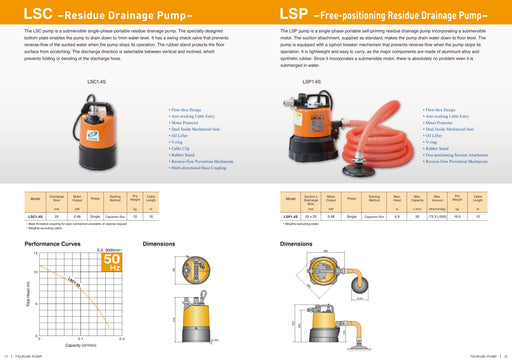
The Tsurumi LSC1.4S is a single-phase submersible portable residue drainage pump designed for ultra low-level water removal down to approximately 1...
View full detailsComplete maintenance kit for ASM D-Series diaphragm pumps, containing essential wear components to restore pump performance and reliability. Design...
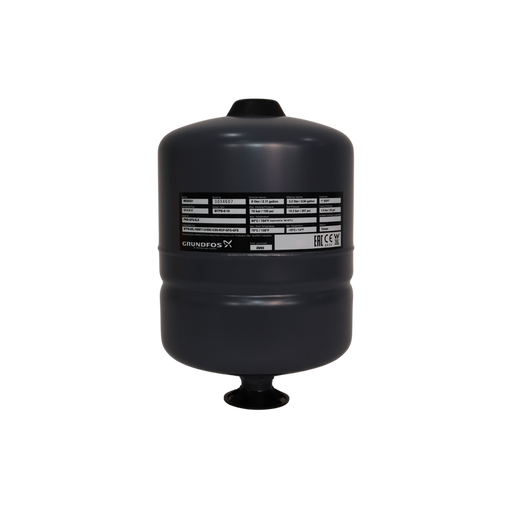
View full detailsThe Grundfos GT-H-18 PN10 G1 V is a compact steel pressure tank designed for drinking water applications. It features a non-toxic butyl rubber d...
View full detailsThe Davey Dynapond 8000 is a submersible centrifugal pond pump designed for continuous operation (24/7) in fountains, pond recirculation, wate...
View full detailsThe Tsurumi LSP1.4S is a single-phase portable self‑priming residue drainage pump incorporating a submersible motor, designed for fast removal of s...
View full details