3000+ Pumps & Parts
Pumps On Sale!
Fast Dispatch
In Western Australia (WA), one sizable cropping-and-horticulture property was negotiating a recurring headache: irrigation pump systems repeatedly failing at critical moments. This blog walks through how they resolved the problem, the steps they took, the equipment they chose and how you can apply these lessons on your own farm in Australia.
The farm is located in WA’s central agricultural belt, running irrigated crops during the dry summer months when reliable water movement is non-negotiable. But the irrigation pump stations were experiencing:
unplanned shutdowns mid-season because of motor faults and impeller wear
repeated downtime that delayed irrigation runs and stressed crops
high maintenance and emergency call-out costs each season
inefficient energy use because pumps were operating outside their optimum duty point
difficulty sourcing reliable spare parts in a timely manner
In short: downtime was hurting crop performance and hitting margins.
If you’re thinking “It’s just a pump”, you’re under-estimating the strategic cost. On Australian farms:
When an irrigation pump station fails during peak demand, you lose hours (or days) of water delivery. That delays irrigation, stresses plants, and reduces yield.
Emergency repairs cost premium labour and parts often at times when contractors are busy in peak season.
Inefficient pumps (running too far away from their best‐efficiency point, or operating under heavy wear) draw more power and increase farm overheads. A study in Australia found modernising pumps and motor systems saved energy and improved reliability.
Maintenance backlogs accumulate: neglected bearings, misalignment, filtration issues all increase the likelihood of breakdowns.
In WA and other dry areas of Australia, water-application windows are tight. A delay matters.
So when a farm chooses to invest properly in the pump station rather than patching problems they protect the crop, reduce maintenance costs and minimise risk of season-critical downtime.
In this case the farm took a holistic approach: it wasn’t just buying a better pump, it was upgrading the system, controls, maintenance regime and monitoring. The key pillars:
Selecting pumps matching duty profile and environment
Installing monitoring and control to detect issues early
Preventive maintenance rather than reactive repairs
Process discipline: tracking downtime, analysing root-causes, training staff
The farm worked with a supplier to map out the irrigation duty profile: peak flow, head (pressure), suction conditions, water quality (abrasion, silt). Then they insisted on robust pumps with impellers and wear-parts rated for the conditions not just standard off-the-shelf units.
They replaced older pumps that had low efficiency and wore quickly with pumps better matched to the duty. For example, an Australian case study of irrigation pumps reports that optimising the best-efficiency point and matching the pump to the system saved significant energy and improved reliability.
They also considered equipment from reputable OEMs (for spares access in WA) and asked for service-history data.
It wasn’t enough to have a good pump; they added sensors, condition‐monitoring and alert systems so faults could be pre-empted.
For example, in Australia one article notes that monitoring pumps influences downtime, lifecycle cost and efficiency.
Their system included: real-time alerts for motor current spikes, pumps running off duty, vibration monitoring, and operator dashboards.
By catching small anomalies they avoided big breakdowns.
Rather than waiting for a failure, the maintenance regime was re-designed:
schedule inspections (bearings, seals, impellers, alignment, suction condition)
clean filters and strainers at regular intervals
check and adjust pump alignment and coupling as per OEM specs
maintain water quality (reduce debris, silt ingress) so the pump isn’t “fighting” extra load
track operating hours and service events in a log
The result: less surprises.
Technical equipment is only as good as the people using it. The farm invested in training for operators and maintenance staff: how to recognise warning signs, how to record events, how to respond when things appear abnormal. They also established metrics: downtime minutes per season, number of breakdowns, maintenance cost per pump station. Using data they could benchmark and improve each year.
After 12 months of the new regime:
Pump downtime was reduced by over 50%.
Maintenance cost (emergency repairs + call-outs) dropped significantly.
Energy consumption per megalitre of water pumped decreased (thanks to better efficiency).
Crop stress events due to “no-water” delays were eliminated.
Staff were more confident, response-times improved, and system reliability became a strong point.
The case shows the payoff: investing up-front in the right pump, monitoring and maintenance pays off quickly on an Australian farm, especially given the cost of failure.
Don’t treat the pump station as “just another cost”. It’s a critical system – downtime hits the crop.
Understand your duty-point (flow/head/water quality) and ensure the pump matches it. Oversized or under-matched pumps both bring trouble.
Monitoring counts. You won’t prevent what you don’t observe. A sensor or alert system gives you an early warning.
Maintenance isn’t optional. Reactive fixes cost more and disrupt operations. Scheduled maintenance pays dividends.
Train your team. Even the best equipment fails if operators don’t respond.
Reference Australian specificity: think of WA’s conditions water quality, remote locations, parts logistics. Factor that into equipment choice.
Use data. Track downtime, service events, costs, hours of operation. This allows continuous improvement.
Q1. What causes most irrigation pump breakdowns on Australian farms?
A: Common causes include wear from abrasive water/offsets, misalignment, motor overload, operating far from best efficiency point, insufficient suction conditions and poor maintenance.
Q2. How much downtime is “acceptable” for a pump station?
A: Ideally zero in critical seasons, but realistically you might aim for < 5-10 hours per season. Anything above that starts hurting crop scheduling and profitability.
Q3. Will replacing the pump alone fix the issue?
A: Not always. If the rest of the system (suction, filtration, controls, monitoring) is weak then the new pump will still struggle. The case study shows you need system-wide improvement.
Q4. How do I choose a good pump for my Australian farm?
A: Map out your duty point (flow/head), assess your water quality (abrasion/silt/sand), choose a reputable brand with parts/servicing in Australia, check pump efficiency curves and ask for a duty match certificate.
Q5. What is the ROI on investing in better equipment & monitoring?
A: In our case study the ROI came within one season thanks to reduced emergency repairs, less crop stress and lower energy cost. For many farms, improved reliability pays more through avoided losses than direct cost savings.
You can’t afford to treat the pump station as “out of sight, out of mind”. On Australian farms, especially in WA where irrigation windows are tight and conditions harsh, any downtime hits you hard. The case study shows a clear path: choose the right equipment for your duty, add monitoring and maintenance discipline, train your team, collect data and continuously improve.
If you haven’t reviewed your irrigation pump reliability recently, now is the time. The cost of doing nothing is high: crop stress, emergency repairs, wasted energy, lost yield. The opportunity cost of waiting is real. Make a plan: audit your pump stations, check operating history, key failures, pick up monitoring gaps, schedule maintenance, and commit to improvement.
For those interested in a trusted equipment brand and support: check out Pumptastic for pump solutions. Visit the Contact us page for a site-visit or quote. If you’re considering pumps, look at the Tsurumi Pumps collection and see more Tsurumi Pumps for options suited to tough Australian farm environments.
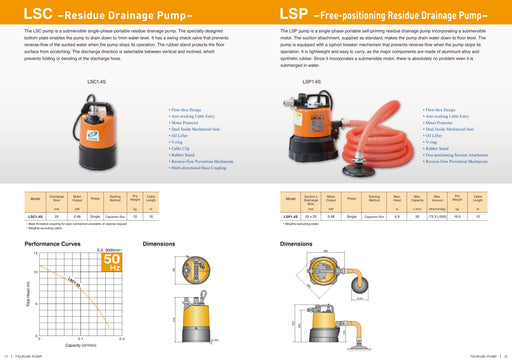
The Tsurumi LSC1.4S is a single-phase submersible portable residue drainage pump designed for ultra low-level water removal down to approximately 1...
View full detailsComplete maintenance kit for ASM D-Series diaphragm pumps, containing essential wear components to restore pump performance and reliability. Design...
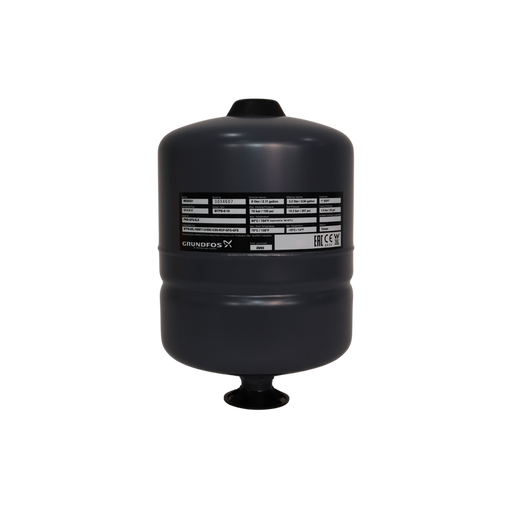
View full detailsThe Grundfos GT-H-18 PN10 G1 V is a compact steel pressure tank designed for drinking water applications. It features a non-toxic butyl rubber d...
View full detailsThe Davey Dynapond 8000 is a submersible centrifugal pond pump designed for continuous operation (24/7) in fountains, pond recirculation, wate...
View full detailsThe Tsurumi LSP1.4S is a single-phase portable self‑priming residue drainage pump incorporating a submersible motor, designed for fast removal of s...
View full details