3000+ Pumps & Parts
Pumps On Sale!
Fast Dispatch
In Australia, many homeowners assume their water system “just works”. But behind every tap, shower and appliance is a network of components managing water pressure and flow. If you ignore the pressure control components in your home water system, you risk leaks, inefficient pumping, noise, fixture damage and higher bills. This blog explains how pressure control components in home water systems work, why they matter for Australian homes, and what you should check to ensure your system is optimised.
Water pressure in a typical Australian residential plumbing system should sit in a safe and efficient band generally around 300 to 500 kPa for many homes. When pressure is too high or too low, problems emerge.
High pressure may feel like a “strong” shower or faster fill of the bath. But it comes at a cost. Excessive pressure can cause banging pipes (water hammer), premature wear on fixtures and appliances, increased risk of leaks and bursts, and wasted water.
When pressure is too low, you might get weak flow at taps, slow filling baths, or ineffective garden watering. It may signal that the pressure regulator is faulty, the pump is undersized or there’s a blockage.
Australia’s plumbing conditions vary widely: urban mains supply, rural bore or rainwater systems, multi-storey homes, changing elevations. Pressure regulation and control components (pressure tanks, switches, regulators) are particularly important when mains pressure is unstable or when the home draws from a bore or tank. For example, in regional properties you might use a booster pump or pressure tank to maintain constant flow.
Let’s break down the main components you’ll encounter in a home water system in Australia and how they each contribute to pressure control and system health.
A pressure reducing valve (PRV) sits on the incoming water supply and maintains a set maximum pressure into the home. If your mains supply is above the desired level, the PRV limits it, preventing damage and waste. For example, in Australia the plumbing code mandates that residential properties should not exceed ~500 kPa to avoid harm.
What it does:
Keeps incoming mains or pump supply at a safe, consistent pressure.
Protects internal plumbing from over-pressure.
Can contribute to water and energy savings because lower pressure means less flow and less waste.
What to check:
Confirm pressure gauge reading at your inlet.
Check if PRV is installed and in good condition.
In older homes without PRV, high pressure may be causing subtle damage (leaks, appliance wear) that you’re ignoring.
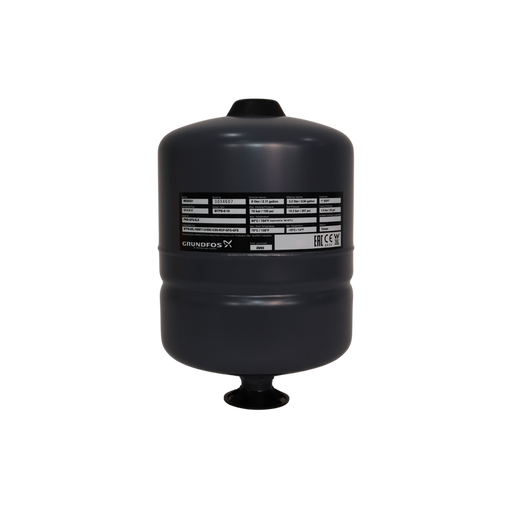
A pressure tank is often used in pump-fed systems (e.g., bore, tank, rural supply) to buffer pressure and reduce pump cycling. It stores water under pressure so the pump doesn’t turn on/ off every time a tap is opened slightly.
What it does:
Smoothes pressure fluctuations.
Extends pump life by reducing on/off cycling.
Helps maintain consistent flow when taps open/close quickly.
What to check:
Tank’s air charge is correct (if applicable).
Pump isn’t short-cycling (on/off rapidly) which is a sign the tank or switch is mis-set or faulty.
Observe whether your system feels “pulsating” or inconsistent flow this may indicate tank issues.
In pump-fed or booster systems you’ll find a pressure switch or electronic pressure controller. They detect when pressure drops (tap opens) and turn the pump on, and turn it off when pressure rebuilds. The electronic controller adds features like flow sensing and dry-run protection.
What it does:
Maintains the system within the preset pressure “on/off” limits.
Prevents damage to the pump by detecting “no flow” conditions (dry run).
Ensures homes with variable demand still get consistent pressure.
What to check:
The set points of the switch/controller are appropriate for your system.
The controller is functioning correctly: it should start pump when needed and shut it off properly.
There are no erratic pump cycles or rapid cycling which could indicate mis-set or failing equipment.
In modern installations you might have automatic pressure controllers/boosters that incorporate both pressure and flow sensors. These systems respond to demand, maintain constant pressure at varying flows, and are often used in multi-storey homes or where mains supply pressure fluctuates significantly.
What it does:
Maintains “constant pressure” regardless of whether one tap or multiple fixtures are running.
Improves overall comfort and system responsiveness.
Reduces pump wear by smoothing transitions and avoiding over-pressure or “dead heading”.
What to check:
Are you experiencing pressure drops when multiple taps are in use? If yes, you might need a constant-pressure system upgrade.
Ensure any electronic controller is properly maintained, protected from surge, and serviced periodically.
Let’s address typical scenarios Australian homeowners face, how pressure control components intervene, and what to watch out for.
Cause: Likely high pressure and/or lack of adequate cushioning (pressure tank or proper switch setting).
Solution: Check if your PRV is set too high or failing; install or service a pressure tank; check pump cycling. Installing a pressure reducing valve can mitigate water hammer and excess wear.
Cause: Could be low mains pressure, poorly set regulator, clogged pipe/fixture, or inadequate pump/tank system.
Solution: Use a pressure gauge to measure inlet pressure. Check all pressure control components: regulator, switch, tank. Ensure piping is not severely corroded or blocked.
Cause: Pressure tank air may be lost, switch dead-band too narrow, or control device malfunctioning.
Solution: Service or replace pressure tank, reset switch settings, consider upgrading to auto pressure controller.
Cause: High pressure means more water flow than necessary; this stresses plumbing and uses more water/energy.
Solution: Lower the set pressure via PRV; inspect for leaks; ensure all pressure control components are working correctly.
Here’s a prioritized plan. Implementing all of this will give you a reliable home water system suited to Australian homes.
1. Measure first.
Attach a water pressure gauge to the main inlet (hose bib near water meter). Record pressure.
Compare against recommended residential range (300-500 kPa). If significantly outside, action is needed.
2. Inspect the regulator/PRV.
If your home has no regulator and you suspect high mains pressure, install one.
Check if regulator is correctly set; if it’s failing you may see fluctuating or excessive pressure.
For older homes especially in high-elevation suburbs (which often receive high mains pressure) a PRV is critical.
3. Check pump and tank systems (if applicable).
If using a bore, rainwater tank or booster, verify pressure tank air charge and good health.
Check pressure switch or controller settings: cut-in pressure, cut-out pressure, dead-band.
Consider upgrading to an automatic pressure controller if demand or usage is variable.
4. Monitor system behaviour under load.
Test with one tap open vs multiple taps. Do you see pressure drop? Are you getting full flow?
Do you hear banging or see alarms or rapid cycling? If yes, tune your components.
Ensure you’re not ignoring minor symptoms (small leaks, slow fill) they accumulate cost over time.
5. Preventive maintenance.
Service PRV, pressure tank, switches, electronic controllers every couple of years.
Replace old or corroded fixtures/pipes which degrade performance and interfere with proper pressure control.
Ensure any added control components comply with Australian plumbing standards and local water authority rules.
6. Future-proof.
If you expand your house (second storey, add more bathrooms), anticipate increased demand on your pressure system. Consider installing systems that maintain constant pressure under varying load.
For rural or semi-rural homes where mains supply is less reliable, invest in quality pump systems with appropriate control components to avoid frequent issues.
Q 1: What is the ideal water pressure in a home in Australia?
Most residential homes in Australia aim for between about 300 to 500 kPa at the inlet. Pressures significantly outside this range cause problems.
Q 2: Do I need a pressure reducing valve (PRV) if my mains pressure seems “strong”?
Yes, even if you don’t see an issue now, high mains pressure can shorten the lifespan of fixtures, cause silent leaks, and cost you through higher bills and maintenance. It’s better to install a quality PRV early.
Q 3: My pump is switching on and off rapidly (short cycling). What component is likely at fault?
Short cycling typically points to a faulty or incorrectly sized pressure tank, or a mis-set pressure switch/controller. Inspect the tank’s air charge and the cut-in/cut-out settings.
Q 4: Why does the water pressure drop when multiple taps are used simultaneously?
If your system doesn’t have a constant-pressure device or is sized incorrectly, the pump may not keep up with higher demand. The solution could be upgrading the pressure control system (e.g., pump + automatic controller + tank).
Q 5: Is high water pressure connected to higher water bills?
Yes. Higher pressure means higher flow (litres per minute) when taps are open, more wear on fixtures, and more water wasted. Water authorities in Australia recognise this and may encourage or require pressure management.
For Australian homeowners, pressure control components in your home water system are not optional niceties they are essential pieces of infrastructure. Ignoring them means you’re accepting increased risk of leaks, higher bills, poor performance and shorter equipment life. By measuring your pressure, installing or servicing regulators, switching or controllers, and maintaining your system, you protect your property and ensure the water system delivers reliably.
Don’t wait until a burst pipe or worn-out pump forces costly repairs. Take control now.
The Tsurumi LSC1.4S is a single-phase submersible portable residue drainage pump designed for ultra low-level water removal down to approximately 1...
View full detailsComplete maintenance kit for ASM D-Series diaphragm pumps, containing essential wear components to restore pump performance and reliability. Design...
View full detailsThe Grundfos GT-H-18 PN10 G1 V is a compact steel pressure tank designed for drinking water applications. It features a non-toxic butyl rubber d...
View full detailsThe Davey Dynapond 8000 is a submersible centrifugal pond pump designed for continuous operation (24/7) in fountains, pond recirculation, wate...
View full detailsThe Tsurumi LSP1.4S is a single-phase portable self‑priming residue drainage pump incorporating a submersible motor, designed for fast removal of s...
View full details