3000+ Pumps & Parts
Pumps On Sale!
Fast Dispatch
If you are trying to move water from one place to another, there is a good chance you have already come across centrifugal pumps. They are used across Australian homes, farms, irrigation systems, commercial buildings and industrial sites because they are simple, reliable and effective when matched to the right job.
But here is where buyers get it wrong: they hear “water pump” and assume every pump does the same thing.
That mistake can cost you money.
A centrifugal water pump is excellent for moving clean water, boosting flow, supporting irrigation and supplying water across short to medium distances. But if you need higher pressure, longer pipe runs or more demanding commercial use, you may need a multistage pump instead. If you are pumping from deep underground, a different pump type may be more suitable.
This guide explains what a centrifugal pump is, how it works, where it is used, and what to check before you buy.

A centrifugal pump is a water pump that uses a rotating impeller to move liquid. The impeller spins inside the pump casing, creating force that pushes water outward and moves it through the discharge outlet.
In simple terms:
A centrifugal pump takes water in through the inlet, spins it with an impeller, then pushes it out under pressure.
Centrifugal pumps are commonly used for:
|
Application |
Common Use |
|
Homes |
Water transfer, garden watering, pressure boosting |
|
Farms |
Irrigation, tank transfer, livestock water supply |
|
Commercial sites |
Water circulation, washdown, building services |
|
Industrial systems |
Process water, cooling, transfer systems |
The NSW Department of Primary Industries notes that radial-flow centrifugal pumps are commonly used for irrigation and can be installed vertically or horizontally, depending on the system design. It also lists practical benefits such as above-water installation, portability and easier maintenance in suitable applications.
Not sure whether you need a centrifugal pump, pressure pump or multistage pump?
Speak with Pumptastic before you buy so you do not waste money on the wrong system.
A centrifugal pump works through four basic steps:
The key part is the impeller. This is the rotating component that gives the water energy. The faster it spins, and the better the pump is matched to the system, the more effectively it can move water.
However, more power does not always mean better performance. If the pump is oversized, poorly installed or connected to the wrong pipe size, it can waste energy, create pressure issues or fail early.
That is why buyers should not choose centrifugal pumps based only on price.
They should check:
|
Spec |
What It Means |
Why It Matters |
|
Flow rate |
How much water the pump moves |
Important for irrigation, tanks and supply demand |
|
Head |
How high or far the pump can push water |
Important for pressure and distance |
|
PSI |
Pressure output |
Important for taps, sprinklers and equipment |
|
Motor power |
Pump power rating |
Affects performance and running cost |
|
Suction capacity |
How well the pump draws water |
Important for surface water sources |
Pump performance is usually shown through flow rate and head. Engineering references describe pump head as the pressure difference the pump creates, while flow rate is the amount of liquid moving through the system.
Centrifugal pumps are popular in Australia because they suit many water movement jobs.
For homes, a centrifugal water pump may be used to move water from tanks, support garden watering or help with general water transfer. They are often chosen when the job needs steady water movement rather than deep-water extraction.
Farms often need pumps for irrigation lines, spray systems, water tanks, dams and livestock supply. Centrifugal pumps can be effective when water is coming from a surface source or where the suction requirement is not too deep.
Commercial sites may use centrifugal pumps for washdown systems, water circulation, transfer systems and building services. For more demanding pressure needs, a multistage pump may be the better option.
When a standard centrifugal pump is not enough, a multistage design can help generate higher pressure. Grundfos describes inline multistage pumps as suitable for installations where high head is needed, with several impeller stages connected in series.
Now that you understand the basics, the next step is choosing the right model.
Read How to Choose the Right Centrifugal Pump before comparing products.
This is where many buyers get confused. These pumps are not interchangeable.
|
Pump Type |
Best For |
Not Ideal For |
|
Centrifugal pump |
General water transfer, irrigation, circulation |
Deep bores or very high pressure jobs |
|
Multistage pump |
Higher pressure, longer pipe runs, commercial use |
Simple low-pressure transfer where a basic pump is enough |
|
Submersible pump |
Deep wells, bores, drainage, submerged use |
Above-ground transfer where access and maintenance matter |
A multistage pump is still a type of centrifugal pump, but it has multiple impellers or stages. More stages usually means more pressure or head.
That matters for:
For example, Pumptastic lists the Grundfos CR 3-10 vertical multistage centrifugal pump with a rated flow of 3 m³/h, rated head of 43.6 m, maximum head of 63.9 m and 10 stages. It is positioned for pressure boosting, water treatment, irrigation and solar water supply systems.
That is not the same type of job as a basic water transfer pump.
Before buying centrifugal pumps, you need to understand three numbers.
Flow rate tells you how much water the pump can move. This may be shown in:
For irrigation, flow rate matters because sprinklers, garden zones and farm systems need enough water volume to operate properly.
Head is the height or resistance the pump must overcome. It includes vertical lift, pipe length, friction loss and pressure demand.
A pump with higher head can push water further or higher.
PSI is a pressure measurement. As a rough guide, 10 metres of head is about 14.2 PSI.
|
Head |
Approx. PSI |
|
10 m |
14.2 PSI |
|
20 m |
28.4 PSI |
|
40 m |
56.8 PSI |
|
60 m |
85.2 PSI |
This is why head matters more than many buyers realise. A pump might have strong flow at low pressure, but struggle once pipe distance, elevation or sprinkler pressure is added.
|
Pump Example |
Rated Flow |
Rated Head |
Max Head |
Stages |
Best Fit |
|
Grundfos CR 3-2 |
3 m³/h |
9.6 m |
13.5 m |
3 |
Lower head commercial or water distribution |
|
Grundfos CR 3-10 |
3 m³/h |
43.6 m |
63.9 m |
10 |
Higher pressure boosting, irrigation, treatment |
Pumptastic product data lists the Grundfos CR 3-2 as a 3-stage vertical multistage centrifugal inline pump with 3 m³/h rated flow and 9.6 m rated head, while the CR 3-10 offers the same rated flow but much higher rated and maximum head because it has more stages.
If you are unsure about flow rate, head or PSI, do not guess.
Contact Pumptastic and ask for help matching the pump to your water system.
A centrifugal water pump is usually a strong choice when you need to move clean water efficiently.
Choose centrifugal pumps when you need:
But do not force a centrifugal pump into the wrong job.
You may need a different solution if:
This is the honest part most sellers avoid: buying the cheapest pump that “looks close enough” is not a strategy. It is a gamble.
Most pump problems start before installation. They happen at the buying stage.
Cheap pumps can become expensive if they fail early, cannot meet pressure demand or need replacement.
Flow rate alone does not tell the full story. You need enough pressure for the actual system.
Oversizing can waste energy, create control issues and increase wear.
Surface centrifugal pumps have limits. Deep bores and wells often need different pump types.
If you do not know your system requirements, ask before buying. The cost of advice is lower than the cost of a wrong pump.
If you already understand what you need, move to the buying stage.
Read Buy Centrifugal Pumps Online in Australia: What to Check Before You Order.
Centrifugal pumps are reliable, widely used and effective when matched correctly. For Australian homes, farms and businesses, they can handle many water transfer, irrigation and pressure support jobs.
But the right pump depends on your actual system.
Before you buy, check:
If the job needs higher pressure, compare a multistage pump. If you want a premium brand option, check whether a Grundfos centrifugal pump suits your application.
Need the right centrifugal pump without the guesswork?
Shop centrifugal pumps and multistage pump options at Pumptastic, or contact the team for help choosing the correct pump before you order.
The Davey Dynapond 8000 is a submersible centrifugal pond pump designed for continuous operation (24/7) in fountains, pond recirculation, waterf...
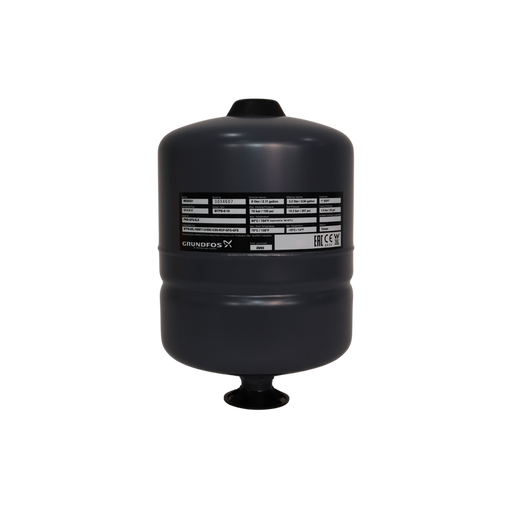
View full detailsThe Grundfos GT-H-18 PN10 G1 V is a compact steel pressure tank designed for drinking water applications. It features a non-toxic butyl rubber d...
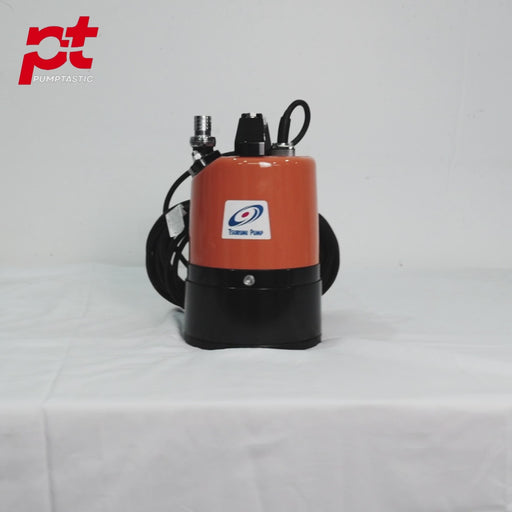
View full detailsThe Tsurumi LSC1.4S is a single‑phase portable submersible residue drainage pump with a swing check valve. Its specially designed bottom plate a...
View full detailsThis multi-purpose capacitor for a variety of AC applications. It incorporates a plastic housing. Suitable for pool pump, submersible pump, bore pu...
View full detailsThe Grundfos GT-H-60 PN10 G1 V is a steel pressure tank designed for drinking water applications, featuring a non-toxic butyl rubber diaphragm and...
View full details