3000+ Pumps & Parts
Pumps On Sale!
Fast Dispatch
Saltwater is one of the harshest environments any pump will ever face. Pick the wrong submersible pump and it will pit, corrode and seize within months. Pick the right one and it runs reliably for years. If you are pumping seawater, brackish bore water or saline groundwater anywhere in Western Australia, the best submersible pump for saltwater comes down to one decision above all others: the grade of material it is built from. This guide breaks down exactly which pump suits saltwater, why, and what to buy.

Seawater corrodes metal roughly five times faster than fresh water, and salt-laden coastal air accelerates the damage even further. Chloride ions strip the protective layer off ordinary steel and cast iron, triggering pitting corrosion and crevice corrosion in the worst possible places: around seals, gaskets and bolt threads. A standard 304 stainless or cast-iron sump pump can be perfect for clean water yet fail fast in saline conditions. That is why material selection, not horsepower, is the single most important factor when choosing a saltwater submersible pump.
Choosing a saltwater pump is really about choosing the right metallurgy. Here is how the common grades compare.
AISI 316 (EN 1.4401) stainless steel adds molybdenum for better chloride resistance than 304. It handles slightly aggressive and brackish water well, which covers many inland saline bores. In full-strength seawater, though, 316 is still prone to crevice corrosion over time, so treat it as a brackish and low-to-moderate salinity option rather than true coastal intake.
AISI 904L (EN 1.4539) is the grade Grundfos specifies for high-salinity water and seawater. With higher nickel, chromium and molybdenum, it resists the chloride attack that defeats 316. For genuine seawater duty, a 904L pump such as the Grundfos SP-R range is the long-term benchmark.
Where conditions are extreme, such as continuous seawater immersion or desalination intake, titanium (used in Tsurumi's TM series) and duplex stainless steel deliver the highest corrosion resistance you can buy. They cost more, but they outlast everything else in punishing marine service.
For smaller jobs, antishock engineering plastics like PBT and reinforced composites shrug off salt completely, which is why many 12V portable and bilge pumps use them. Bronze remains a proven choice for marine cooling and bilge duty, though it is softer than stainless.
The Grundfos SP is the original stainless-steel submersible, offered in 316 and 904L, with sacrificial zinc anodes available for cathodic protection in seawater. For saline bores, brackish irrigation and seawater intake, the 904L SP is hard to beat. Browse the full submersible bore pump range to match flow and depth.
Tsurumi builds purpose-engineered marine and corrosion-resistant submersibles, including titanium-cased models trusted across Australian shipyards, sea pens and coastal dewatering. If you are dewatering near the coast or handling seawater-mixed wastewater, Tsurumi is a go-to.
For saltwater transfer and drainage, Davey offers 316 stainless models with silicon carbide mechanical seals that stand up to abrasive, saline water. These suit washdown, troughs and lighter saltwater transfer.
Western Australia is a saltwater pump market unlike anywhere else. Much of WA's groundwater, from the Perth coastal plain through regional and Pilbara aquifers, is naturally brackish or saline, and coastal construction dewatering routinely pulls salt-affected water. WA mining sites also dewater hypersaline groundwater around the clock. For these conditions, 316 is often the minimum and 904L or titanium the safe long-term choice. See our Grundfos pumps for WA or talk to a local expert.
Start with salinity. Brackish bore water may suit 316, while true seawater needs 904L, titanium or duplex. Confirm the seal is silicon carbide, check whether zinc anodes are fitted for cathodic protection, then pair the pump with a quality pump controller and match flow and head to your site. Unsure? Our team will size it for you.
The most common and most expensive errors are dropping a freshwater 304 or cast-iron pump into saline water, skipping cathodic protection, and never rinsing the pump with fresh water after marine use. Each one slashes pump life and can void your warranty.
Yes, but only a pump rated for it. You need corrosion-resistant construction such as 904L stainless steel, titanium or engineered plastic. A standard freshwater pump will corrode quickly in saltwater.
904L is the better choice for genuine seawater because its higher nickel, chromium and molybdenum content resists chloride pitting. 316 is suitable for brackish and low-salinity water but can suffer crevice corrosion in full-strength seawater.
316 copes with brackish and slightly aggressive water and is fine for many saline bores. For continuous seawater exposure it is the minimum grade, and 904L or titanium will last considerably longer.
Titanium offers the highest corrosion resistance for marine duty, followed by duplex stainless steel and 904L. Engineered plastics are also fully salt-proof for smaller portable applications.
In true seawater, yes. A sacrificial zinc anode provides cathodic protection by corroding in place of the pump's metal parts, which extends service life. Grundfos SP pumps offer zinc anode kits for this reason.
With the correct grade (904L or titanium), proper cathodic protection and fresh-water rinsing after use, a saltwater submersible pump can last many years. The wrong material can fail within months.
For brackish WA bores, a 316 stainless pump may be enough, but for high-salinity or coastal bores the Grundfos SP in 904L is the standout. Salinity testing your bore first is the smart move.
Only if it is built from corrosion-resistant materials. Most general cast-iron sump pumps are designed for fresh water and will corrode in saltwater. Choose a salt-rated stainless or engineered-plastic model instead.
Rinse it with fresh water after marine use, inspect and replace sacrificial anodes as they wear, check seals regularly, and clear any salt or sediment build-up. This simple routine prevents most premature failures.
Pumptastic supplies corrosion-grade submersible pumps from Grundfos, Tsurumi and Davey, ships Australia wide, and offers expert sizing support for WA saltwater and saline-bore conditions.
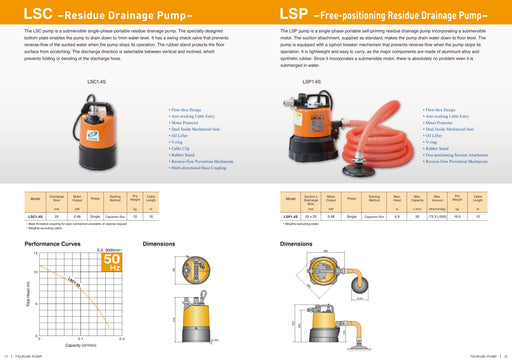
The Tsurumi LSC1.4S is a single-phase submersible portable residue drainage pump designed for ultra low-level water removal down to approximately 1...
View full detailsComplete maintenance kit for ASM D-Series diaphragm pumps, containing essential wear components to restore pump performance and reliability. Design...
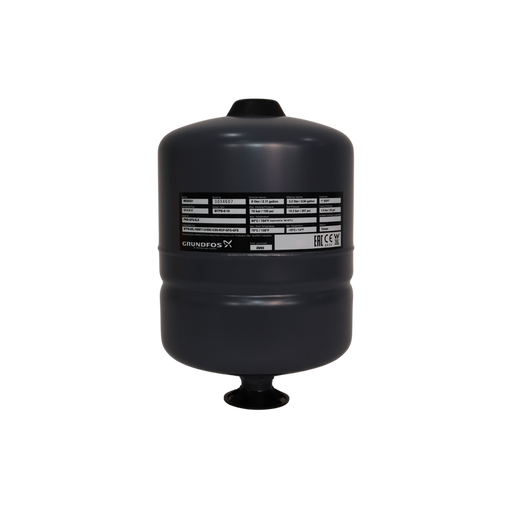
View full detailsThe Grundfos GT-H-18 PN10 G1 V is a compact steel pressure tank designed for drinking water applications. It features a non-toxic butyl rubber d...
View full detailsThe Davey Dynapond 8000 is a submersible centrifugal pond pump designed for continuous operation (24/7) in fountains, pond recirculation, wate...
View full detailsThe Tsurumi LSP1.4S is a single-phase portable self‑priming residue drainage pump incorporating a submersible motor, designed for fast removal of s...
View full details