3000+ Pumps & Parts
Pumps On Sale!
Fast Dispatch
If you’re relying on bore water in Australia, there’s a good chance your system is only performing at a fraction of what it could. Most people obsess over the pump model and ignore the fundamentals: bore water yield and bore recovery rate. These two factors dictate everything from bore pump sizing Australia to long-term groundwater sustainability.
This guide unpacks how bore yield actually works, how to measure it correctly, how recovery rate influences what size bore pump do I need, why a bore pump size chart only helps if you understand your bore depth flow rate, and how to avoid the costly mistake of installing a pump that outpaces your aquifer.
You’ll also see key search terms strategically integrated: bore pump sizing Australia, how to size a bore pump, bore pump size chart, what size bore pump do I need, bore depth flow rate, bore water pressure, progressive cavity water pump, bore pump horsepower guide, Australian bore pump guide, and bore bumps.
Your bore yield how much water your bore can supply per hour or minute is the absolute limit of what any pump can deliver.
People in Australia often oversize pumps because they want “more pressure,” but that’s not how groundwater works.
If your pump draws more water than the bore can recover, you get:
Excessive draw-down
Air intake
Sediment suck-in
Pump cavitation
Permanent damage to the aquifer
Your bore’s natural yield dictates your maximum sustainable flow. Everything else bore pump horsepower guide recommendations, system setup, pipe sizing comes after that.
Recovery rate is the speed at which water returns to the bore casing after pumping stops. High recovery = stable supply. Low recovery = extremely sensitive bore.
In Australia, recovery rate issues are common due to:
Seasonal groundwater fluctuation
Drought cycles
Over-pumping by neighbouring properties
Old bores with sediment build-up or bacterial growth
Aquifers with slow recharge characteristics
Ignoring recovery rate is how people destroy bores that should have lasted decades.
Most bore owners use rough guesses. That’s useless.
Here’s the correct approach:
This is the water depth before pumping.
Use temporary equipment or your installed pump throttled down.
This tells you how the bore reacts to extraction.
Static minus dynamic level.
If water level stabilises while pumping, your bore yield matches the chosen flow rate.
If water level continues to fall, you’re overdrawing.
A rapid recovery means your bore can handle more flow.
A slow recovery means you must size the pump conservatively.
Getting this wrong is how people end up Googling what size bore pump do I need after already burning out three pumps.
Every proper Australian bore pump guide starts with the same principle:
Pump capacity must never exceed bore capacity.
If your bore only yields 20 L/min sustainably, installing a pump that delivers 50 L/min won’t give you 50 L/min.
It will give you:
Massive draw-down
Air pockets
Pressure fluctuations
Burnt motors
When using a bore pump size chart, always size to the bore yield not your wish list.
Bore water pressure is a combination of:
Vertical lift
Pipe friction
Desired outlet pressure
People often think pressure is the pump’s job only. Wrong. It’s the balance between pump capacity, flow rate, and bore yield.
If your bore has low yield, you do not increase pressure by selecting a bigger pump. You increase pressure by:
Lowering output flow
Selecting a pump with a steeper pressure curve
Using a progressive cavity water pump for consistent output at high head
Trying to brute-force pressure in a low-yield bore is how you destroy groundwater systems.
These pumps excel when yield or recovery is poor.
Situations where cavity pumps outperform centrifugal models include:
Deep bores
Low or inconsistent bore depth flow rate
High bore water pressure requirements
Sediment-prone bores
Properties needing precise flow control
They operate at slower speed, maintain steady flow, and avoid surging that collapses fragile aquifers.
If your bore supply fluctuates, or you live in an area with variable groundwater, cavity pumps significantly reduce long-term stress.
A high-horsepower pump isn’t always “better.”
In fact, for low-yield bores, lower-horsepower pumps with controlled flow produce far greater system longevity.
Use horsepower guides to match:
Total head
Desired pressure
Sustainable flow rate
Motor efficiency
Available power supply (common issue in rural Australia)
But always subordinate horsepower choices to bore yield.
Yield comes first. Everything else serves it.
“Bore bumps” describe the rapid on/off cycling that happens when a pump outpaces bore yield.
This phenomenon destroys pumps and fractures aquifers.
Bore bumps occur when:
Pump flow > bore recovery
Pressure tank is too small
Bore water level fluctuates too quickly
Pump curve is mismatched to bore yield
Good system design eliminates bore bumps entirely.
If the water level stays reasonably consistent during controlled flow pumping, your yield is stable. If it falls continuously, your bore is sensitive.
At least once a year, and whenever performance changes. Seasonal rainfall in Australia makes recovery highly variable.
No. Flow is limited by the aquifer. Bigger pumps only increase system stress.
This often signals yield issues, draw-down, or pump oversizing not pump failure.
If your bore has low yield, slow recovery, deep static level, or sediment, a cavity pump is almost always the superior option.
Bore yield dictates your maximum sustainable flow.
Recovery rate tells you how resilient your bore is under pumping.
Pump performance must always match bore capacity, not exceed it.
Bore pump sizing Australia requires proper measurement not guesswork.
Progressive cavity pumps are ideal for challenging bores.
Mis-sizing leads to bore bumps, pump burnout, and aquifer damage.
If you want proper pump matching, the team at Pumptastic can size your system using real bore data. For customised support, reach out via Contact us.
The Davey Dynapond 8000 is the mid-range powerhouse in Davey’s pond pump lineup, delivering stronger flow for larger ponds, waterfalls, koi systems...
View full detailsThis multi-purpose capacitor for a variety of AC applications. It incorporates a plastic housing. Suitable for pool pump, submersible pump, bore pu...
View full detailsThe Grundfos GT-H-60 PN10 G1 V is a steel pressure tank designed for drinking water applications, featuring a non-toxic butyl rubber diaphragm and...
View full details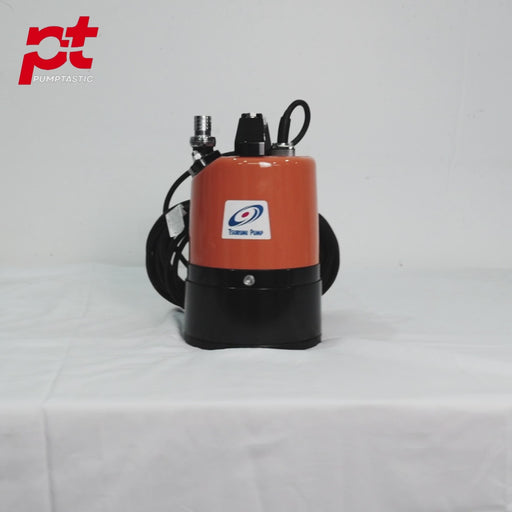
 Save 24%
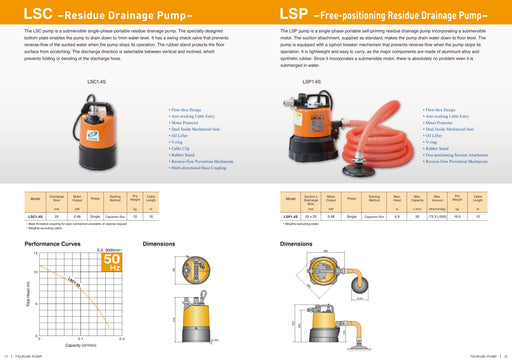
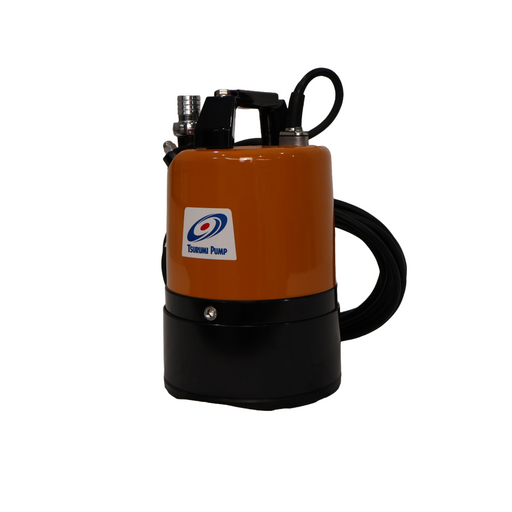
Tsurumi LSC1.4S Single Phase Submersible Puddle Sucker Drainage Pump with Swing Check Valve
Save 24%
Tsurumi LSC1.4S Single Phase Submersible Puddle Sucker Drainage Pump with Swing Check Valve
The LSC-series is a type of single-phase submersible portable residue drainage pumps. Due to its specially designed bottom plate, the pump is capab...
View full detailsThe LSP pump features a singular phase submersible motor which self-priming and is a residue drainage pump. The supplied suction attachment can dra...
View full details