3000+ Pumps & Parts
Pumps On Sale!
Fast Dispatch
Choosing the right bore pump shouldn’t feel like decoding a manual written in another language. Yet for many Australians especially those on rural properties, hobby farms, off-grid setups, or large garden blocks sizing a bore pump turns into guesswork. And guesswork is exactly how people burn out pumps, waste power, and ruin bores that took thousands to drill.
This guide cuts through the noise. No fluff. No generic advice written for another country’s conditions. Just practical insight for Australian bore owners who need a pump that performs reliably in tough, variable environments.
Whether you're using a submersible pump, a positive displacement pump, a progressive cavity pump, or a water transfer pump feeding a water tank and pump system, the size and type you choose will determine everything: flow, pressure, running cost, maintenance, and longevity.
Below is what most people get wrong and how to fix it.
Australian groundwater varies wildly. One region gives you clean, shallow flow. Another delivers mineral-heavy water at challenging depths. And the climate? Unforgiving.
A poorly selected bore pump creates predictable problems:
Inconsistent water pressure
Overheating and premature failure
Excessive power consumption
Sand ingress and damage to pump internals
Reduced lifetime of expensive bores
Most households assume any water pump will do the job especially when a cheap option looks tempting. That’s a fast track to repairs. Choosing correctly means knowing your bore, your demand, and the different types of pumps available.
You can't size a pump until you know three basics. If you ignore these, you're flying blind.
Not “roughly 40 metres.” You need an accurate figure. Depth determines:
Motor power
Pump stage count
Pressure capability
This is the water height when the bore isn't being pumped. It tells you how far the pump must lift water.
This is where the water drops to once the pump is running. Misjudge this and you’ll pick a pump with too little head, forcing it to run at its limits.
Your driller should have provided a bore report. If you lost it, get it re-measured and stop pretending you can skip this step. You can't.
Most Australians underestimate or overestimate their water demand. Both mistakes cost you money.
Household use: 20–60 L/min
Garden irrigation: 40–120 L/min
Stock watering: 30–150 L/min depending on herd size
Large properties: 60–200+ L/min
If you size based on peak flow rather than average flow, you’ll overspend on pump and power costs. If you size too small, you’ll get frustrating pressure drops.
Stick to what you actually need, not what feels “safe” or “future proof.”
This is where most people sabotage themselves. They choose based on price or whatever they used previously not what their bore actually requires.
Below are the pump types Australians commonly use, and the situations they suit.
The go-to for most bores. Installed deep underground, quiet, efficient, and reliable.
Best for:
Deep bores
Clean to mildly sandy water
Household supply
Irrigation setups
Water tank and pump systems
Submersible pumps from proven brands like Davey pumps or Tsurumi pumps (link included below) are built for Australian conditions and outperform cheaper imports by a mile.
A powerful positive displacement pump that excels in low-yield bores where a standard centrifugal design struggles.
Best for:
Low-flow bores
Sandy or abrasive water
When consistent pressure is required
Long distances or high head
If you’ve been burning out submersible pumps because your bore can’t deliver enough water, this is the point where you stop blaming the pump and switch to a progressive cavity pump.
A broader category that includes progressive cavity pumps. They move water with precision and maintain flow even when bore pressure fluctuates.
Best for:
Shallow or inconsistent bores
Trickling yields
Long-distance pumping
They aren’t the cheapest. But they’re workhorses in the right environment.
Not typically used inside the bore, but common for moving water from bore to tank, tank to garden, tank to shed, and so on.
Great for:
Property owners managing multiple tanks
Flood management
Rapid movement of large water volumes
Used where pumps aren’t self-priming. In Australia’s dusty, dry environments, losing prime is a common issue. This pump prevents airlocks from shutting your system down.
If your old pump constantly “ran dry” or needed manual repriming, the priming pump is the fail-safe you should have installed years ago.
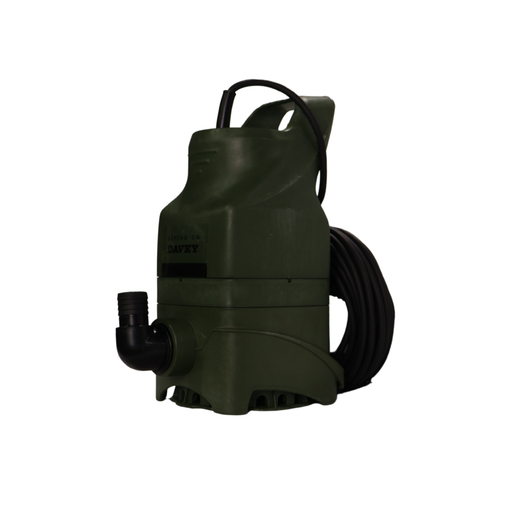
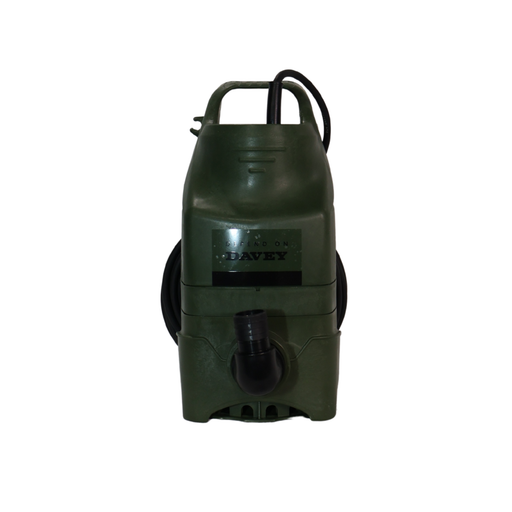
Not a bore pump, but relevant for Aussies managing groundwater issues around sheds, underhouses, or stormwater pits. People confuse these with bore pumps they’re not interchangeable.
Again, not for bores but commonly mistaken as a cheap solution. It’s not. A pond pump isn’t built for bore pressure or minerals. Don’t sabotage your system by trying to save money.
This is the actual load on your pump. Ignore it and your pump won’t perform the way you think.
TDH includes:
Lift from pumping water level
Distance travelled
Friction losses through pipe
Required outlet pressure
Every metre and every bend matters. Australians running long rural pipe runs often forget friction loss then wonder why their “strong pump” delivers a weak trickle at the tanks.
Australian bores can contain:
Iron
Manganese
Sand
Clay turbidity
Salt
Water quality determines:
Whether you need a submersible pump or progressive cavity pump
The materials your pump must be built from
Maintenance frequency
Expected lifespan
Cut corners here and you’re buying a pump every two years.
If you want reliability, stick with brands engineered for Australian conditions.
High-quality pump brands available through Pumptastic include:
Davey Pumps
Tsurumi pumps
Other proven submersible and positive displacement options
Cheap pumps fail early. When they fail inside a bore, extraction costs wipe out any “savings.”
If you want guidance or expert sizing help, you can reach out via Contact us don’t rely on improvisation for a system worth thousands.
It depends on water level and flow rate needed. A typical household might use a 0.75–1.5 kW submersible pump but low-yield bores may require a progressive cavity pump instead.
No. Bore conditions need a submersible pump or positive displacement pump designed for depth, pressure, and minerals. A standard water pump won’t survive.
Your bore may have a low yield. Switching to a positive displacement pump or progressive cavity pump or lowering the pump solves most air draw issues.
Likely causes:
Incorrect pump sizing
Worn impellers
Sand damage
Falling bore levels
Sizing properly from the start avoids this.
A quality submersible pump can last 8–15 years. A progressive cavity pump can last even longer with correct maintenance. Cheap pumps cut that lifespan in half or worse.
The Davey Dynapond 8000 is the mid-range powerhouse in Davey’s pond pump lineup, delivering stronger flow for larger ponds, waterfalls, koi systems...
View full detailsThis multi-purpose capacitor for a variety of AC applications. It incorporates a plastic housing. Suitable for pool pump, submersible pump, bore pu...
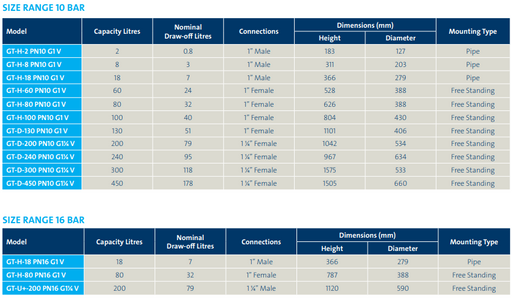
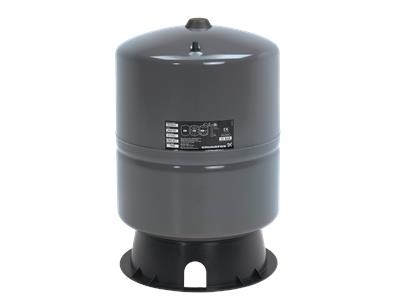
View full detailsThe Grundfos GT-H-60 PN10 G1 V is a steel pressure tank designed for drinking water applications, featuring a non-toxic butyl rubber diaphragm and...
View full details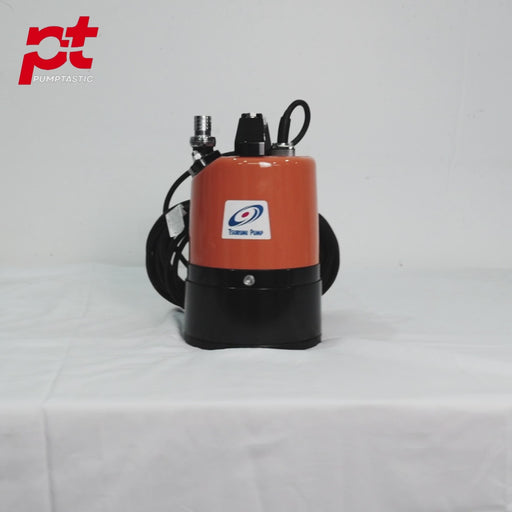
 Save 24%
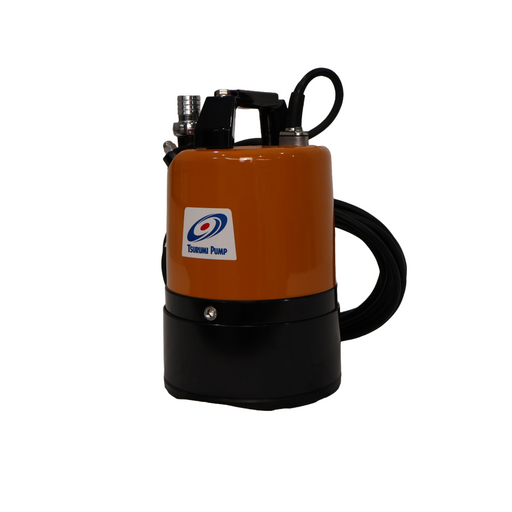
Tsurumi LSC1.4S Single Phase Submersible Puddle Sucker Drainage Pump with Swing Check Valve
Save 24%
Tsurumi LSC1.4S Single Phase Submersible Puddle Sucker Drainage Pump with Swing Check Valve
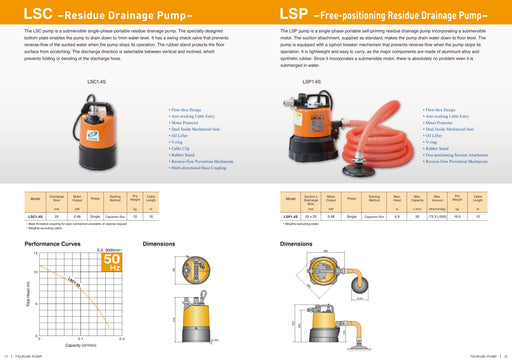
The LSC-series is a type of single-phase submersible portable residue drainage pumps. Due to its specially designed bottom plate, the pump is capab...
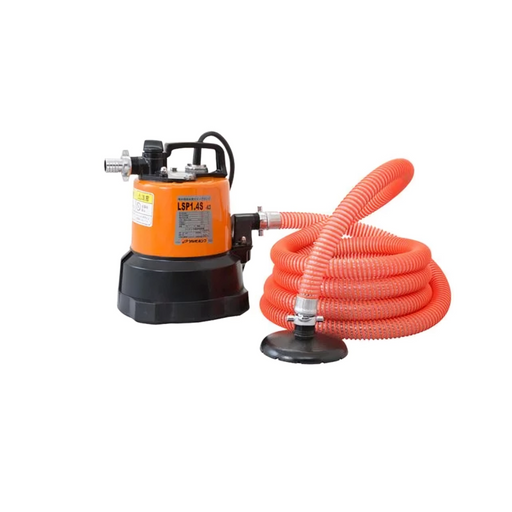
View full detailsThe LSP pump features a singular phase submersible motor which self-priming and is a residue drainage pump. The supplied suction attachment can dra...
View full details